
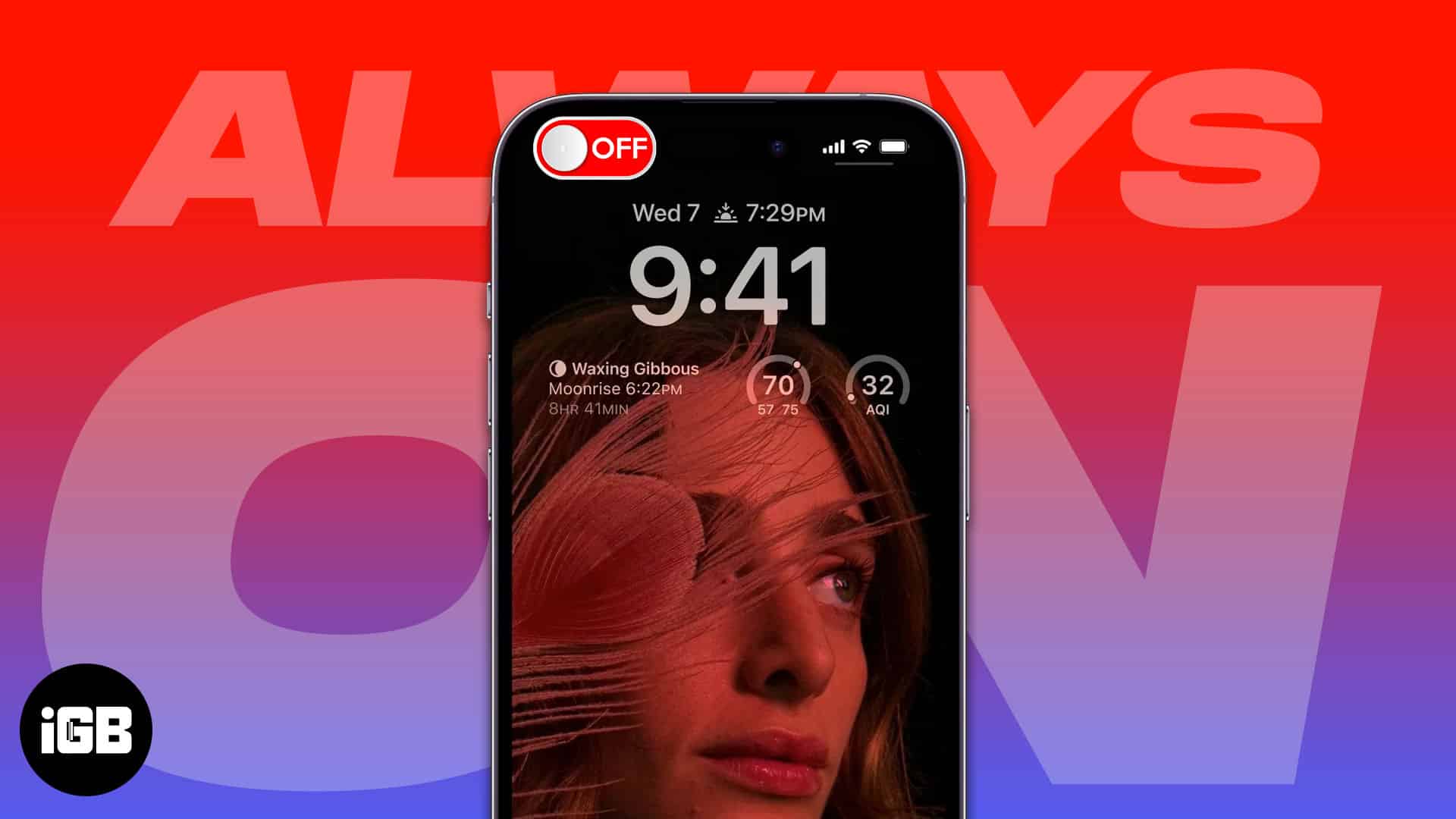
- Supported iPhone Models for Always-On Display: Always-On Display works only on iPhones with LTPO OLED, including iPhone 14 Pro through iPhone 16 Pro Max, excluding all non-Pro models.
- How to Enable or Disable AOD: You can switch Always-On Display on or off in Settings > Display & Brightness > Always On Display, where it’s enabled by default.
- Customizing AOD in iOS 26: iOS 26 adds controls to show or hide wallpaper, blur background photos, and disable notifications for a minimal Always-On Display.
- Automatic AOD Off Conditions: Always-On Display shuts off automatically when your iPhone is face down, in a pocket, on CarPlay, or running Low Power or Sleep Focus.
- Battery, Privacy, and Troubleshooting Tips for AOD: To reduce battery drain and protect privacy, hide wallpaper or notifications, and use Low Power Mode when needed.
Sometimes you just want to check the time, a delivery update, or see if you missed any messages or calls. Always-On Display (AOD) makes that easier by keeping your iPhone screen on even when it’s locked. You can glance at key info without picking it up.
In this guide, you’ll learn how to turn AOD on or off, which iPhone models support it, how to customize the display in iOS 26, plus useful battery and privacy tips.
Which iPhones Support Always-On Display?
Always-On Display is only supported on iPhones with LTPO OLED displays, currently limited to the Pro lineup. Here are the supported models:
- iPhone 14 Pro
- iPhone 14 Pro Max
- iPhone 15 Pro
- iPhone 15 Pro Max
- iPhone 16 Pro
- iPhone 16 Pro Max
To confirm your model: Go to Settings → General → About.
Note:
How to Enable or Disable Always-On Display on iPhone
On supported models, Always-On Display is enabled by default. You can toggle it off to save battery, or re-enable it anytime:
- Open Settings.
- Tap Display & Brightness.
- Tap Always On Display.
- Toggle Always On Display On or Off.
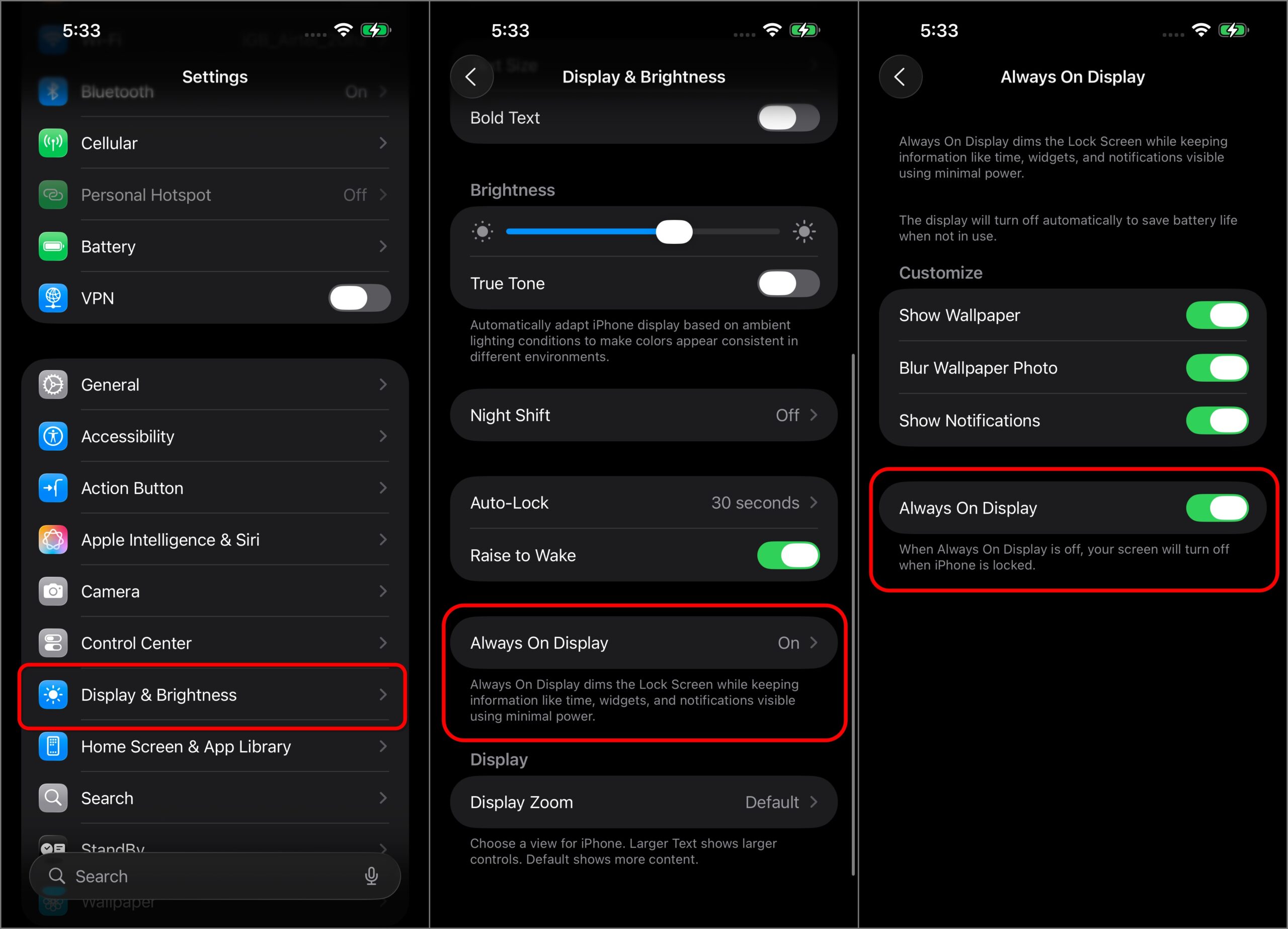
If you don’t see this toggle, your iPhone doesn’t support AOD.
Having issues? Here’s a quick fix guide: Always-On Display not working on iPhone.
How to Customize Always-On Display in iOS 26
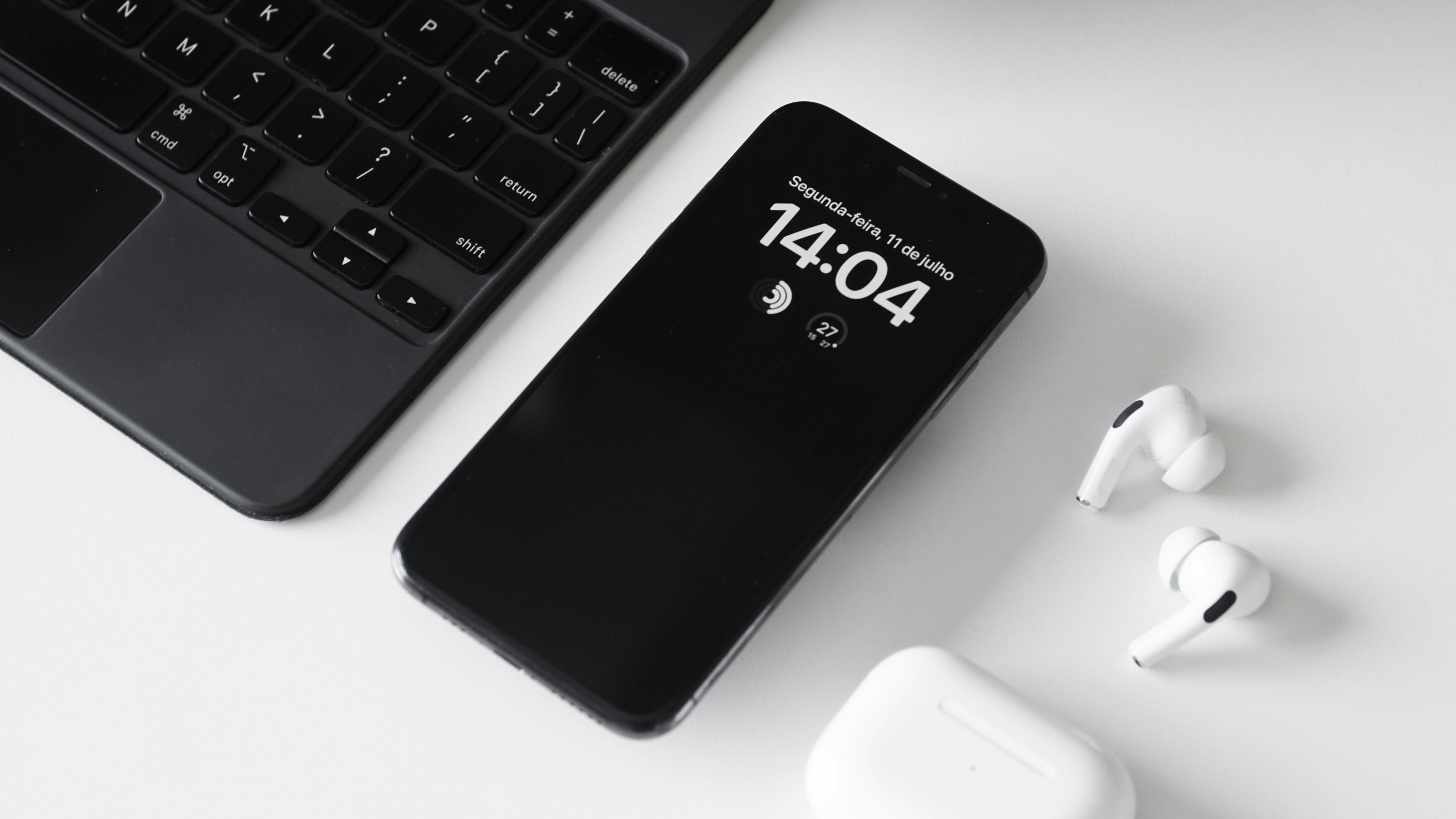
By default, the Always-On Display shows a dimmed version of your Lock Screen with:
- Time and date
- Notifications
- Lock screen widgets (weather, battery, reminders, etc.)
- Wallpaper (darkened to save power)
In iOS 26, Apple lets you customize AOD further:
- Show Wallpaper: Disable for a plain black background with clock and widgets.
- Blur Wallpaper Photo (iOS 26): Wallpapers are blurred by default when dimmed. Turn this off for the classic dim-only look.
- Show Notifications: Disable for a cleaner, more private screen.
Apart from these, time, date, Lock Screen widgets, and Live Activities will always appear on the Always-On Display and can’t be disabled for now.
When Does Always-On Display Turn Off Automatically?
To save power and protect privacy, iPhone intelligently disables AOD in these cases:
- Face down or in a pocket/bag: Screen turns off completely.
- Apple Watch detected away: iPhone knows you’re not nearby and disables AOD.
- Connected to CarPlay: Screen turns off, assuming you’re viewing info on the car’s display.
- Using Continuity Camera: AOD turns off automatically.
- Low Power Mode active: AOD is disabled to extend battery life.
- Sleep Focus or Bedtime: Screen shuts off for rest.
- Learned habits: iPhone may adapt to your routine and disable AOD when not needed.
If AOD isn’t working consistently, your iPhone may be reacting to one of these conditions.
Battery Drain, Power Saving, and Privacy Tips
Apple notes that AOD consumes power. In tests, idle battery life drops ~4× faster with AOD on versus off. Real-world impact varies based on brightness, wallpaper, and notifications.
Save battery:
- Turn Show Wallpaper off.
- Keep Blur Wallpaper on for better legibility.
- Limit Lock Screen notifications.
- Enable Low Power Mode on long days.
- Use Sleep Focus at night to turn AOD off.
Protect privacy:
- Turn Show Notifications off.
- Use blurred or plain backgrounds if wallpapers show personal details.
Tip: