
Buying an iPhone used to be fairly predictable: Apple launched the new models in September, older iPhones got cheaper, and Black Friday brought some of the best deals of the year. But after Apple’s September 2026 event, it is time to rethink that strategy.
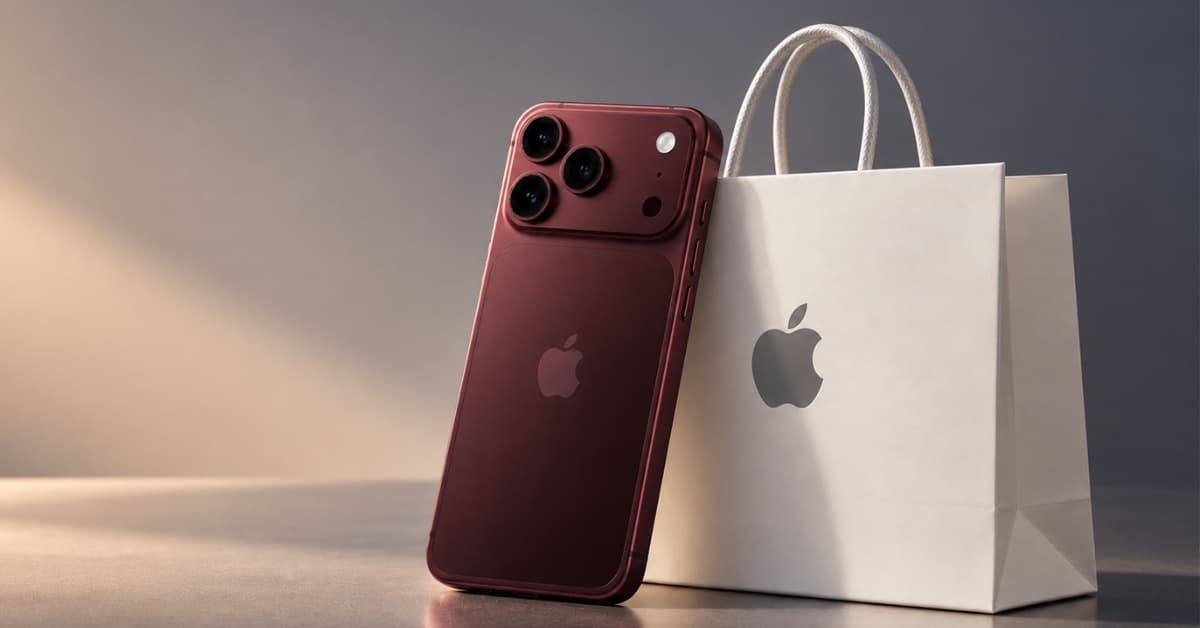
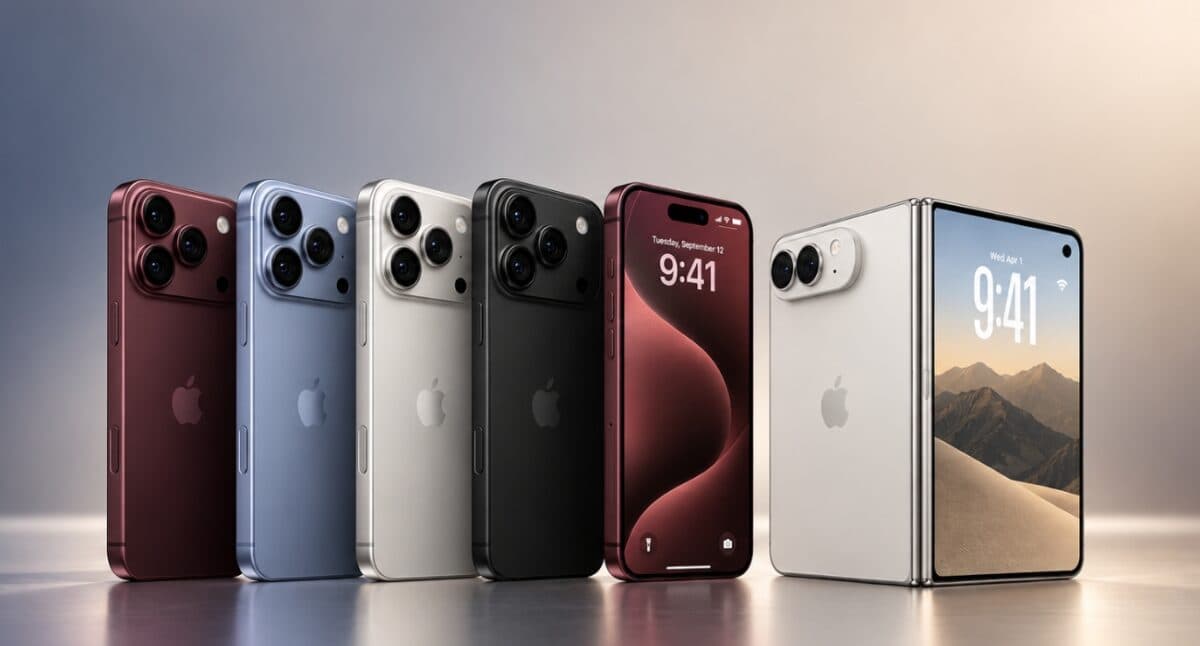
This year, Apple changed its iPhone release cycle. Instead of launching a standard iPhone 18, Apple introduced only the iPhone 18 Pro and iPhone 18 Pro Max at its September event, alongside its first foldable, the iPhone Duo. At the same time, Apple raised the starting price of every iPhone it continues to sell by $100.
That means the best time to buy an iPhone in 2026 depends more than ever on which model you want, whether you’re willing to buy an older generation, and how much storage you need.
In this guide, I’ll explain when I think you should buy an iPhone, when you should wait, and why Apple’s unusual 2026 pricing makes the usual “buy after the new iPhone launches” advice less straightforward.
Apple’s iPhone release schedule and price trends
For years, Apple’s iPhone release cycle followed a simple pattern: new flagship iPhones arrived in September, followed by pre-orders and sales shortly afterward. The launch of the next generation also meant older models usually became cheaper or disappeared from Apple’s lineup.
Apple has changed that pattern in 2026.
At its Surprise and Shine event, Apple introduced the iPhone 18 Pro and iPhone 18 Pro Max, but did not launch a standard iPhone 18. Apple also introduced the iPhone Duo, its first foldable iPhone. The iPhone 17 Pro and iPhone 17 Pro Max were discontinued after the new Pro models arrived.
The result is an unusually expensive iPhone lineup.
iPhone prices: 2026 vs. previous pricing
| iPhone configuration | 2026 price | Earlier price | Price increase |
|---|---|---|---|
| iPhone Duo (256GB) | $1,999 | — | New |
| iPhone 18 Pro (256GB) | $1,199 | $1,099 | +$100 |
| iPhone 18 Pro (512GB) | $1,399 | $1,299 | +$100 |
| iPhone 18 Pro (1TB) | $1,799 | $1,499 | +$300 |
| iPhone 18 Pro (2TB) | $2,399 | — | New |
| iPhone 18 Pro Max (256GB) | $1,299 | $1,199 | +$100 |
| iPhone 18 Pro Max (512GB) | $1,499 | $1,399 | +$100 |
| iPhone 18 Pro Max (1TB) | $1,899 | $1,599 | +$300 |
| iPhone 18 Pro Max (2TB) | $2,499 | $1,999 | +$500 |
| iPhone 17 (256GB) | $899 | $799 | +$100 |
| iPhone 17 (512GB) | $1,099 | $999 | +$100 |
| iPhone 17e (256GB) | $699 | $599 | +$100 |
| iPhone 17e (512GB) | $899 | $799 | +$100 |
| iPhone Air (256GB) | $1,099 | $999 | +$100 |
| iPhone Air (512GB) | $1,299 | $1,199 | +$100 |
| iPhone Air (1TB) | $1,699 | $1,399 | +$300 |
| iPhone 16 (128GB) | $799 | $699 | +$100 |
The important thing to notice is that Apple didn’t just make the new iPhones more expensive. It also raised the prices of existing models. The iPhone 17 went from $799 to $899, while the iPhone 17e went from $599 to $699. The iPhone Air and iPhone 16 also received $100 increases.
So, unlike previous years, I wouldn’t automatically assume that September is the best time to buy an older iPhone.
Apple’s 2026 iPhone price increases make storage more important
The biggest surprise isn’t just the $100 increase at the entry level. It’s how quickly the price climbs when you add storage.
The iPhone 18 Pro starts at $1,199 for 256GB, but the price rises to $1,399 for 512GB, $1,799 for 1TB, and $2,399 for 2TB.
The iPhone 18 Pro Max, iPhone Air, and the rest of the lineup follow the same pattern:
| Storage | iPhone 18 Pro | iPhone 18 Pro Max |
|---|---|---|
| 256GB | $1,199 | $1,299 |
| 512GB | $1,399 | $1,499 |
| 1TB | $1,799 | $1,899 |
| 2TB | $2,399 | $2,499 |
Apple’s 2TB option is particularly expensive. Moving from 1TB to 2TB costs an additional $600. Overall, going from the 256GB iPhone 18 Pro Max to the 2TB model adds $1,200 to the price.
That’s why I would think carefully about storage before buying this year’s iPhone. If you don’t actually need 2TB, spending hundreds of dollars on storage that you rarely use doesn’t make much sense.
Best times to buy an iPhone
The best time to buy now depends on whether you’re buying the newest iPhone, an older model, or a refurbished device.
Right after launch (September – October)
If you want Apple’s newest Pro iPhone, the period immediately after launch is one of the best times to buy because you’ll get the newest hardware without waiting for another generation. The iPhone Duo is particularly significant because it marks Apple’s move into the foldable iPhone category.
The iPhone 18 Pro and iPhone 18 Pro Max went up for pre-order on September 12, with availability beginning September 18, whereas iPhone Duo will be available from October 23.
However, I wouldn’t necessarily recommend buying immediately if your main goal is saving money. Apple’s new Pro models start at $1,199 and $1,299, respectively, while iPhone Duo starts at a whopping $1,999, and higher storage configurations can push the price even higher.
If I were buying one, I’d compare Apple’s trade-in value with carrier promotions before paying full price. Apple says eligible iPhone 13 or later trade-ins can receive up to $885 in credit, while select carrier offers can provide up to $1,200 in credits for eligible devices.
There’s another reason I wouldn’t rush to upgrade: Apple’s unusual 2026 release cycle means the standard iPhone 18 isn’t part of the September lineup. If you don’t need the latest Pro features or the foldable design of the iPhone Duo, waiting for the rest of Apple’s iPhone 18 lineup could give you more options.
My advice: Buy in September or October if you want the latest iPhone and can take advantage of a strong trade-in or carrier promotion. Otherwise, wait.
Black Friday & Cyber Monday (November)
Black Friday and Cyber Monday remain some of the best opportunities to save on an iPhone.
The important difference in 2026 is that I would focus less on expecting Apple itself to cut the price and more on looking at retailers like Amazon, carriers, trade-in bonuses, gift cards, and accessory bundle offers.
These deals can be especially attractive for the iPhone 17 and iPhone 17e because Apple has increased its official prices. A retailer discount can effectively cancel out some or all of Apple’s $100 price increase.
If you’re not interested in the newest iPhone 18 Pro, I’d make Black Friday one of my first shopping windows.
Holiday Sales (December – January)
December and January can also be good times to buy.
Retailers often use the holiday shopping period to discount existing inventory, while carriers may offer trade-in bonuses or promotional financing to attract last-minute shoppers and post-holiday buyers.
This is particularly worth watching for older iPhones. Since Apple’s official prices are now higher across its lineup, a retailer offering even a modest discount can make an older model a lot more appealing.
Wait for the next iPhone release cycle (February – March)
In a normal year, I would say September is the time to buy the previous generation because Apple launches the new model and reduces the price of the older one.
I wouldn’t follow that rule blindly in 2026.
Apple’s new release strategy means the standard iPhone 18 wasn’t part of the September launch. The company instead focused on the Pro lineup and iPhone Duo. The standard iPhone 18 is expected to follow a different release schedule, meaning buyers who don’t need a Pro model may benefit from waiting for the next stage of Apple’s 2026-27 iPhone cycle.
If you already own an iPhone 17 and aren’t impressed by the 18 Pro, I would personally wait rather than upgrade simply because a new iPhone generation has arrived.
Back-to-School promotions (July – August)
If you’re a student or buying an iPhone for a student, don’t miss the back-to-school sales. Apple and major retailers offer student discounts and education-focused deals during July and August, making it a great time to buy an iPhone or even an iPad or Mac.
These promotions often include trade-in bonuses, gift cards, or discounts on accessories, helping students and teachers save on their tech upgrades.
Best time to buy a certified refurbished iPhone in 2026
If you want an iPhone without paying Apple’s increasingly high prices, refurbished models from reputable sources deserve more attention in 2026.
The best times to shop for refurbished iPhones are still Black Friday, Cyber Monday, the holiday shopping season, and back-to-school sales.
But there’s another advantage this year: Apple’s higher prices make older-generation iPhones more valuable as refurbished purchases. For example, instead of paying $1,199 for the entry-level iPhone 18 Pro, you may find a previous-generation Pro model with similar performance for substantially less through a reputable refurbished seller.
A refurbished iPhone is a pre-owned device that has been inspected, tested, and repaired if necessary before being resold. The quality depends heavily on the seller, so I would prioritize Apple Certified Refurbished products or established retailers with clear warranty and return policies.
Pros and cons
- Lower price than buying a new iPhone
- Professionally tested and repaired
- Apple Certified Refurbished devices come with a one-year warranty
- Older Pro models can offer excellent performance for considerably less
- More environmentally friendly than buying a brand-new device
- Availability depends on inventory
- Some third-party refurbished phones may have cosmetic imperfections
- Battery condition varies by seller
- Older models won’t receive new hardware features
- You need to pay close attention to the warranty and return policy
How to ensure quality and warranty: Is a refurbished iPhone worth it?
Before buying a used or refurbished iPhone, I recommend checking the return policy, battery health, carrier compatibility, and whether the device is unlocked.
I would also stick to reputable sources.
- Apple’s Certified Refurbished Store: Apple’s refurbished devices are tested and come with a one-year warranty.
- Major carriers: Verizon, AT&T, T-Mobile, and other carriers sometimes sell refurbished iPhones with their own warranties and financing options.
- Trusted third-party retailers: Retailers such as Best Buy and Amazon Renewed can offer good deals, but always check the exact condition, warranty, return period, and battery policy before ordering.
When and how to find the best iPhone deals?
With Apple’s 2026 price increases, I would use a slightly different strategy when shopping for an iPhone.
- Don’t look only at the starting price: The cheapest configuration can look reasonable until you add the storage you actually need.
- Compare every storage tier: On the iPhone 18 Pro Max, going from 512GB to 1TB costs $400, while moving from 1TB to 2TB costs another $600.
- Check trade-in offers: A strong trade-in can make a $1,199 or $1,299 iPhone much more affordable.
- Compare carrier promotions: Carrier credits can sometimes save considerably more than a direct retailer discount.
- Don’t assume older means cheaper: Apple has increased the price of several existing iPhones by $100.
- Shop during Black Friday: Retailers are often more aggressive with discounts during major shopping events.
- Consider refurbished: A previous-generation Pro model can offer much better value if you don’t need the latest features.
- Avoid unnecessary storage: If 256GB is enough for your usage, there’s little reason to spend hundreds more on 1TB or 2TB.
Regional considerations
The best time to buy an iPhone varies depending on where you live.
In the U.S., major shopping periods such as Black Friday and Cyber Monday can bring substantial retailer and carrier promotions.
In India, Diwali remains one of the most important shopping periods for electronics. Amazon, Flipkart, Apple resellers, banks, and carriers can all offer different combinations of discounts, cashback, exchange bonuses, and promotional pricing.
But you should keep in mind that there are more factors than the headline price. Taxes, exchange rates, warranty coverage, eSIM requirements, and regional model differences can all affect whether importing an iPhone is actually worthwhile.
For example, the iPhone 18 Pro starts at ₹1,64,900 in India, while the iPhone 18 Pro Max starts at ₹1,79,900. The 2TB Pro Max reaches ₹3,29,900 in India.
If you’re buying internationally, I would also check whether the model supports the cellular bands used by your carrier and whether Apple’s warranty and service coverage apply in your country.
So, when is the best time to buy an iPhone in 2026?
If you want the iPhone 18 Pro or 18 Pro Max, I suggest buying around launch only if you can take advantage of a good trade-in or carrier promotion. There’s little reason to wait several months simply hoping Apple will lower the official price.
If you want the best value, I’d wait for Black Friday, Cyber Monday, holiday promotions, or a strong retailer/carrier deal on the iPhone 17 or another older model.
If you’re considering the iPhone 17 or 17e, be aware that Apple has unexpectedly increased its prices by $100. That makes retailer discounts particularly important. The iPhone 17 now starts at $899, while the 17e starts at $699.
And if you don’t need an iPhone immediately, waiting is arguably more attractive than usual this year. Apple’s split release cycle means the September 2026 launch isn’t the complete iPhone 18 generation, so the lineup could change again as Apple continues its new release schedule.
My bottom line
I wouldn’t treat September as an automatic “buy now” or “buy the old model” moment anymore.
- Buy at launch if you want the newest Pro model and have a strong trade-in or carrier offer.
- Wait for Black Friday if you’re primarily looking for a discount.
- Buy refurbished if value matters more than having the newest hardware.
- Wait for the next release window if you’re happy with your current iPhone and don’t need to upgrade immediately.
Most importantly, watch the total configuration price, not just the starting price. In 2026, Apple’s storage pricing can turn what looks like a $1,299 phone into a $2,499 purchase surprisingly quickly.
Signing off
I hope this guide helps you decide not only when to buy an iPhone, but whether you should buy one right now at all. If you’re considering a purchase in 2026, check out our guide on which iPhone to buy.
You might also like: