FaceTime Like a Pro
Get our exclusive Ultimate FaceTime Guide 📚 — absolutely FREE when you sign up for our newsletter below.

FaceTime Like a Pro
Get our exclusive Ultimate FaceTime Guide 📚 — absolutely FREE when you sign up for our newsletter below.


Seeing an “AirTag Found Moving With You” or “Unknown Accessory Detected Near You” alert can be unsettling. This guide explains what tracking notifications mean, why they exist, how they work, and the steps you should take if you receive one.


Seeing “AirTag Found Moving With You” or “Unknown Accessory Detected Near You” means your iPhone detected a tracker that may be traveling with you.
It could be harmless (borrowed keys, a bag, a shared item). It could also be unwanted tracking. This article tells you what the alert means, why Apple added it, how it triggers, and what to do next.
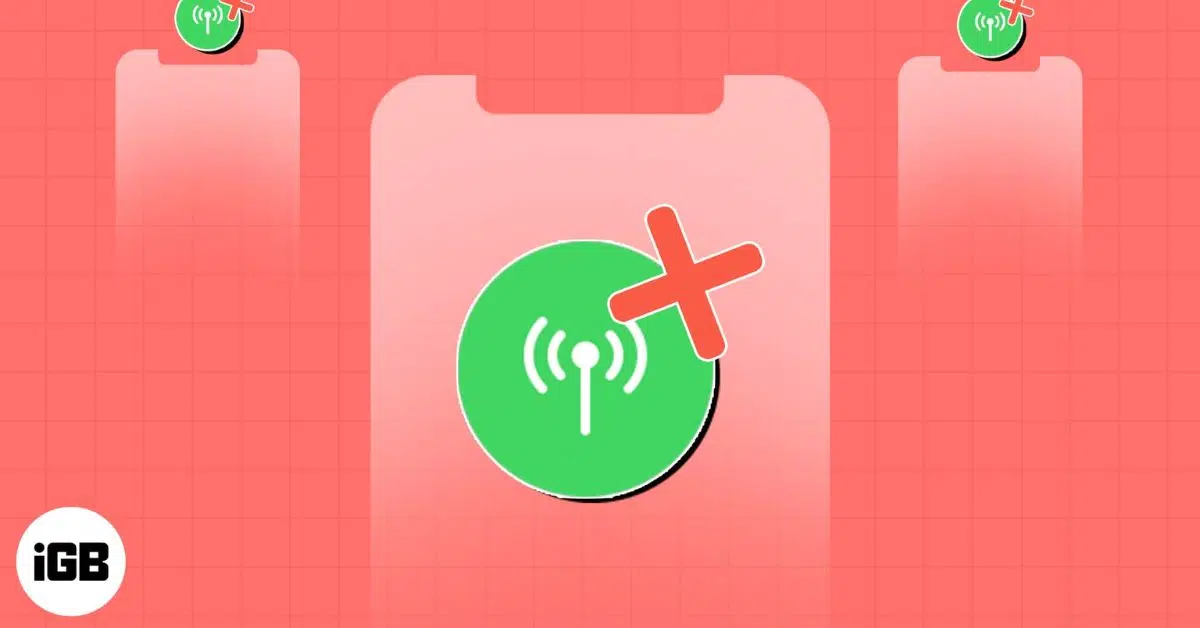
Tracking notifications are safety alerts built into Apple’s Find My network. Their purpose is to warn you if a tracking device that doesn’t belong to you appears to be moving with you.
Apple introduced this feature with iOS 14.5 in response to real privacy and safety concerns. Before tracking notifications existed, it was possible for someone to hide a small tracker in a bag, car, or pocket and follow another person’s movements without their knowledge. That kind of tracking is dangerous, invasive, and often completely invisible.
Now, instead of being tracked silently, your iPhone makes tracking visible with notifications.
Tracking notifications work by detecting unknown AirTags, AirPods, or other Find My-compatible devices that appear to be traveling with you over time. When your iPhone notices a pattern that suggests tracking, it sends you an alert. It is a clear signal that something may be wrong.
Your iPhone is constantly scanning nearby Bluetooth signals in the background. You don’t see it happening, and it doesn’t drain your battery in any noticeable way.
Here’s how the process usually works:
The system is designed to avoid false alarms. Devices owned by people in your Family Sharing group are ignored, and brief contact with a tracker won’t trigger an alert. The notification only appears when there’s a pattern that suggests tracking.
When a tracking notification appears, it looks like a normal iPhone alert. You might see messages such as:

You’ll see it on your lock screen and inside the Notification Center. Tapping the alert opens the Find My app, where Apple walks you through the next steps.
Getting one of these alerts can feel unsettling, but the most important thing is to stay calm. The notification doesn’t automatically mean someone is trying to harm you. It simply means something needs your attention.
Once you tap the alert, you’ll see tools that help you understand what’s happening.
Your iPhone will show where the device was first detected and the route it followed with you. You’ll have options to:

This is especially helpful if the device is hidden inside a bag, jacket, or vehicle.
You can scan the tracker by holding it near the top of your iPhone. This opens a page with details such as:
If it’s marked as lost, the owner may have left contact information so you can return it.
Sometimes the explanation is harmless. Maybe you borrowed a friend’s bag or keys and forgot they had an AirTag attached.
In this case, you can choose Pause Safety Alerts for a day or longer. This stops repeated notifications while keeping the feature available when you need it again.
If you don’t recognize the device and feel uncomfortable, your iPhone provides instructions to disable it. This usually involves removing the battery so it can no longer report location.
If you’re concerned about your safety, Apple strongly recommends contacting local law enforcement. They can work with Apple using the device’s serial number if needed.
Tracking notifications are turned on by default, but it’s worth checking your settings to make sure everything is working properly.
First, your iPhone needs a few basics enabled:
To check or enable tracking notifications:

You can also find this option in the Find My app by tapping Me and selecting Customize Tracking Notifications.
You can turn tracking notifications off, but Apple does not recommend it because it reduces your safety.
To turn them off:

This turns off the alerts, so your iPhone will stop warning you about unknown trackers that may be moving with you.
Most people are safer leaving tracking notifications enabled. They run quietly in the background and only appear when something unusual happens.
If you’re not receiving tracking notifications, make sure:
False alerts can happen, especially with shared or borrowed items. The system improves over time and learns from your interactions.
Apple also adds extra protection by making AirTags play sounds after being separated from their owner for several days. This makes them harder to hide and easier to discover.
Tracking notifications are one of those features you hope you never need, but are grateful to have when you do.
They work silently, respect your privacy, and step in only when something doesn’t feel right. In a small notification, Apple gives users awareness, choice, and control.
In a world where personal safety and digital privacy are closely connected, tracking notifications are not just a setting. They are peace of mind.
Keeping them enabled is one of the simplest and smartest ways to protect yourself without changing how you use your iPhone at all.
FAQs
Tracking Notifications warn you about physical trackers like AirTags that may be moving with you. App Tracking controls whether apps can track your activity across other apps and websites for advertising.
Most alerts are for AirTags and other Find My compatible items, including some accessories like AirPods, when they appear to be traveling with you while separated from their owner.
It is not instant. In many cases, you may get an alert after several hours, often around 8 to 24 hours of the device moving with you.
Also read: