
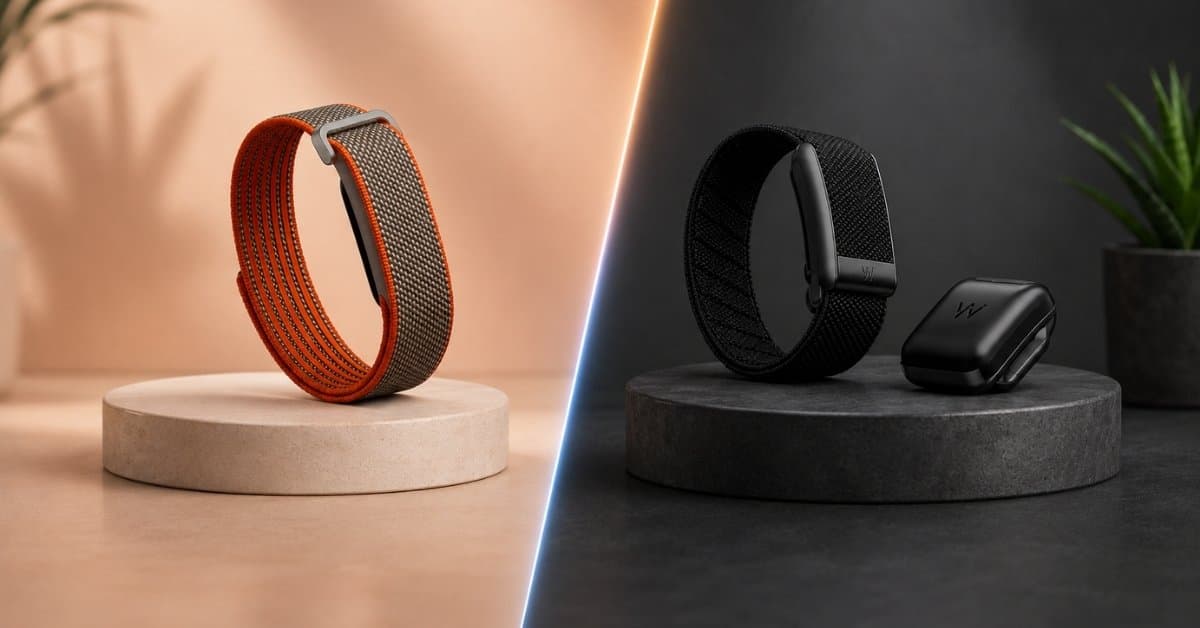
For years, Whoop had the screenless fitness tracker category almost entirely to itself. If you wanted a wearable focused purely on recovery, sleep, strain, and health optimization without distractions from notifications or apps, the Whoop 5.0 was the obvious choice.
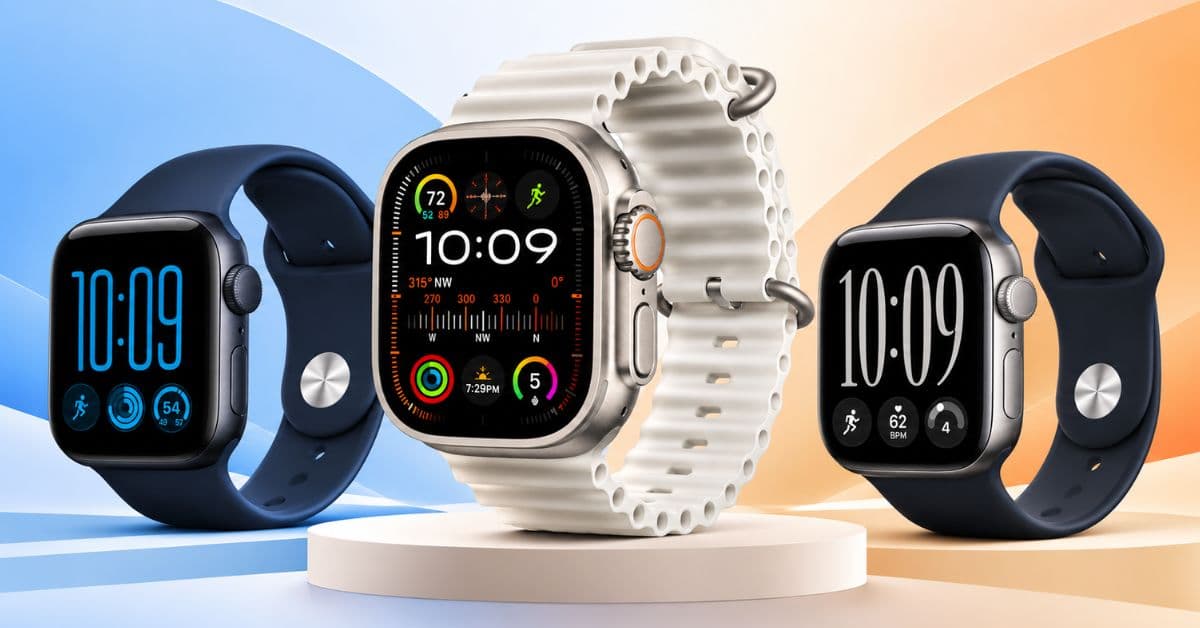
That’s also what separates it from traditional smartwatches. Devices like the Apple Watch try to balance fitness tracking with productivity, apps, notifications, and communication features, while Whoop focuses almost entirely on health data and recovery insights. If you want a deeper breakdown of that difference, our Apple Watch vs Whoop comparison explains it in detail.
Now, Google wants a piece of that market.
With the launch of the Fitbit Air, Google is introducing a much cheaper alternative that also ditches the display in favor of passive health tracking and AI-powered insights. Starting at just $99, the Fitbit Air instantly becomes one of the most interesting wearables Google has launched in years.
At first glance, both products seem surprisingly similar. Neither has a display. Both focus heavily on sleep, recovery, readiness, and passive health tracking. Both target users who want health insights without constant notifications buzzing on their wrist.
But once you look deeper, the differences become impossible to ignore. So which one actually deserves your money in 2026?
Even though the Fitbit Air has not officially launched yet, we already know enough about both ecosystems to understand which tracker makes more sense for different kinds of users.
Fitbit Air vs Whoop 5.0: Quick overview
| Feature | Fitbit Air | Whoop 5.0 |
|---|---|---|
| Price | $99 | Subscription-based (starts at $199) |
| Subscription Required | No | Yes |
| Screen | No | No |
| Battery Life | Up to 7 days | Up to 14 days |
| Charging | Fast charging | Wearable PowerPack |
| Health Tracking | Sleep, heart rate, SpO2, AFib alerts | Recovery, strain, sleep, stress, ECG on MG |
| AI Features | Gemini-powered Google Health Coach | Whoop Coach |
| Design | Slim, lightweight, multiple color options | Minimal, performance-focused |
| Wearability | Wrist-focused | Wrist, bicep band, Whoop Body apparel |
| Best For | Casual wellness tracking | Advanced recovery and performance tracking |
Design philosophy
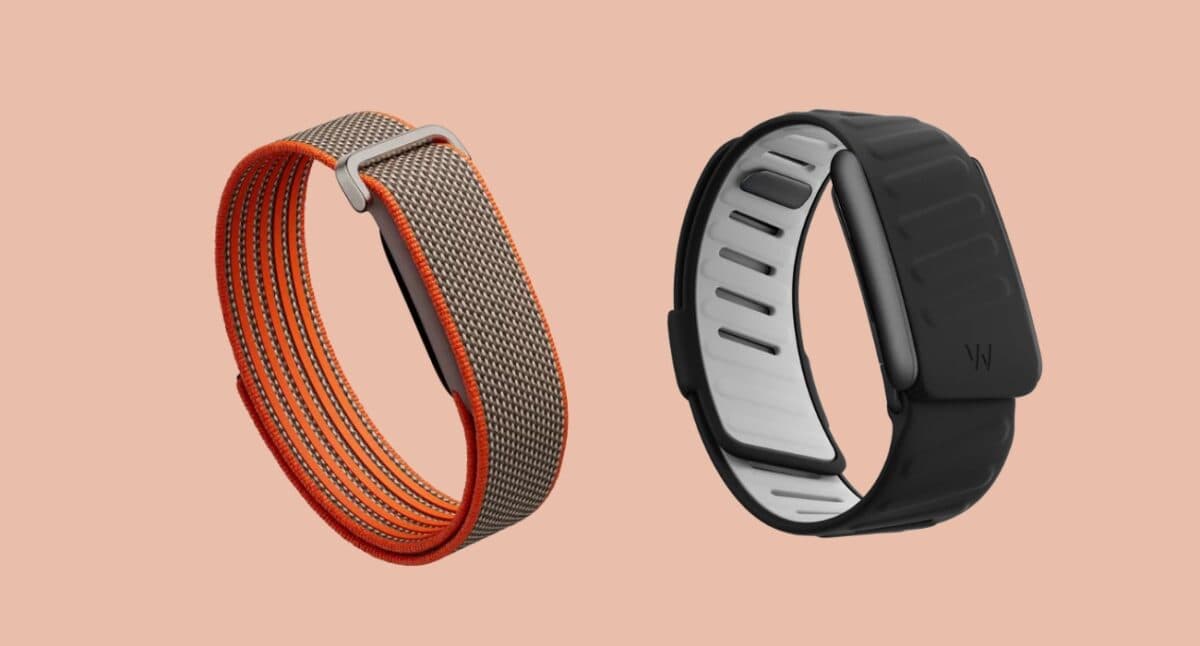
Even though the Fitbit Air and Whoop are both screenless wearables, their physical design approach feels quite different.
Google has clearly gone for a more mainstream and fashion-friendly look with the Fitbit Air. The tracker has a slim, pebble-like design that looks far less intimidating than most fitness-focused wearables, and the lightweight build should make it comfortable enough for all-day wear and sleep tracking. Google is also leaning heavily into customization with multiple band styles and color options, including special edition variants that make the Air feel more like a lifestyle accessory than a hardcore fitness device.
The Whoop 5.0 takes a much more utilitarian approach. Its fabric strap design and minimal aesthetic are clearly built around comfort and long-term wearability rather than style. Whoop also prioritizes modularity through its Whoop Body ecosystem, allowing users to move the sensor between wrist straps, bicep bands, and compatible clothing depending on the activity.
That difference in design philosophy reflects the audience both brands are targeting. Fitbit Air feels designed to blend into everyday lifestyle use, while Whoop still feels purpose-built for fitness enthusiasts and athletes who care more about functionality than visual flair.
Pricing and subscription model
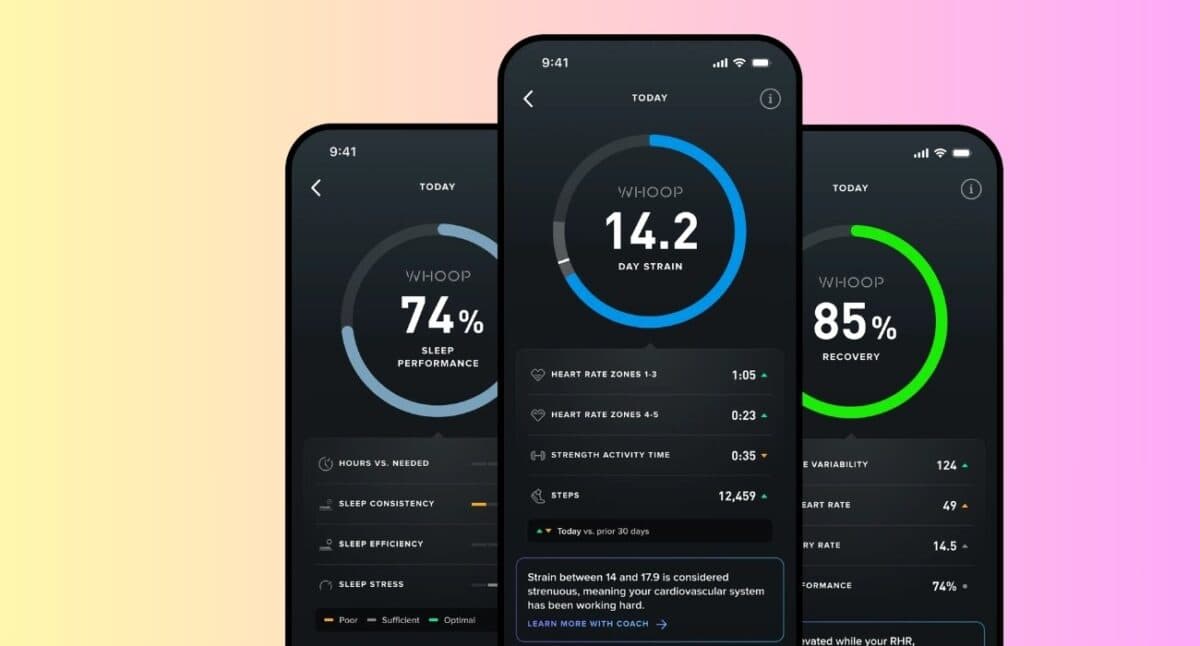
The pricing difference between these two devices is probably the single biggest reason the Fitbit Air is generating so much attention.
Google is taking the traditional wearable route here. You buy the Fitbit Air for $99.99, and the tracker continues working even if you never pay for a subscription. Core features like sleep tracking, heart rate monitoring, activity tracking, and wellness insights remain accessible without locking users into recurring payments.
There is still a subscription layer, of course. Google’s Fitbit Premium service unlocks the full Google Health Coach experience with deeper Gemini-powered analysis, workout recommendations, and more personalized insights for $10 per month. But the important thing is that the device does not become useless if you decide to skip the subscription.
That makes the Fitbit Air much easier to recommend to casual users who simply want reliable health tracking without another major recurring expense.
Whoop’s model is significantly more demanding.
With the Whoop 5.0, you are effectively subscribing to the platform itself rather than purchasing hardware outright. Plans start around $199 annually, while premium tiers like the Whoop MG cost substantially more. Once the membership expires, the device loses most of its functionality.
For people already deep into the Whoop ecosystem, the higher price is easier to justify because of how much data and analysis the platform offers. But for someone just looking for a simple screenless tracker, Fitbit Air feels like a much less intimidating place to start.
Related: AI-Powered Apple Health+ Service Could Launch in 2026
Battery life and charging
If there is one area where Whoop still feels comfortably ahead of most wearables, it is battery management. The Whoop 5.0 offers up to 14 days of battery life, which already puts it among the better-performing fitness wearables on the market, but the charging experience itself is what really separates it.
One of Whoop’s best features is its charging system. You can attach the wireless PowerPack directly to the band while still wearing the tracker, so you do not have to pause sleep or recovery tracking every time the battery runs low.
The Fitbit Air cannot quite match that level of endurance, though 7 days of battery life is still respectable for a lightweight wearable. Google is clearly trying to offset the shorter battery life with fast charging instead. According to the company, just five minutes plugged in can deliver enough power for an entire day of use.
That fast charging could be useful for people who usually remember to charge their wearables at the last minute. Still, Whoop’s overall battery experience feels more effortless because you rarely have to think about charging it in the first place.
AI and coaching experience
This is where the philosophical split between these two platforms becomes even clearer.
Google is leaning heavily into AI with the Fitbit Air, and the company clearly wants Gemini to feel like a health companion rather than just another analytics dashboard. Users can reportedly ask questions about poor sleep, recovery patterns, or workout performance and receive conversational explanations instead of having to interpret graphs and numbers on their own.
There is also a broader ecosystem advantage at play here. Because the Air sits inside Google’s hardware and software ecosystem, it naturally integrates with services many Android users already rely on daily. That makes the overall experience feel more lifestyle-oriented than fitness-obsessed.
Whoop, on the other hand, takes a far more performance-driven approach.
Over the past year, the platform has expanded well beyond basic recovery scores into much deeper physiological analysis. Features like Healthspan, Pace of Aging, stress tracking, strain management, and long-term recovery insights make the Whoop 5.0 feel less like a simple wearable and more like a continuous performance lab attached to your body.
Its partnership with the Buck Institute for Research on Aging adds even more credibility to those longevity-focused metrics.
Fitbit Air seems designed to help users build healthier habits and better understand their wellness patterns. Whoop, meanwhile, is still trying to help users optimize performance at a much deeper level.
Health and medical features

Both devices offer strong health tracking features, but Whoop still pushes further into advanced health monitoring.
The Fitbit Air includes many of the sensors users already expect from modern Fitbit wearables, including heart rate tracking, blood oxygen monitoring, skin temperature sensing, sleep analysis, and irregular heart rhythm notifications for AFib detection. For most users, that already covers the essentials. What it lacks is dedicated ECG functionality.
That gives the Whoop MG a meaningful advantage for users who want more serious cardiovascular monitoring. The premium model includes conductive elements built into the clasp itself, allowing users to take on-demand ECG readings and monitor heart rhythm data more actively.
Whoop is also expanding beyond standard fitness tracking with features like blood pressure insights and support for third-party lab data. It is starting to feel less like a regular wearable and more like a platform built for people who want a closer look at their overall health and recovery trends.
For most users, the Fitbit Air will likely cover everything they actually need day to day. But users who already pay close attention to recovery data and long-term health metrics will probably still find more value in the Whoop 5.0 ecosystem.
Wearability and comfort

Comfort is one of the biggest reasons people gravitate toward screenless wearables in the first place, and both companies are approaching it differently.
Google is emphasizing how lightweight the Fitbit Air is compared to older Fitbit models, which should make it more comfortable for all-day wear and overnight sleep tracking. The design appears intentionally minimal, almost to the point where users can forget it is there.
Whoop’s advantage comes from flexibility rather than minimalism.
Through the Whoop Body ecosystem, users can move the sensor beyond the wrist and place it inside compatible apparel like sports bras, compression tops, underwear, or bicep bands. That versatility makes a huge difference for athletes who dislike wrist wearables during workouts or contact sports.
Google is also adding a multi-device mode where users can wear a Pixel Watch 4 throughout the day and switch to the Fitbit Air before sleeping without splitting their health data between devices. It is a small feature, but one that makes a lot of sense for people who do not want to sleep wearing a full smartwatch every night.
Who should buy the Fitbit Air?
The Fitbit Air makes the most sense for:
- Casual fitness users
- People upgrading from basic fitness bands
- Users who dislike subscriptions
- Android and Google ecosystem users
- People want lightweight sleep tracking
- Users who prefer simpler wellness insights over raw data
Its biggest strength is accessibility. At $99, it lowers the barrier to entry into advanced health tracking dramatically.
Who should buy Whoop 5.0?
The Whoop 5.0 is still the stronger option for:
- Athletes
- Serious gym-goers
- Endurance trainers
- Recovery-focused users
- Biohackers
- Users interested in physiological optimization
- People who value continuous health analytics
Whoop’s ecosystem remains unmatched in depth. The subscription price is steep, but the platform delivers genuinely advanced insights that many competitors still cannot replicate.
Final verdict
The Fitbit Air feels like the kind of wearable most people can buy without overthinking it. It is lighter on the wallet, easier to understand, and fits naturally into the broader Google ecosystem.
The Whoop 5.0 still makes more sense for people who take fitness and recovery seriously enough to actually study the data every day.
Both trackers do the same basic thing in very different ways, which is what makes this comparison interesting in the first place.
Would you pick the Google Fitbit Air over the Whoop 5.0? Let us know in the comments.
You might also like: