

XR headsets have struggled to move beyond niche tech products. Many devices looked futuristic during demos, but high prices, bulky designs, and limited real-world usefulness kept them from becoming mainstream.
Now, Google is trying again with Android XR, a new platform designed for smart glasses, mixed reality headsets, and AI-powered wearable devices. This time, the company believes Gemini AI could finally make XR products practical instead of experimental.
Here’s everything you need to know about Android XR, how it works, and why it matters.
What is Android XR?
Showcased at Google I/O 2026, Android XR is Google’s new operating system for smart glasses, mixed reality headsets, and other immersive wearable devices. XR stands for “Extended Reality,” a category that includes augmented reality, virtual reality, and mixed reality experiences.
Simply put, Android XR is Google’s attempt to create an Android ecosystem beyond smartphones. The platform is meant to power everything from immersive headsets to lightweight smart glasses while keeping Android apps and Google services at the center of the experience.
Instead of building separate software for every device category, Android XR is designed to become a unified foundation for future wearable computing products.
Why Google is betting big on XR again
Google has explored wearable technology before. Products like Google Glass created enormous hype but never truly became mainstream, while earlier VR efforts struggled to attract long-term consumer interest.
The company now believes AI changes the equation completely. Previous smart glasses mostly acted like secondary phone screens. Android XR is being built around Gemini Intelligence, allowing devices to understand voice, surroundings, visual information, and context in real time. That changes how interaction works because users rely less on traditional app navigation.
Google seems to view XR as the next major computing shift after smartphones, and AI is what could finally make that transition believable.
Android XR could make smart glasses actually useful
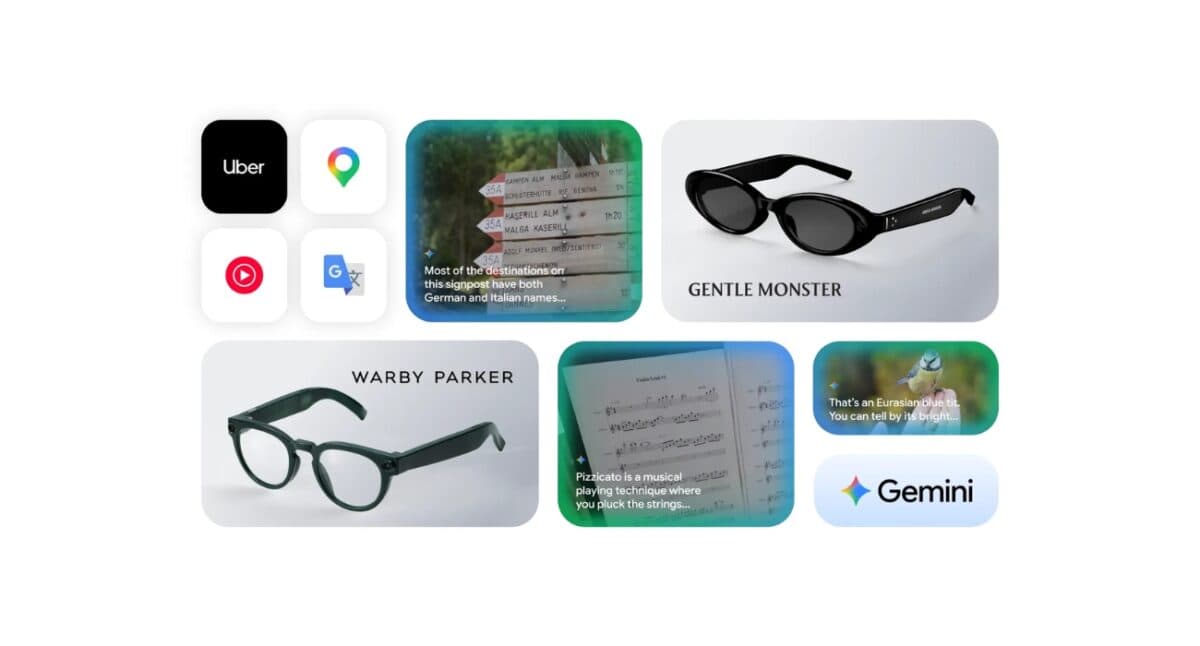
One of the biggest problems with older smart glasses was that they rarely solved real problems better than a phone. Android XR could change that.
Google demonstrated concepts where lightweight glasses can:
- Translate conversations live
- Show navigation directions in front of your eyes
- Identify landmarks and objects
- Answer contextual questions
- Display notifications naturally
- Provide AI-powered assistance throughout the day
Instead of feeling like mini smartphones on your face, Android XR devices are supposed to work more like intelligent assistants that blend into daily life.
This makes more sense for wearable devices because information appears only when it is relevant to the situation around the user. It feels less like using another screen and more like getting help exactly when needed.
How Gemini AI changes the XR experience
Google is building Android XR around Gemini AI with the idea that users should not have to constantly jump between apps, menus, and voice commands while using smart glasses or headsets.
The platform is designed to let Gemini Omni process visual information, conversations, screens, and surroundings continuously through cameras and sensors built into XR devices. That allows the system to respond based on what the user is actively looking at or doing in the moment.
For example, Gemini could:
- Summarize documents you’re viewing
- Explain the objects around you
- Translate signs instantly
- Help during presentations or meetings
- Assist while traveling
- Organize information visually in virtual spaces
Google clearly wants AI to become the main interface instead of apps and menus. That creates a noticeably different experience compared to traditional voice assistants, which mainly respond to isolated prompts and commands.
With Android XR, Google wants Gemini to function more like a persistent layer operating across the entire interface rather than an assistant users interact with occasionally.
Android XR vs Apple visionOS
| Android XR | visionOS |
|---|---|
| Developed by Google | Developed by Apple |
| Built for smart glasses and mixed reality headsets | Currently focused on mixed reality headsets like Apple Vision Pro |
| Gemini AI is deeply integrated into the experience | Focuses heavily on spatial computing and immersive interfaces |
| Open ecosystem with multiple hardware partners like Samsung | Apple controls both hardware and software |
| Expected to support a wider variety of XR devices over time | Primarily optimized for Apple’s own XR hardware |
| Designed around Android app compatibility | Uses apps built for visionOS along with compatible iPad and iPhone apps |
| Google is positioning it as an AI-first wearable platform | Apple positions visionOS as a premium spatial computing platform |
| Lightweight smart glasses appear to be a major long-term focus | Current focus remains on high-end immersive headsets |
When will Android XR launch?
Android XR is expected to arrive later this year alongside the first wave of compatible hardware.
Samsung is reportedly preparing to launch its Android XR-powered smart glasses in July, which could become the first major consumer device running the platform. Meanwhile, Google is also expected to introduce its own smart glasses sometime this fall.
Google has already previewed Android XR publicly and demonstrated several Gemini-powered experiences, but the company is still in the early stages of turning those concepts into commercial products.
The upcoming launches from Samsung and Google will likely determine how ready Android XR truly is for mainstream users. They should also give us a clearer picture of Google’s long-term strategy for AI-powered wearables and spatial computing devices.
Google’s XR vision…
Android XR represents a much bigger shift for Google than simply launching another VR or smart glasses platform. It is Google’s attempt to build an AI-first operating system for the next wave of wearable and spatial devices.
The platform still has plenty to prove once actual products arrive later this year. Until people start using Android XR devices outside controlled demos, it will remain difficult to judge how useful the experience truly feels in everyday situations.
Even so, Android XR offers the clearest look yet at how Google sees AI-powered computing evolving beyond smartphones.