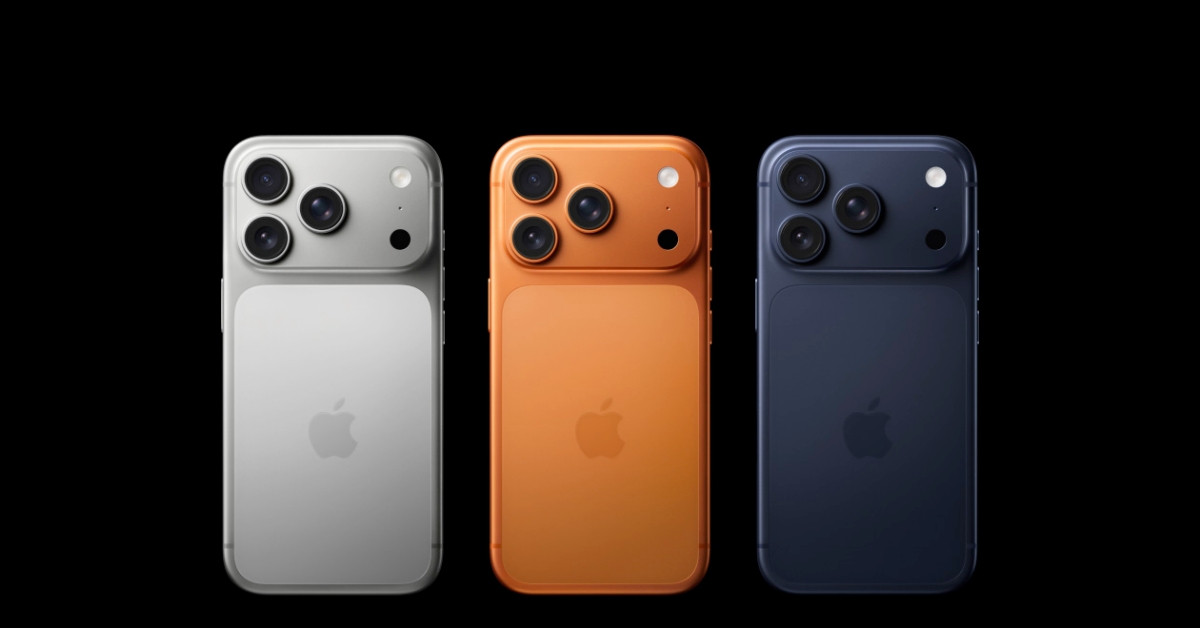

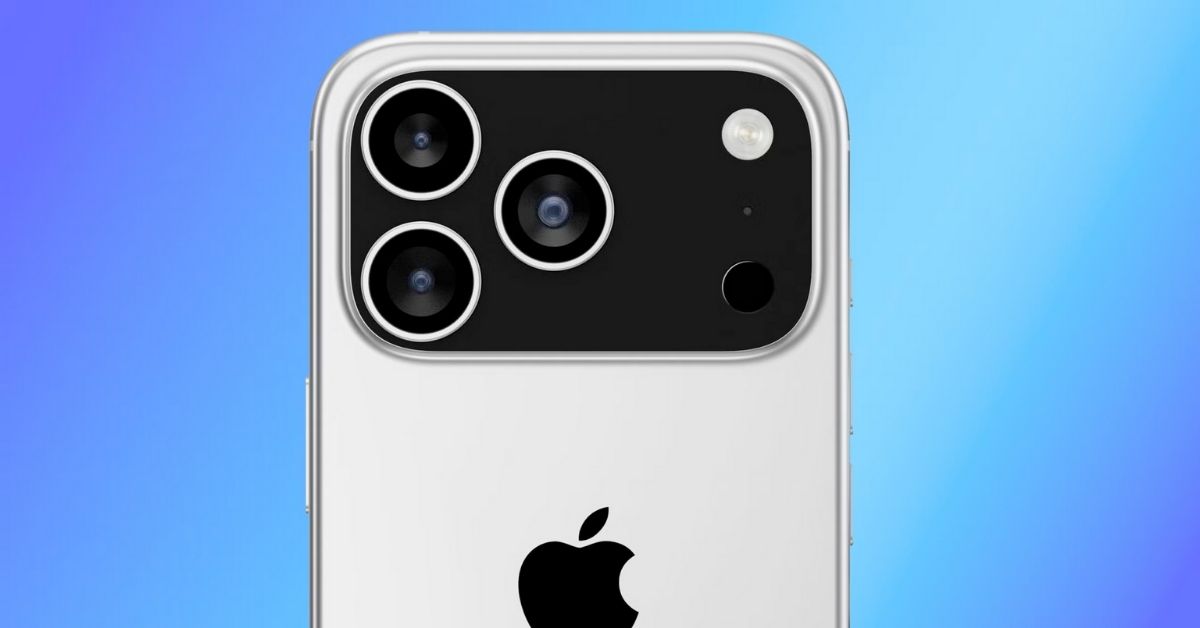
Apple may be gearing up for one of its most expensive iPhone releases. According to a fresh report from the supply chain, the steep price tag isn’t due to flashy new cameras or a dramatic redesign, but instead stems from an upgrade to cutting-edge silicon technology.
Apple’s 2nm Transition Comes at a Premium
As reported by Money.udn, a Taiwanese outlet, Apple is said to be adopting TSMC’s next-gen 2nm process for its A20 series chipsets. This move is part of the ongoing collaboration between TSMC and Apple to manufacture iPhone processors. While switching to 2nm promises significant performance bumps, it also comes with a hefty price increase. The cost of producing a 12-inch wafer on TSMC’s 2nm technology is nearly $30,000, a stark contrast to the $20,000 price tag on the 3nm wafers, illustrating the sheer financial leap involved.
A20 Chip Costs Could Reshape iPhone Pricing
These pricier wafers are expected to make the chips more costly. Current projections suggest that Apple’s A20 and A20 Pro chips could run nearly $280 each, a sharp increase over the A19 Pro. This marks a staggering 87 percent rise, unprecedented in Apple’s custom chip development journey. The A20 Pro is poised to power the iPhone 18 Pro, iPhone 18 Pro Max, and the reportedly forthcoming foldable iPhone, all anticipated to debut together. Meanwhile, to manage expenses, Apple is likely to use a scaled-back version of the A20 in the standard iPhone 18 and iPhone 18e.
Design Changes May Accompany the Silicon Leap
Rumor has it that Apple isn’t stopping with just internal changes. The iPhone 18 Pro models could feature a new front design by eliminating the Dynamic Island. Initial reports suggest Apple is experimenting with a punch-hole selfie camera and under-display Face ID, suggesting one of the sleekest front panels in recent memory. Color choices may also see a shift, with speculation pointing to single-tone finishes rather than the previous two-tone Pro designs. On the photography front, camera enhancements seem likely, with talk of a variable-aperture main lens offering more creative options for portrait and low-light shots.
If these reports bear out, Apple is left with a difficult decision: to either absorb the additional silicon costs itself or pass them onto customers. Given the iPhone 18 Pro’s premium positioning, an increase may be hard to avoid.
Do you think the anticipated price hike for the iPhone 18 Pro is justified by its performance and design alterations, or is Apple pushing customer limits too far? Share your thoughts in the comments.