
- Apple’s C1 Modem Inherits Mixed Performance Results: The C1 modem in the iPhone 16e shows reliable upload speeds but can be slower for downloads on advanced 5G networks, especially those using extensive carrier aggregation.
- Carrier Aggregation as a Key Factor: The main technical difference affecting performance is carrier aggregation, with Qualcomm supporting up to 6CA and the C1 supporting only 3CA, impacting download speeds on networks that utilize higher CA levels.
- Performance Variance Across Markets: In markets with aggressive 5G CA use, Qualcomm-modem iPhones outperform C1 iPhones in download speeds, but in regions with less CA, the C1 can sometimes match or even exceed Qualcomm’s performance.
- Impact of 5G Network Features on Speed: Networks actively using higher CA levels and 5G Standalone (SA) features tend to give a download speed advantage to Qualcomm-based iPhones over those with C1 modems.
- Implications for iPhone 17 Air Buyers: If your carrier relies heavily on advanced 5G features, the Qualcomm-equipped iPhone 16 will likely download faster; meanwhile, the C1 offers better coverage reliability and uploads, especially at network edges.
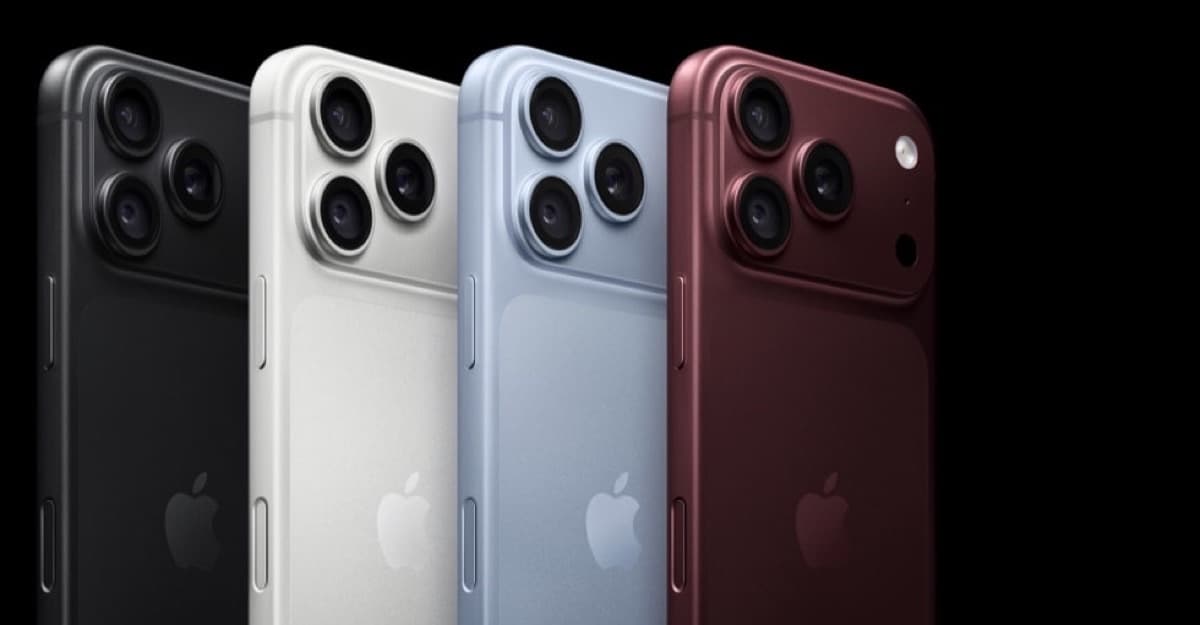
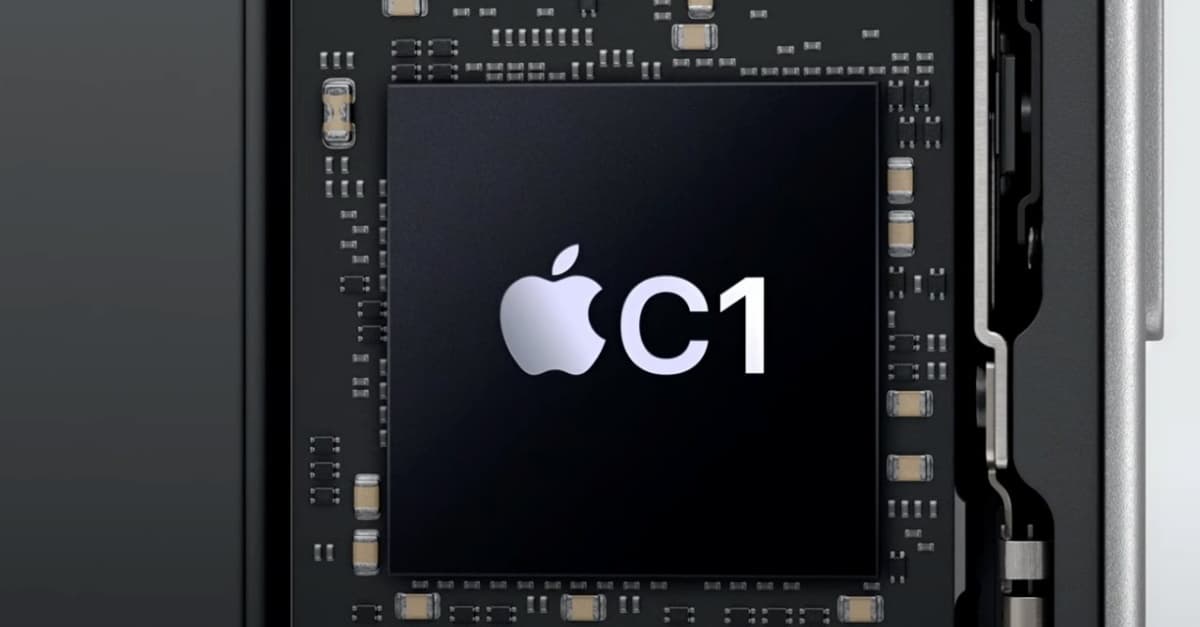
Apple’s first in-house cellular modem, the C1, is already shipping in the iPhone 16e. Apple is widely expected to reuse it in the iPhone 17 Air. And as highlighted in Ookla’s latest Speedtest Intelligence report, the results are mixed: the C1 looks reliable and strong on uploads, but it can be slower for downloads on carriers that run the newest 5G features at scale. Here’s the simple version of what’s going on and why it matters if you’re eyeing the 17 Air.
What’s Driving The Gap
The key technical difference is carrier aggregation (CA); your phone can combine multiple 5G channels to go faster.
- Qualcomm modem in the iPhone 16 supports 4‑carrier aggregation on the downlink, with newer versions going up to 6CA, and it also supports uplink CA and UL MIMO.
- Apple’s C1 modem in the iPhone 16e (expected in the 17 Air) supports only 3‑carrier aggregation on the downlink and does not support uplink CA or MIMO.
On networks that aggressively use higher‑level CA, especially 5G Standalone (SA) with advanced features, the Qualcomm modem simply has more lanes to join, so it pulls ahead on peak download speeds. Where networks are less CA‑heavy, the gap shrinks, and in some places the C1 even nudges ahead.
The Numbers That Matter
- United States (T‑Mobile): iPhone 16 with Qualcomm modem hit 317.64 Mbps median download, compared to 252.80 Mbps for the iPhone 16e with C1. Ookla notes T‑Mobile used 4‑carrier aggregation in more than 65% of locations tested in early 2025, which gave the iPhone 16 an advantage.
- Advanced 5G markets: Saudi Arabia and China show the biggest download gap in favor of the iPhone 16. In France, the iPhone 16 often wins at the top end (90th percentile) on SA‑heavy networks like Free, Orange, and SFR.
- Parity or C1 wins: In Spain the 16e came out ahead on median download speeds, and in Japan it beat the iPhone 16 on 3 out of 4 operators.
- India: Jio’s 5G SA network with massive MIMO and carrier aggregation, along with Airtel, highlights a download lead for the iPhone 16, while Vi shows results closer to parity.
- Edge and uploads: Across 15 of 21 markets, Ookla found the C1 performs better at the 10th percentile (users at the edge of coverage) and delivers stronger median upload speeds. For example, in Canada, the iPhone 16e averaged 23.91 Mbps vs 11.57 Mbps for the iPhone 16.
What This Means If You’re Buying The 17 Air
- If your carrier leans hard on 5G SA and higher-order CA (think T-Mobile US, stc/Zain Saudi, parts of China, Free/Orange/SFR France), expect the Qualcomm-equipped iPhone 16 to download faster than a C1‑equipped model.
- If your market prioritizes coverage over headline speed (large low‑band footprints, limited CA), the C1’s reliability shines, often giving better performance at the low end and stronger uploads.
- As carriers roll out 5G Advanced and wider CA combos over time, expect the gap in peak downloads to widen in favor of Qualcomm‑class modems, unless Apple upgrades C1’s feature set.
Bottom Line
The C1 modem appears tuned for consistency: better results for users at the edge of coverage and solid uploads. However, on carriers pushing cutting-edge standalone 5G and multi-carrier aggregation, it won’t match Qualcomm’s frontier download speeds today. If the iPhone Air ships with C1, the experience you get will depend heavily on your carrier’s network features.