
India Now Allows Users to Delete State Security App, Apple Holds Firm
India eases its Sanchar Saathi app rule, but Apple holds firm against mandatory government software on iPhones.
India has updated its directive that required all smartphones to include a government app called Sanchar Saathi. The original rule said the app must be installed on every device and could not be removed. After public criticism, the government now says users may delete the app.
Even with this change, phone makers must still pre-install the app on new devices or push it through a software update.
Understanding the Sanchar Saathi App
Sanchar Saathi is presented as a security tool. It lets users report stolen or lost phones, block their IMEI number with carriers, and report spam or scam calls. The government says it is its duty to distribute the app widely, but users now keep the choice to remove it.
Apple Stands Its Ground Against Compliance
Reuters reported that Apple will not comply with the mandate. Apple’s position is firm. It does not pre-install government-mandated apps in any country and sees the requirement as a privacy and security risk.
Two industry sources told Reuters that Apple plans to directly inform the government. Even though users can now delete the app, Apple’s main issue remains. The company is against any forced installation of government software on iPhones.
Modified Rule Leaves Core Concerns Unaddressed
Removing the “undeletable” rule does not fix Apple’s larger concerns. iOS does not allow outside parties to auto-install apps. Allowing this once could set a precedent Apple wants to avoid.
Because of this, the updated rule is unlikely to change Apple’s stance. The situation continues at a time when India is becoming a major region for Apple’s growth and manufacturing.
Ongoing Friction Between Apple and India
This dispute follows another conflict involving a potential 38 billion dollar antitrust fine against Apple in India. Both sides rely on each other. India is important for Apple’s production and sales plans, while Apple brings high-value manufacturing to India. These issues raise questions about how much pressure either side is willing to apply.
Silence from Google on the Issue
Google has not responded to requests for comment. Since Android is more flexible, Google’s response could influence how the rest of the smartphone market reacts.
For now, both the government and Apple appear firm, and the policy may need further changes before the standoff shifts.

Written by
Ravi Teja KNTSI’ve been writing about tech for over 5 years, with 1000+ articles published so far. From iPhones and MacBooks to Android phones and AI tools, I’ve always enjoyed turning complicated features into simple, jargon-free guides. Recently, I switched sides and joined the Apple camp. Whether you want to try out new features, catch up on the latest news, or tweak your Apple devices, I’m here to help you get the most out of your tech.
View all posts →More from News
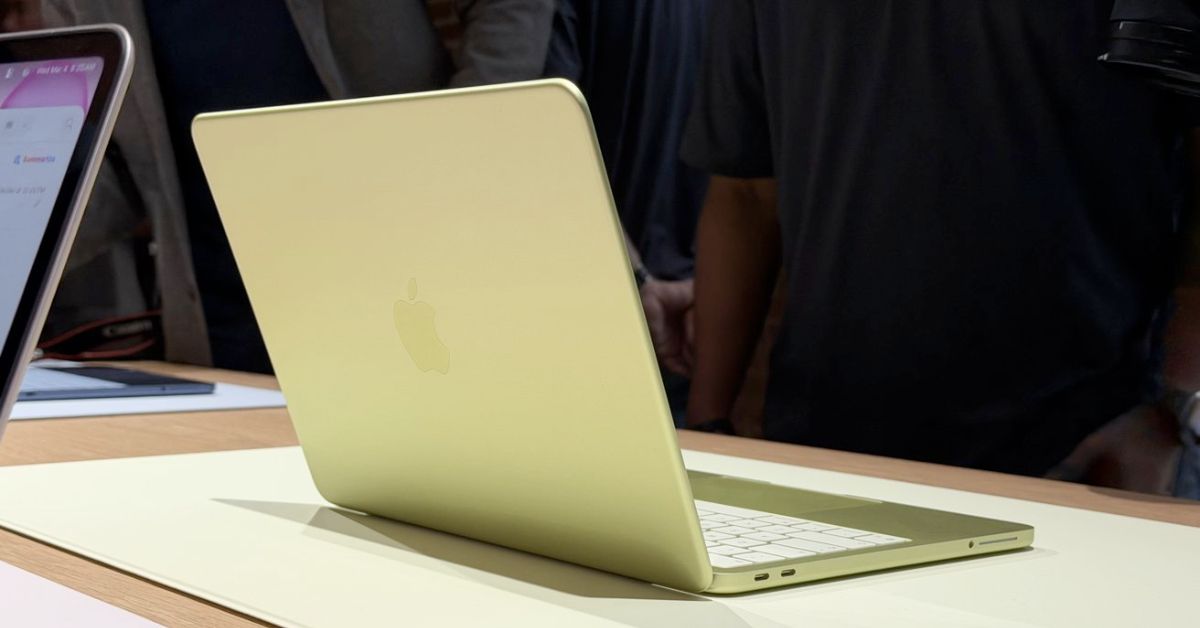
First MacBook Neo Benchmarks Reveal Power of Apple’s A18 Pro Chip
The first MacBook Neo benchmarks are now online, revealing how Apple’s A18 Pro chip performs inside a laptop. Early results show impressive single-core performance that even surpasses the original M1 MacBook Air.
 VikhyatMarch 6, 2026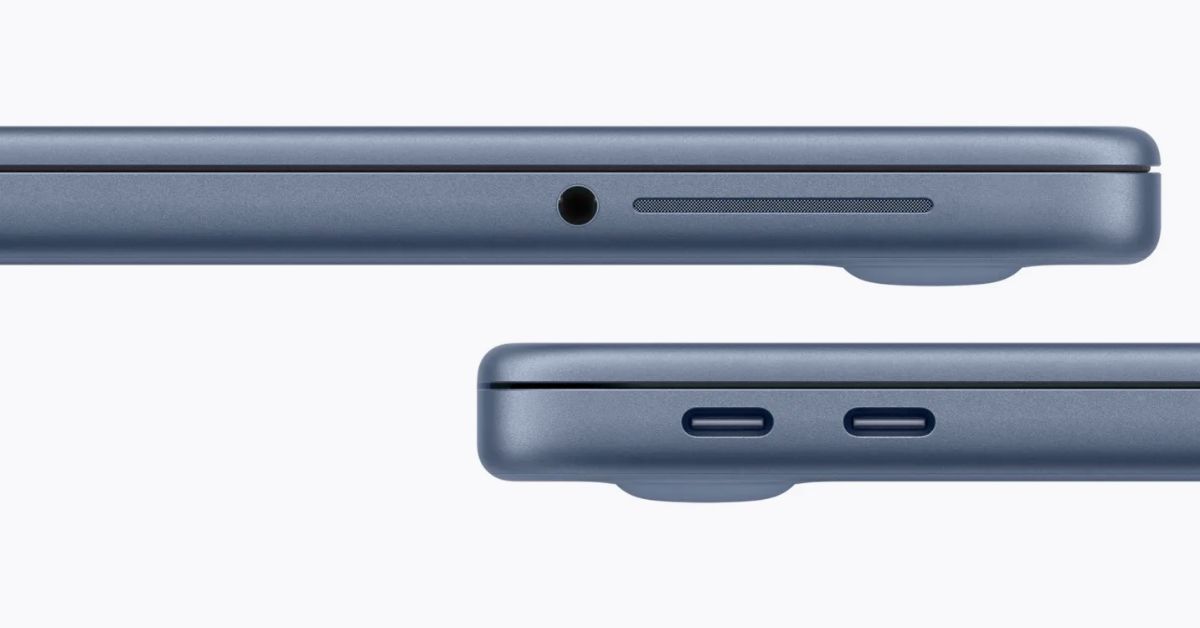
macOS Will Flag the Slower USB-C Port on MacBook Neo
The MacBook Neo includes two USB-C ports with different capabilities. The left port supports faster speeds and external displays, while the right port is limited to USB 2 speeds for charging and basic accessories.
VikhyatMarch 5, 2026
Apple Launched Studio Display and Studio Display XDR: Full Specs, Features, and Price
Apple launches Studio Display and Studio Display XDR built for creators with Thunderbolt 5, stunning visuals, and pro-level performance. Here’s all the specs, features, and price.
 Ava BiswasMarch 4, 2026