
Google is making a fresh laptop play with Googlebooks, a new series of Gemini-first laptops built on software that combines Android and ChromeOS.
The idea is simple: Google wants Gemini to sit inside the basic laptop experience, not beside it. Googlebooks are designed around Gemini Intelligence, which the company says will make the devices more personal, contextual, and proactive.
Magic Pointer turns Gemini into a screen-level tool
The clearest example is the Magic Pointer. Instead of a regular cursor, Googlebooks use a pointer that users can wiggle to activate Gemini. Gemini then looks at what the user is pointing to and suggests useful actions.
Point at a date in an email, and Gemini can help create a meeting. Select two images, and Gemini can compare or combine them. Google says the Magic Pointer will support ask, compare, and combine tools across the screen.
That makes the pointer the main AI trigger. Google is trying to make Gemini feel like part of the laptop’s controls, rather than another app users need to open.
Android gives Googlebooks a tighter phone link
Googlebooks will also support Create My Widget, a new Android feature that lets users create custom widgets with a Gemini prompt. Gemini can search the web and connect with Google apps like Gmail and Calendar, so users can build personalized dashboards without setting everything up manually.
The Android base also helps Googlebooks work more closely with Android phones. Apps from a connected Android phone will be available on the laptop, similar to Apple’s iPhone Mirroring. Quick Access will let users view, search, or insert phone files on the Googlebook without transferring them first.
This is where Googlebooks start to look bigger than a Chromebook refresh. Google is using Android, ChromeOS, and Gemini together to make the laptop feel closer to the phone and more useful across everyday tasks.
Premium hardware is planned, but pricing is still missing
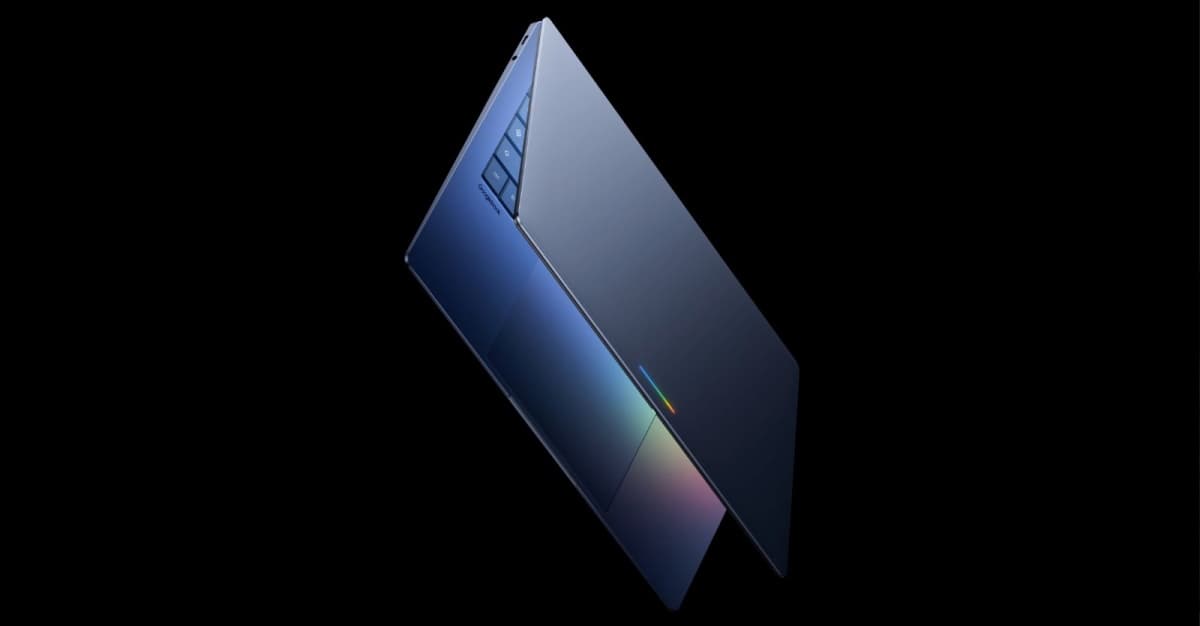
Google says Acer, ASUS, Dell, HP, and Lenovo are working on the first Googlebooks. The laptops will come in different shapes and sizes, with “premium craftsmanship and materials.” Each model will also have a glowbar on the lid to mark it as a Googlebook.
Google has not announced pricing. The premium language suggests Googlebooks may sit above cheap Chromebook territory, but they could also be priced closer to Apple’s low-cost MacBook Neo if Google wants to compete directly on hardware quality and ecosystem features.
The first Googlebooks are set to launch this fall. The real test is whether Gemini feels useful through the Magic Pointer, because that is the feature that could make Googlebooks feel meaningfully different from the laptops Google already sells through Chromebook partners.