
Google has finally launched its own Pixel Tag, giving Android users a first-party tracker to take on Apple’s popular AirTag. It may have arrived late, but Google isn’t simply playing catch-up. With Find Hub, Ultra Wideband, Precision Finding, and a replaceable battery, Pixel Tag looks like a serious competitor from day one.
But the big question is simple: has Google finally built an AirTag killer, or is Apple still one step ahead? Here, I’ve shared a detailed comparison of the Pixel Tag vs AirTag based on their accuracy, tracking range, battery life, privacy, smart features, and price to see which Bluetooth tracker is better.
Google Pixel Tag vs. Apple AirTag: Quick comparison
| Feature | Google Pixel Tag | Apple AirTag |
|---|---|---|
| Price | $29 for one and $99 for a four-pack | $29 for one and $99 for a four-pack |
| Network | Google Find Hub | Apple Find My |
| UWB and precision finding | Yes | Yes |
| Battery | Replaceable CR2032, over 1 year | Replaceable CR2032 |
| Water resistance | IP67 | IP67 |
| Phone finding button | Yes | No |
| Sharing | Up to 10 people | Up to 5 people |
| Best ecosystem | Android | iPhone |
| Launch | November 11, 2026 | Available now |
| My pick | Pixel Tag for Android | AirTag for iPhone |
What is the Google Pixel Tag?
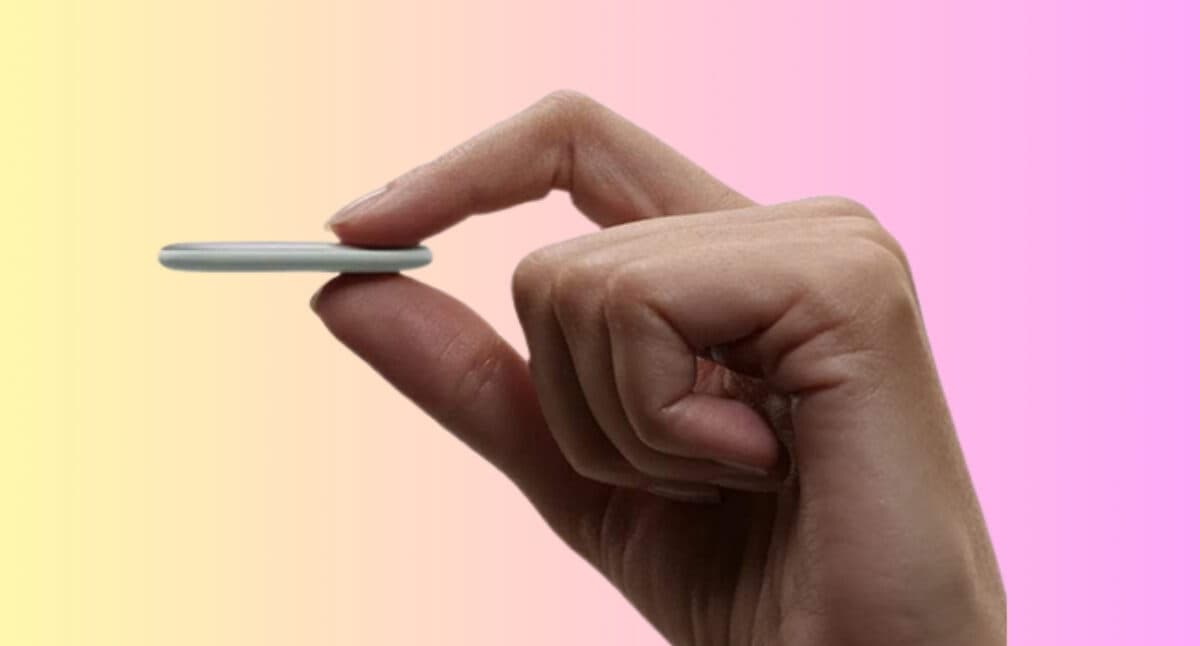
The Pixel Tag is Google’s first-party Bluetooth item tracker, designed to work with the company’s Find Hub network. Google already had Find Hub. What it lacked was its own tracker. That’s now changing.
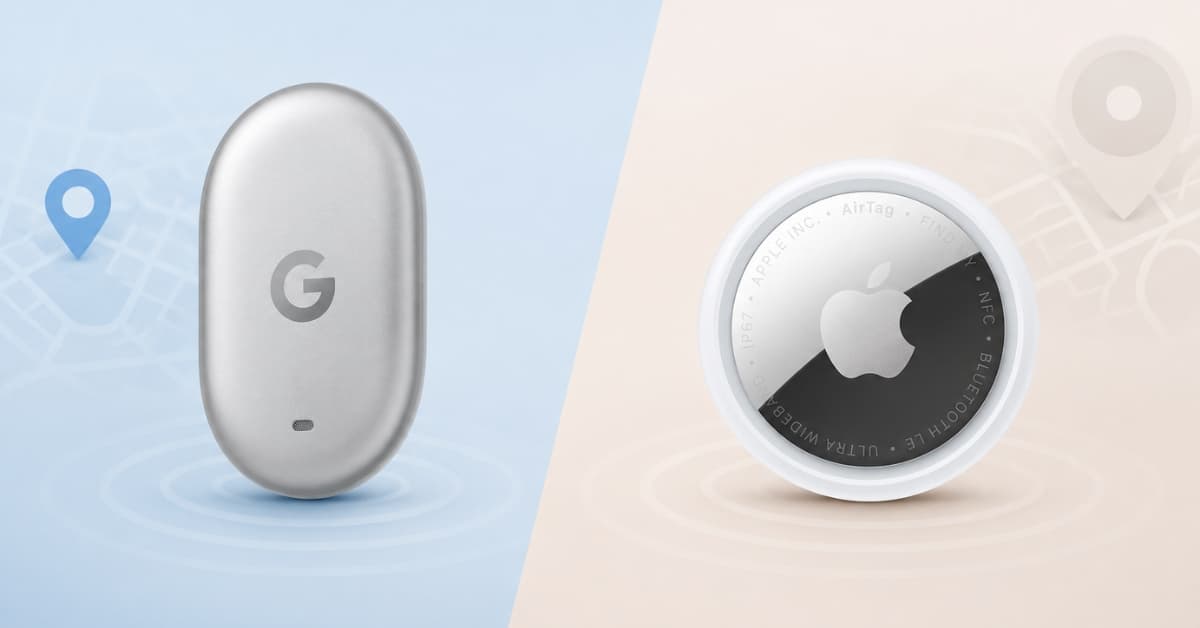
Unlike the AirTag, which has a circular design, the Pixel Tag comes in an oval and pill-shaped design. It is made of metal and polycarbonate, weighs around 12 grams, and measures 1.8 x 1.1 inches with a thickness of 0.2 in. It carries an IP67 rating for dust and water resistance.
It also has:
- Bluetooth
- Ultra Wideband (UWB)
- A built-in speaker
- A replaceable CR2032 battery
- Left Behind alerts
- Precision Finding
- A physical button for finding your phone
- Google Find Hub integration
- Multi-person item sharing
Google says the battery should last more than a year.
Apple AirTag is not the same AirTag anymore
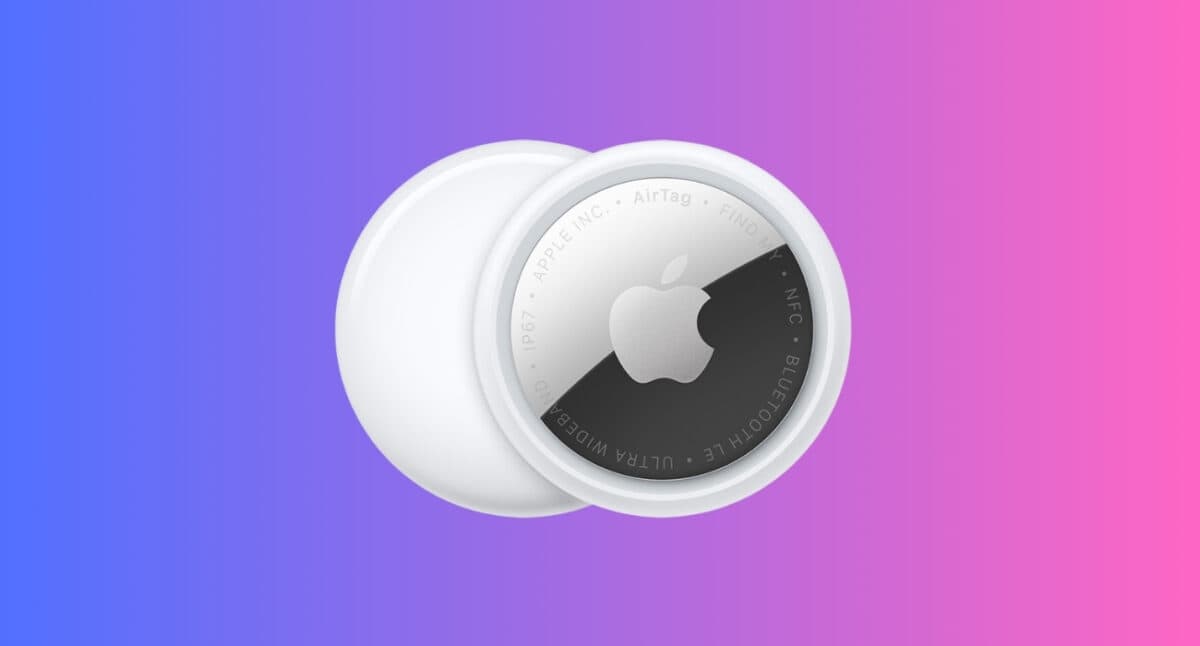
Here’s where this comparison gets interesting. If you are picturing the original 2021 AirTag, stop. Compared to AirTag 1, Apple’s current AirTag is a second-generation product with improved hardware.
Apple says the latest AirTag has a 50% louder speaker and up to 1.5× greater Precision Finding range than its predecessor. It also uses Apple’s second-generation Ultra Wideband chip and an upgraded Bluetooth chip.
The current AirTag remains:
- Replacable battery with up to one year of life
- IP67 rated
- Powered by a replaceable battery
- Integrated with Apple’s Find My network
- Equipped with UWB 2 for Precision Finding
- Compatible with Apple’s Find My ecosystem
In other words, Google isn’t beating up an old AirTag. It’s walking into a fight with AirTag 2.
Pixel Tag vs. AirTag: Price is a draw
Google didn’t try to win the Pixel Tag vs. AirTag battle by making its tracker cheaper. Instead, it did something much more interesting: it matched Apple dollar for dollar.
| Price | Google Pixel Tag | Apple AirTag |
|---|---|---|
| 1-Pack | $29 | $29 |
| 4-Pack | $99 | $99 |
And that’s actually good news for Google. If Pixel Tag had launched at $39 or $49, I’d immediately question its value proposition. You’re asking Android users to move away from established third-party trackers while charging a premium for the privilege.
Instead, Google has effectively said: AirTag costs $29. So does Pixel Tag. Choose your ecosystem. And I think that’s the right strategy. The real battle starts when you stop looking at the price and consider what mobile you use.
Google has one feature Apple doesn’t: A phone-finding button
This is my favorite Pixel Tag feature. And it’s also the sort of feature that sounds trivial until you actually need it.
The Pixel Tag has a physical button that can make your connected phone ring, even if it’s on silent. Think about the number of times you’ve searched your house for your phone while it’s under your couch. In such situations, I now only need to press the button on the tag.
Apple’s AirTag doesn’t have an equivalent physical button.
These tiny quality-of-life features are exactly what makes Google feel less like it’s merely copying Apple.
Winner: Pixel Tag.
Design and build quality: Which feels better built?
This is where the Pixel Tag surprised me.
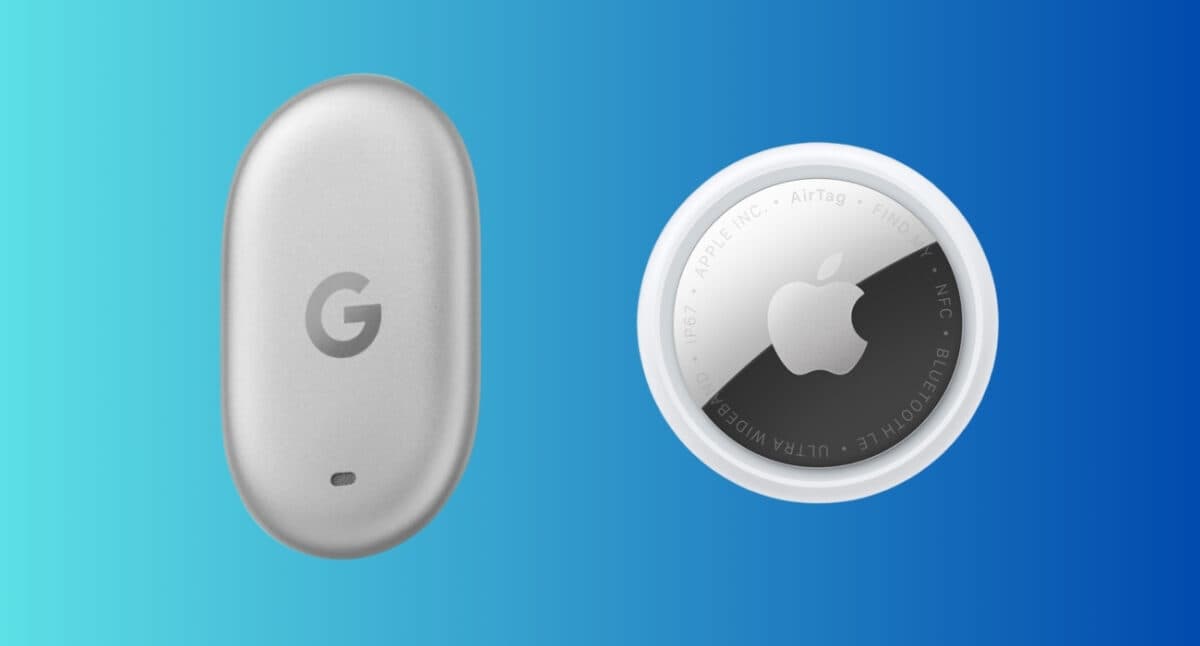
Google could have played it safe and simply copied the AirTag’s little disc. Instead, it went in a different direction. The Pixel Tag has a slim, elongated oval shape and measures just 5.4mm thick, giving it a noticeably thinner and different silhouette from Apple’s round AirTag. And honestly? I like it.
And don’t worry; Google assures that it is “designed to resist flexing and cracking.” There’s also a silver metal face, with Google’s familiar G logo in the center, and the speaker cutout underneath it. Flip the tracker over, and you get a Fog-colored plastic back with the battery cutout.
On the other hand, the AirTag’s circular design has become a standard. You will get lots of different types of accessories and cases designed specifically around it. The enclosure is made of 85% recycled plastic and 100% fiber-based packaging.
Both trackers have IP67 water and dust resistance ratings, ensuring they can withstand splashing water, rain, and even accidental drops. However, the only thing that doesn’t fully convince me about the design is that both tags lack an integrated keyring hole; you will need a separate holder/case to carry them with your keys or luggage.
Winner: Pixel Tag.
Pixel Tag vs. AirTag: Which has the better tracking network?
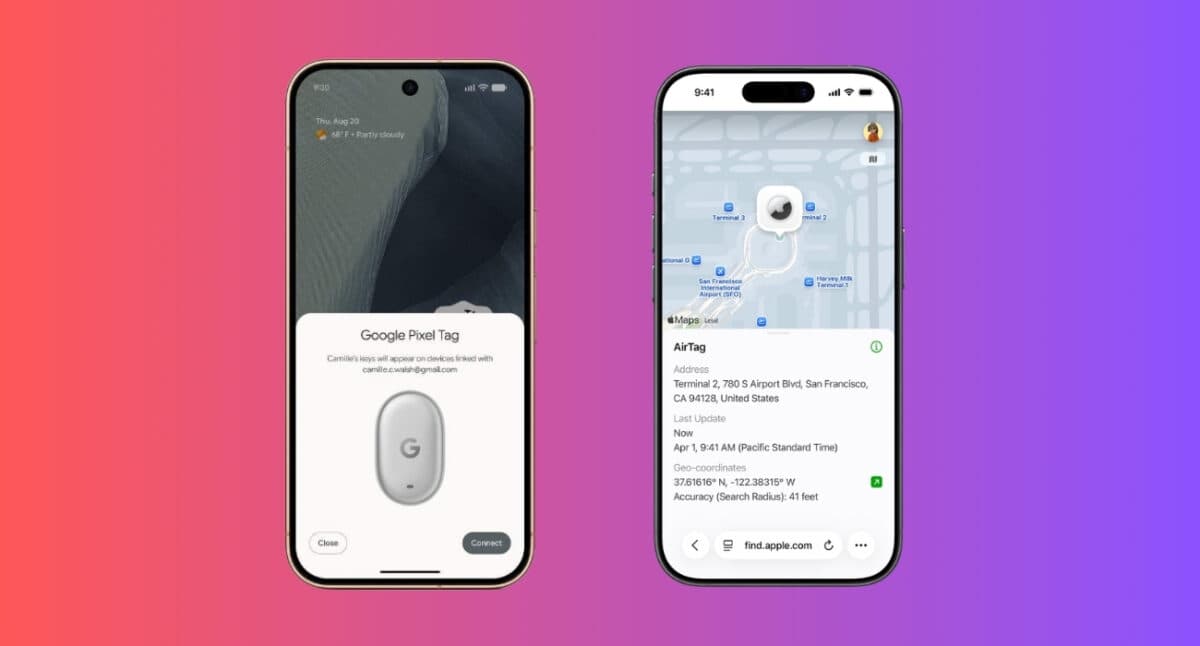
This is the battle that actually matters. A Bluetooth tracker isn’t very interesting when it’s sitting next to you. The magic happens when you leave your suitcase in an airport, forget your keys behind, or accidentally leave your backpack somewhere. That’s where the network comes in.
Apple’s AirTag uses the Find My network, leveraging nearby Apple devices to anonymously relay the approximate location of your lost item. Its upgraded second-generation Ultra Wideband chip also improves Precision Finding up to 60 meters. I like AirTag’s sharing feature that helps find lost luggage at airports.
The improved speaker makes the tag easier to hear when it is hidden nearby. Add Left Behind alerts, encrypted location sharing in the Find My app, and unwanted-tracking protections, and AirTag 2 remains one of the most capable item trackers around.
Google’s Pixel Tag uses Find Hub, which Google says taps into more than one billion Android devices. Moreover, the Pixel Tag has an accelerometer, speaker, Bluetooth, and Ultra Wideband (UWB). With Precision Finding, you get visual distance and directional cues to help locate a nearby tag up to 50 meters away.
Google also includes familiar AirTag-style features such as Left Behind alerts, playing a sound on your Google Pixel Tag, or even asking Gemini to ring it for you, as well as the ability to share a tag’s location with up to 10 people.
Winner: Tie.
Privacy and anti-stalking protection: Google finally plays by Apple’s rules
A tracker that can help you find your lost keys can also be misused to track people. So privacy and anti-stalking protections aren’t optional extras; they’re part of what makes a tracker worth trusting.
The good news is that Google has essentially matched Apple’s approach here. Android devices can alert you when an unknown tracker is detected traveling with you, helping protect against someone secretly placing a Pixel Tag in your bag, car or belongings.
Even better, the protection isn’t locked inside Google’s ecosystem. Thanks to a collaboration between Google and Apple, Tracking Notifications are cross-platform. That means an iPhone can warn you about an unfamiliar Pixel Tag, while an Android phone can alert you about an unknown AirTag traveling with you.
I genuinely think this is one of the most important parts of the Pixel Tag.
Winner: Tie.
Has Google beaten Apple with Pixel Tag?
No, but Google has beaten my expectations. And that’s actually a compliment. I expected Google’s first tracker to be a generic AirTag clone with a Pixel logo.
Instead, Google has built something that makes several thoughtful improvements:
- A phone-finding button
- Support for up to 10 shared users
- UWB Precision Finding
- Bluetooth 6.0 capabilities
- A thin, distinctive design
- More than one year of replaceable-battery life
- Find Hub integration
- A $29 price point
At the same time, Apple still has enormous advantages:
- A mature Find My network
- A massive AirTag accessory ecosystem
- A proven tracking experience
- Excellent integration across Apple’s hardware
- A refined second-generation AirTag
- A strong head start in consumer awareness
So no, Pixel Tag hasn’t dethroned AirTag.
My verdict: Pixel Tag wins for Android, AirTag wins for iPhone
If you forced me to choose one tracker for an Android phone today, I’d buy Pixel Tag. Not because it is dramatically more advanced. I’d choose it because Google has finally made the tracker feel like a native part of Android, rather than an accessory built by someone else for Google’s platform.
However, if you’re on iPhone, buy the AirTag and don’t overthink it.
More interesting reads: