
Apple in Talks to Assemble iPhone Chips in India for the First Time
Apple may assemble iPhone chips in India for the first time, marking a major step beyond device assembly into semiconductor packaging.

Apple is exploring the possibility of assembling and packaging iPhone chips in India, a move that would further deepen the company’s manufacturing footprint in the country. The information was first reported by The Economic Times, citing people familiar with the discussions.
Apple in early talks with CG Semi
According to The Economic Times, Apple is in preliminary conversations with CG Semi, an Indian semiconductor company, to handle assembly and packaging for future iPhone chips. These discussions are still at a very early stage, and no final decisions have been made.
CG Semi is currently building one of India’s first large-scale outsourced semiconductor assembly and test facilities, also known as an OSAT plant. The facility is located in Sanand and is expected to play a key role in India’s push to develop local semiconductor capabilities.
Sources told The Economic Times that it is not yet clear which iPhone chips could be handled at the Sanand facility. One person familiar with the matter said that display-related chips are the most likely candidates at this stage.
Why display chips are a likely starting point
Apple’s iPhone displays are supplied by companies such as Samsung Display, LG Display, and BOE. However, the display driver integrated circuits, which control how the display functions, are sourced from suppliers including Samsung, Novatek, Himax, and LX Semicon.
At present, these display chips are typically manufactured and packaged in facilities located in South Korea, Taiwan, or China. If Apple moves this part of the process to India, it would reduce reliance on existing packaging hubs and add another layer to its supply chain diversification strategy.
Part of Apple’s broader shift toward India
Any agreement with CG Semi would mark Apple’s first known attempt to assemble and package iPhone chips in India. Until now, India’s role in Apple’s supply chain has focused mainly on iPhone assembly.
Over the past few years, Apple has steadily increased its manufacturing presence in India as it looks to reduce dependence on China. Chip packaging would represent a more advanced step in this transition, moving beyond final device assembly into semiconductor-related operations.
India’s growing focus on chip manufacturing
The reported talks with Apple come during a busy period for India’s semiconductor sector. The Economic Times recently reported that Intel has entered into a partnership with Tata Electronics to explore chip manufacturing and advanced packaging at Tata’s upcoming fab and OSAT facilities in India.
Packaging plays a critical role in semiconductor production. It protects the chip, improves performance, and helps manage power and heat. These capabilities are essential for companies looking to move up the value chain in chip manufacturing.
High standards and strong government backing
Despite the potential, one source told The Economic Times that working with Apple would be challenging. Apple is known for strict quality and reliability standards, and only a small number of partners typically make it onto its approved supplier list.
CG Semi’s project has significant backing from both central and state governments. The company’s ₹7,600 crore OSAT plant is supported under the India Semiconductor Mission, a national initiative aimed at positioning India as a global hub for semiconductor and display manufacturing.
While the talks remain exploratory, a deal with Apple would be a major milestone for India’s semiconductor ambitions and a clear signal of Apple’s long-term manufacturing strategy in the country.

Written by
Ravi Teja KNTSI’ve been writing about tech for over 5 years, with 1000+ articles published so far. From iPhones and MacBooks to Android phones and AI tools, I’ve always enjoyed turning complicated features into simple, jargon-free guides. Recently, I switched sides and joined the Apple camp. Whether you want to try out new features, catch up on the latest news, or tweak your Apple devices, I’m here to help you get the most out of your tech.
View all posts →More from News
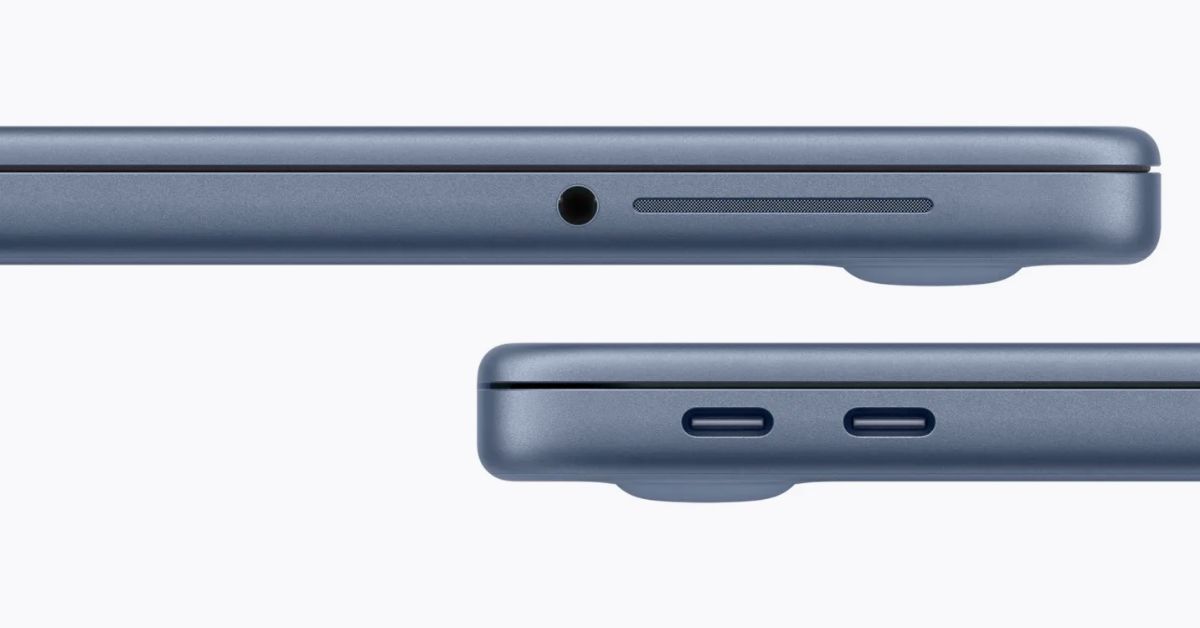
macOS Will Flag the Slower USB-C Port on MacBook Neo
The MacBook Neo includes two USB-C ports with different capabilities. The left port supports faster speeds and external displays, while the right port is limited to USB 2 speeds for charging and basic accessories.
 VikhyatMarch 5, 2026
Apple Launched Studio Display and Studio Display XDR: Full Specs, Features, and Price
Apple launches Studio Display and Studio Display XDR built for creators with Thunderbolt 5, stunning visuals, and pro-level performance. Here’s all the specs, features, and price.
 Ava BiswasMarch 4, 2026
Apple Pre‑Orders Now Live for iPhone 17e, MacBook Neo, M5 Macs and More
Apple has opened global pre-orders for iPhone 17e, MacBook Neo, M5 Macs, and new Studio Displays. Here are the start times, products, and release date.
Ravi Teja KNTSMarch 4, 2026