
Why Apple Pay Still Isn’t Available in India
What’s stopping Apple Pay from launching in India and why 2026 could be the turning point.
- Apple Pay basics: Makes secure in-store and online payments using Face ID, Touch ID, or NFC tap, cutting checkout time and keeping card numbers private.
- Why rollout is hard in India: Certification costs, RBI data localization, biometric limits, and dominant UPI apps complicate launch and reduce incentives for Apple Pay.
- What already works in India: Apple supports UPI, RuPay, and netbanking for payments, but no NFC tap to pay or card provisioning in Wallet yet.
- What must change to launch: Local data storage compliance, bank tokenization partnerships, clarified biometric rules, and widespread NFC support must align before Apple Pay launches.
- Practical path and caveats: UPI integration in Wallet and NFC tap via banks could work, but expect regional pilots, KYC steps, and temporary feature gaps.
Despite India becoming one of Apple’s fastest-growing markets, there’s one major gap that still leaves iPhone users scratching their heads: Why is not Apple Pay available in India yet?
With Apple claiming a dominant share of the premium smartphone market, many expected its digital wallet to follow. But even as Apple Stores open across major cities and record iPhones sales, Apple Pay remains missing from the Indian payment system.
Let’s explore what’s really going on from regulations and market dynamics to new updates that could finally change things.
What Apple Pay Actually Is?
Apple Pay is Apple’s contactless payment and digital wallet system. It lets you:
- Tap your iPhone or Apple Watch at checkout to pay instantly in stores.
- Make secure online purchases without sharing your card number.
- Use Face ID or Touch ID for lightning-fast authentication.
Very much convenient in daily life! So why can’t Indian iPhone users join in?
Check out: What stores take Apple Pay? The ultimate guide
The India Problem: Small Market, Big Costs
India is a price-sensitive market. In 2024, the average selling price of smartphones was just $259, while iPhones start at around $799 and even in 2025, that gap still exists.
As a result, Apple’s unit market share in India hovers around 8%, compared to 58% in the United States. This limited market share likely discourages Apple from investing heavily in Apple Pay’s infrastructure and rollout in India.
Yes, rolling out Apple Pay isn’t cheap. It requires:
- Infrastructure testing, security audits, and merchant support.
- Partnerships with banks and card networks.
- Regulatory approvals from RBI and NPCI.
However, Apple is now India’s fastest-growing smartphone brand, owning over half (58%) of premium segment. As market share improves, Apple Pay may finally enter the Indian market.
What Apple Payments Already Supports in India
Here’s a fact that surprises many: Apple has already integrated Indian payment systems, just not full Apple Pay (yet).
You can currently use the following methods to pay for App Store, iTunes, and Apple Music purchases:
- UPI
- RuPay
- Netbanking from major Indian banks
That’s a big step forward and hints at Apple’s gradual localization strategy. But what’s missing is tap-to-pay functionality and the ability to add Indian debit/credit cards to the Wallet app for contactless payments. So, users can’t enjoy the true Apple Pay experience.
Regulatory and Technical Roadblocks for Apple Pay
There are multiple issues from authority and regulatory side that are holding back Apple Pay to enter India.
1. Data Localization
The Reserve Bank of India (RBI) mandates that all payment-related data must be stored locally in India. Apple traditionally stores sensitive information (like tokens) securely within its global infrastructure and on-device, not on third-party servers.
To comply, Apple would need to either:
- Build or lease local data centers, or
- Partner with an Indian financial entity that meets these requirements.
That’s not trivial, especially given Apple’s tight privacy standards.
2. Biometric Authentication Complications
Until recently, India’s payments framework didn’t allow private companies to use biometrics (like Face ID or Touch ID) for transaction approval, everything had to be PIN-based.
But here’s the exciting part! As of October 8, 2025, the NPCI (National Payments Corporation of India) officially allows optional biometric authentication (via Aadhaar-based Face or Fingerprint) for UPI transactions up to ₹5,000.
However, Apple’s biometrics are stored securely on the device, not on UIDAI’s servers (Indian government’s biometric database) and regulators require Aadhaar-linked verification. Apple has not shown interest to use this verification compromising its privacy-first policy.
Unless the framework expands to include device-side validation, Apple Pay still can’t legally process transactions via Face ID or Touch ID in India.
3. Competition, User Habits, and Merchant Adoption
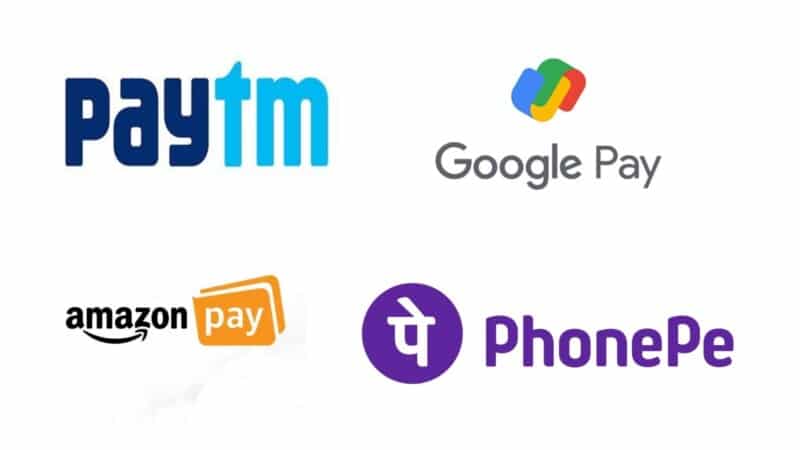
The Indian digital payments market is already dominated by UPI giants like:
- PhonePe (≈ 46% market share)
- Google Pay
- Paytm
These platforms are free, universal, and familiar. Anyone can pay anyone, regardless of phone brand. In contrast, Apple Pay would only work on iPhones, drastically shrinking its user base.
Thus, merchants may not find it worthwhile to adopt it. Also, banks and financial institutions demand a minimum volume of transactions for supporting new payment methods.
And let’s be real: once people are comfortable with their payment app, convincing them to switch is an uphill battle. So, it’s still hard to make Apple Pay successful in India.
The UPI Opportunity: Apple’s Smartest Path Forward
If Apple wants to succeed in India, UPI integration is the key.
Most Indian payment terminals already support NFC (Near-Field Communication), and the RBI mandates interoperability between payment systems. That means the technical groundwork is already in place for Apple Pay to connect to UPI infrastructure.
Apple could:
- Partner with a UPI-enabled bank (like HDFC, Axis, or SBI).
- Build an Apple Pay–UPI hybrid that authenticates via PIN or Aadhaar.
- Offer tap-to-pay using UPI QR/NFC rather than card tokens.
The pieces are finally aligning but only if Apple and Indian regulators can agree on data handling and authentication frameworks.
What Could Change in 2026 and Beyond
Here’s why there’s still hope:
- India’s biometric payment policy is evolving fast.
- Apple’s UPI, RuPay, and Netbanking support show it’s testing the waters.
- iPhone sales in India are growing over 50% year-on-year, especially in metro areas.
- Apple’s local manufacturing expansion (Made-in-India iPhones) may ease future regulatory friction.
In short: the foundation is finally being laid. Don’t be surprised if Apple Pay’s soft launch in India starts with UPI-based tap-to-pay or wallet-linked online payments in the next couple of years.
Final Thoughts
Apple’s story in India is one of patience and precision. Between data localization rules, market realities, and Apple’s privacy priorities, the rollout of Apple Pay was always going to be complicated.
But with new biometric rules, UPI integration, and booming iPhone sales, the roadblocks are slowly clearing. It may take some time, but all signs point to Apple Pay eventually making its way to Indian users.
Would you switch to Apple Pay when it launches in India? Drop your thoughts below. I’d love to hear what side you’re on!
Frequently Asked Questions
You may also like to read these:
Topics

Written by
Mahit HuilgolMahit is an engineer by Education with a corporate stint to his name. He ditched the corporate boardroom wars in favor of the technology battleground. For the better part of a decade, he has worked for popular publishing outlets, including Dennis Publishing, BGR India, AppStorm, MakeUseOf, and iPhonehacks.
View all posts →More from Editorial
iPad Air M4 vs iPad Pro M4: Which One Should You Buy?
Trying to choose between the iPad Air M4 and iPad Pro M4? This comparison breaks down specs, display, power, and value so you can pick the best iPad for your needs.
 VikhyatMarch 4, 2026
iPhone 17e vs iPhone 17: What You Give Up for $200 Less
iPhone 17e vs iPhone 17: What do you lose for $200 less? From display and cameras to battery and charging, here’s the full comparison.
 Ravi Teja KNTSMarch 5, 2026
Upcoming Apple Products in 2026: Full List of What to Expect
Uncover the biggest Apple product launches coming in 2026, including new iPhones, Macs, smart home devices, and the company’s boldest innovations yet.
 Ava BiswasMarch 3, 2026