
OpenAI’s next iPhone app may be tied to Codex, its fast-evolving desktop app for agentic work on the Mac.
The company has been shipping Codex updates at a rapid pace, and the latest clue points beyond the desktop. A new prompt in Codex asks users, “What type of work do you do?” The options include engineering, product, finance, marketing, sales, operations, data science, design, student, and “something else.”
That matters because Codex is starting to look less like a tool only for developers and more like a broader productivity workspace. If the app changes its interface based on your role, OpenAI is clearly thinking about Codex as something useful across teams, not only inside code editors.
Codex is being shaped for more than developers
The role-based setup is a small detail, but it says a lot about where Codex is going. A developer may want terminal access, code review, and repository context. A marketer, designer, student, or operator may care more about files, browser work, apps, approvals, and repeatable workflows.
That gives OpenAI room to make Codex feel different depending on the job. It also helps the company separate everyday ChatGPT use from heavier agent work. ChatGPT can stay simple, while Codex becomes the place where users hand off longer tasks that need access to a desktop environment.
An iPhone app could make Mac agents easier to manage
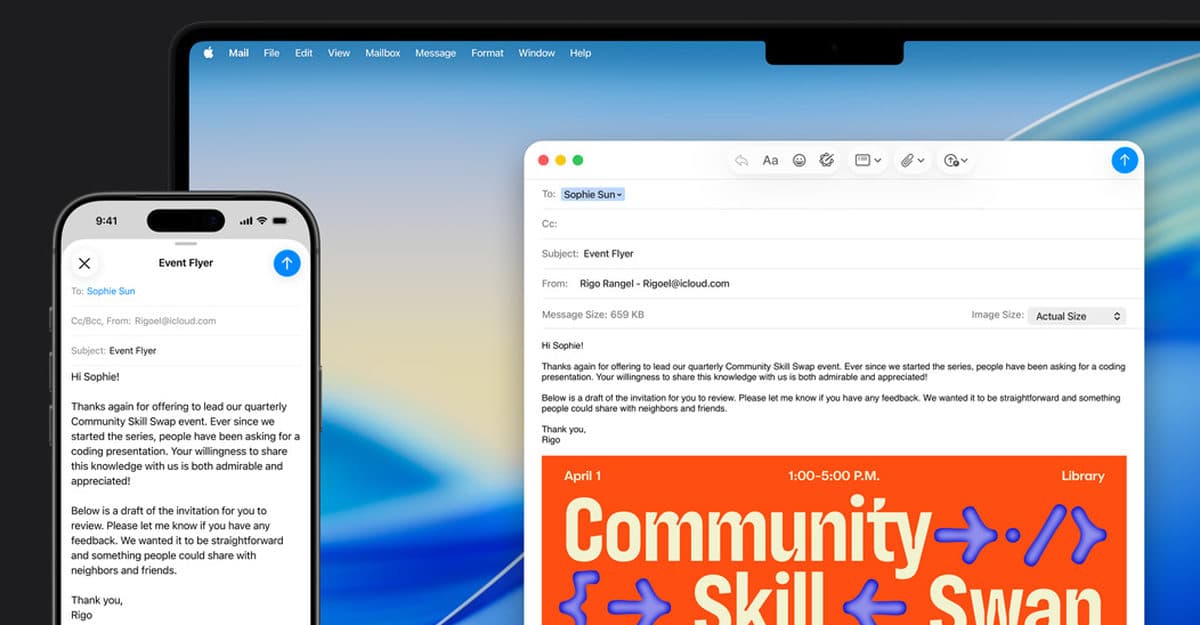
The strongest hint is that OpenAI may be preparing an iPhone companion app that works as a remote control for Codex on the Mac. That would make sense. Codex already runs long tasks on a desktop machine, and an iPhone app could let users check progress, guide tasks, approve actions, or start new work without sitting in front of the Mac.
OpenAI recently added the ability for Codex to use apps on the Mac without taking over the cursor. That was a meaningful step because it lets Codex work in the background while the user keeps using the machine. A mobile companion would make that workflow feel more complete.
If launched, Codex for iPhone would follow ChatGPT and Sora as another OpenAI iOS app, though Sora’s social video feed app was discontinued in March. The timing also fits OpenAI’s current push around Codex, which has recently gained a dedicated subscription, GPT-5.5 support, and tighter links to OpenAI’s broader productivity stack.
Codex only arrived on the Mac in February, so an iPhone companion arriving this soon would show how aggressively OpenAI wants to turn it into a daily work app. The bigger question is how much control OpenAI will put on the phone. A simple status viewer would be useful, but a real remote controller for Mac-based agents could make Codex feel far more practical for everyday work.