

Both ChatGPT Plus and Claude Pro cost $20 a month, and both can make you a faster writer, researcher, developer, or student than their free tiers. The difference is that they aren’t trying to solve the same problem. ChatGPT Plus aims to be an all-in-one AI toolkit for writing, coding, research, images, voice, spreadsheets, and automation. Claude Pro focuses on delivering a more thoughtful conversation, stronger writing, and better instruction-following.
If I had to cancel one today, I’d keep ChatGPT Plus. It simply offers more value for the same price. But that doesn’t automatically make it the better choice for everyone. Depending on how you use AI, Claude Pro may still be the subscription that’s worth paying for.
ChatGPT Plus vs. Claude Pro: Quick comparison
| ChatGPT Plus | Claude Pro | |
|---|---|---|
| Price | $20/month | $20/month, or $200/year (~$17/mo) |
| Models | GPT-5.6 Sol in ChatGPT; Sol, Terra, and Luna in Codex | Sonnet 5 included; Fable 5 draws from a separate credit pool |
| Everyday chat | Capable, occasionally stiff | Warmer, more natural, better at follow-through |
| Writing & editing | Solid, often needs a tone pass afterward | Holds your voice across long drafts with less cleanup |
| Research | Wider toolkit; handles files, data, and mixed formats | Stronger at synthesizing long documents into one argument |
| Images & voice | Native image generation, richer voice mode | Can read and reason about images, no image generation |
| Coding | Excellent, especially through Codex | Excellent, with cleaner architecture and stronger first-pass UI |
| Agent/computer use | More reliable at following a plan through to the end | Better at exploring options, more likely to pause mid-task |
| Custom workflows | Projects, custom GPTs, Tasks, Codex | Projects, Artifacts, Skills, connectors, Claude Code |
| Usage limits | Generally easy to live with | Five-hour session caps plus weekly limits |
| Best for | Most people, including developers, creators, students, and mixed workloads | Writers, researchers, and anyone who mostly lives inside the chat window |
(US web pricing before tax; App Store and regional pricing may vary.)
ChatGPT Plus vs. Claude Pro: Key differences
The biggest difference comes down to how each platform expects you to work. Claude is at its best in discussion. You’re shaping an idea, refining a plan, and going back and forth. Its tone stays consistent, it follows nuance across a long thread, and it rarely needs to be reminded of what you already told it.
ChatGPT Plus is built for throughput. Research, images, voice, spreadsheets, and code all sit in the same subscription, and the limits are loose enough that a big project rarely grinds to a halt.
The catch is that Claude’s biggest strength is also its biggest liability. Long conversations, big attachments, Research, Artifacts, and Claude Code all draw from the same allowance, and it empties faster than you’d expect. ChatGPT is easier to lean on for hours at a stretch, though you’ll occasionally get an answer that reads a little flatter and more over-structured than what Claude would have written.
What do you get with ChatGPT Plus and Claude Pro?
- ChatGPT Plus gets you GPT-5.6 Sol, plus voice, native image generation, file and data analysis, Deep Research, Projects, custom GPTs, and Codex, which itself includes Sol, Terra, and Luna. More importantly, the limits are way more generous than Claude. You get like a 160-message limit per three hours on ChatGPT. Codex and ChatGPT work usage limits are also way higher than what Claude offers.
- Claude Pro gets you Sonnet 5, Claude Code, Projects, Research, extended thinking, and connectors. It costs either $20/month or $200/year, which knocks the effective monthly price down to about $17. The one wrinkle is that Fable 5 isn’t part of the standard Pro allowance. It draws from a separate credit pool, and full included access sits behind a higher tier.
Model access is arguably the biggest difference between the two subscriptions. ChatGPT Plus hands you the best model and best limits. Whereas Claude does not provide you with Fable 5 in the Pro plan and also hits its limits way more than ChatGPT, so you have to stop your work for a few hours until your 5-hour limit resets again.
Claude still feels better to actually talk to
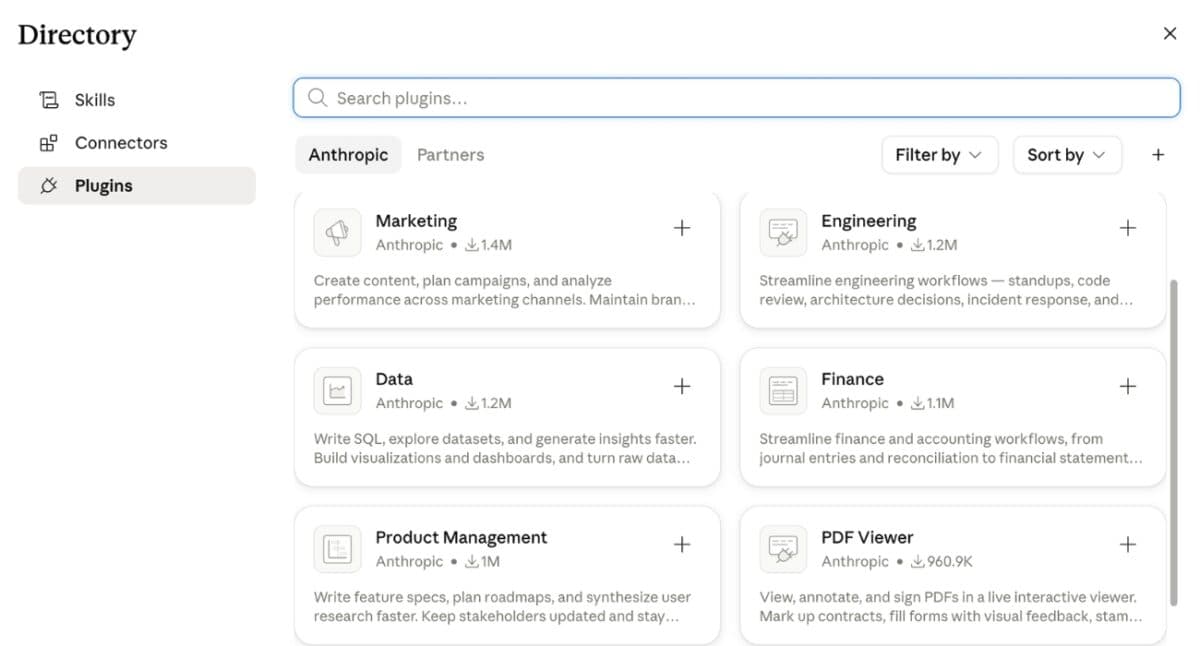
This remains Claude’s biggest strength. It can take a half-formed idea and work with it instead of flattening it into a bulleted list, and it’s noticeably better at preserving your voice when editing a long draft rather than rewriting over it. Switching from ChatGPT to Claude for long-form writing consistently cuts down the cleanup work afterward. That’s not a small thing if writing is most of what you do.
Artifacts round this out nicely: you can develop a document, chart, or small prototype alongside the conversation rather than as a separate export. Combined with Projects, connectors, and Skills, Claude’s website feels less like a chatbot and more like a workspace built around the conversation itself.
ChatGPT isn’t far behind on paper. It has Projects, custom GPTs, memory, and Tasks of its own. But when the work is really about thinking something through rather than producing a single final answer, Claude still has the edge.
Research and documents: it depends what comes next
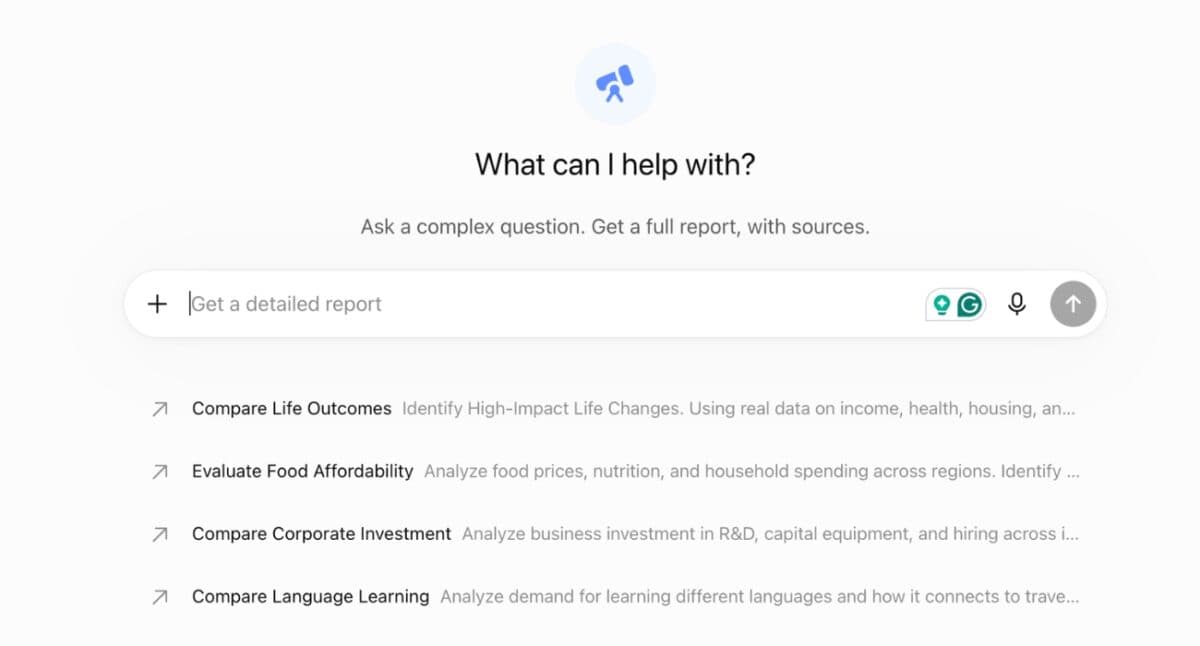
Both tools can search the web, cite sources, read PDFs, and hold reference material inside a project. The real difference isn’t whether they can research—it’s what happens after the research is finished.
Claude is the stronger choice when the job is turning several long reports into one coherent argument. It carries a thread across long documents without the result feeling stitched together from parts. ChatGPT pulls ahead when the research is just the first step: it can inspect images, clean up a spreadsheet, run Python, generate charts, and reformat everything without leaving the conversation.
A practical rule of thumb is to reach for Claude when you’re comparing three long reports and need the stronger argument out the other side. Reach for ChatGPT when there’s also a messy CSV, some calculations, or multiple output formats involved. Either way, double-check the important claims, citations, and numbers yourself.
Images, voice, and data clearly favor ChatGPT
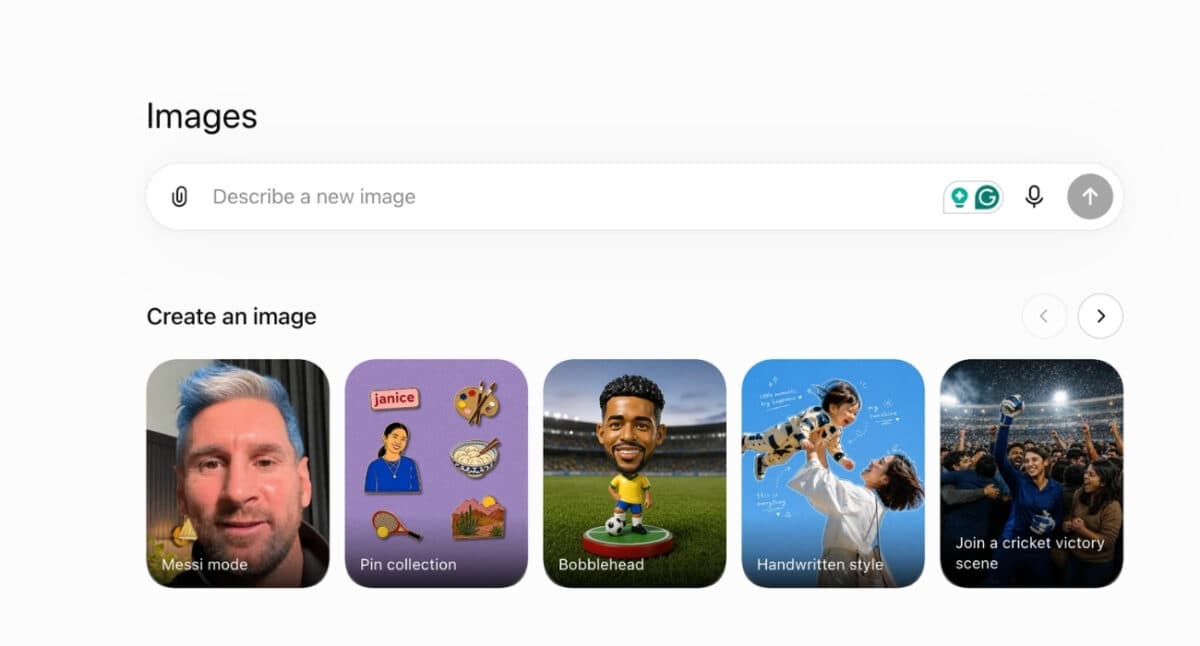
ChatGPT Plus can generate and edit social graphics, concept art, thumbnails, and mockups. Claude doesn’t compete in this category. It can analyze an image and build a visual Artifact from it, but it has no comparable image generator of its own.
Voice tells a similar story: ChatGPT’s voice mode is genuinely useful for hands-free brainstorming or camera-based questions, while Claude’s version is fine for conversation but not a reason to subscribe on its own. For anything involving numbers, such as running calculations, writing Python, explaining a CSV, or building a chart, ChatGPT handles mixed text, data, and visual work more comfortably than Claude does.
Coding is close. But ChatGPT is a no-brainer for the $20 Plan
In terms of coding quality, there’s very little separating them. Claude tends to write cleaner code, plan architecture more carefully, and nail the UI on a first attempt. ChatGPT, through Codex, is every bit as capable on hard engineering problems.
The bigger difference comes down to subscription value. Claude Pro includes Sonnet 5, with its newer model gated behind credits. ChatGPT Plus includes GPT-5.6 Sol and gives Codex access to three additional models. For a single $20 coding subscription, ChatGPT currently offers the broader model lineup and roomier limits.
The workflows differ too. Claude is more likely to question a weak assumption or suggest a cleaner approach while you’re still figuring out what to build, but it is also more likely to pause partway through a longer task. Codex, once a plan is approved, just executes: it edits files, verifies the result, and keeps going without much hand-holding.
In practice, that division of labor works well together. Use Claude to decide what to build and how it should work, then hand the approved plan to Codex to finish. Codex is also useful well outside of software, including writing from large folders, updating documents, and running repeatable reporting workflows, which makes ChatGPT Plus worth considering even if you’re not coding full-time.
However, as mentioned, Claude does not provide your Fable 5 in the Pro tier, and you will also hit your usage limits faster. So if you are not planning on buying additional credits on top of your Claude sub, then ChatGPT is a better option, as you get both the best model and better limits.
ChatGPT is the more reliable computer-use agent
Ask ChatGPT to investigate a system setting, dig through files, or complete a task in the browser, and it tends to find the right control and recover gracefully when something unexpected pops up. Claude can handle simple versions of the same workflow, but it’s more prone to losing track of a dialog box or picking the wrong control in a genuinely complex interface.
Neither should be trusted unsupervised around payments, account deletion, or sensitive files. But for routine work across a browser and desktop apps, ChatGPT is the safer bet today.
A couple of things to check before you subscribe
Both are consumer-tier plans, so read the data-handling terms before uploading client work, private code, or anything sensitive. Confidential company work needs a business plan, not a personal subscription. Neither $20 fee covers API usage: any app or automation built on an OpenAI or Anthropic API key is billed separately, and Claude may charge credits for usage beyond the standard Pro allowance.
Should you buy ChatGPT Plus or Claude Pro?
- Most people: ChatGPT Plus. It covers more ground with fewer compromises.
- Writers and editors: Claude Pro, if preserving your voice and cutting down on cleanup matters more than images, voice, or automation.
- Researchers: Claude for synthesizing long documents into a single argument; ChatGPT when the work also involves spreadsheets, charts, or multiple output formats.
- Developers: ChatGPT Plus for the strongest $20 coding-and-agent bundle; Claude if planning quality and collaborative problem-solving matter more to you than raw execution and limits.
- Students: ChatGPT Plus for mixed coursework, research, and data work; Claude for essay-heavy or reading-intensive assignments.
- Creators: ChatGPT Plus, since image generation, voice, research, and writing all live in one place.
- Chat-first users: Claude Pro, if what you want is a genuinely good assistant to think alongside every day, and you’ll actually use Artifacts and Projects.
- Occasional users: Neither, yet. Stick with the free tiers until a limit or a missing feature starts costing you real time.
For most people, I’d recommend subscribing to ChatGPT Plus and pairing it with Claude’s free plan. Upgrade to Claude Pro only when its stronger writing, planning, and Artifacts become essential parts of your daily workflow.
You may also enjoy: