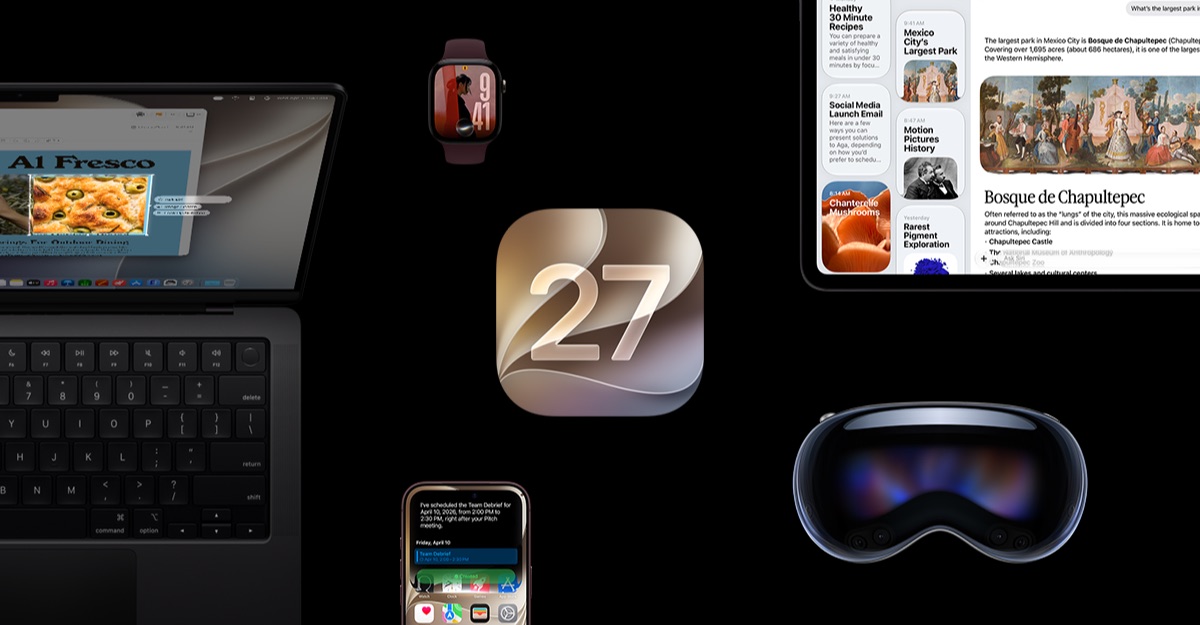

Apple is giving developers a deeper look at its AI strategy through a new 90-minute WWDC26 presentation recorded at the Steve Jobs Theater. The session explores the company’s latest AI tools, frameworks, and Xcode capabilities while offering a glimpse into the future of app development across iPhone, iPad, Mac, Apple Watch, and Vision Pro.
Although much of the presentation is aimed at developers, it also highlights the kinds of AI-powered experiences users can expect to see in third-party apps over the coming months.
Apple builds an entire app from a few prompts
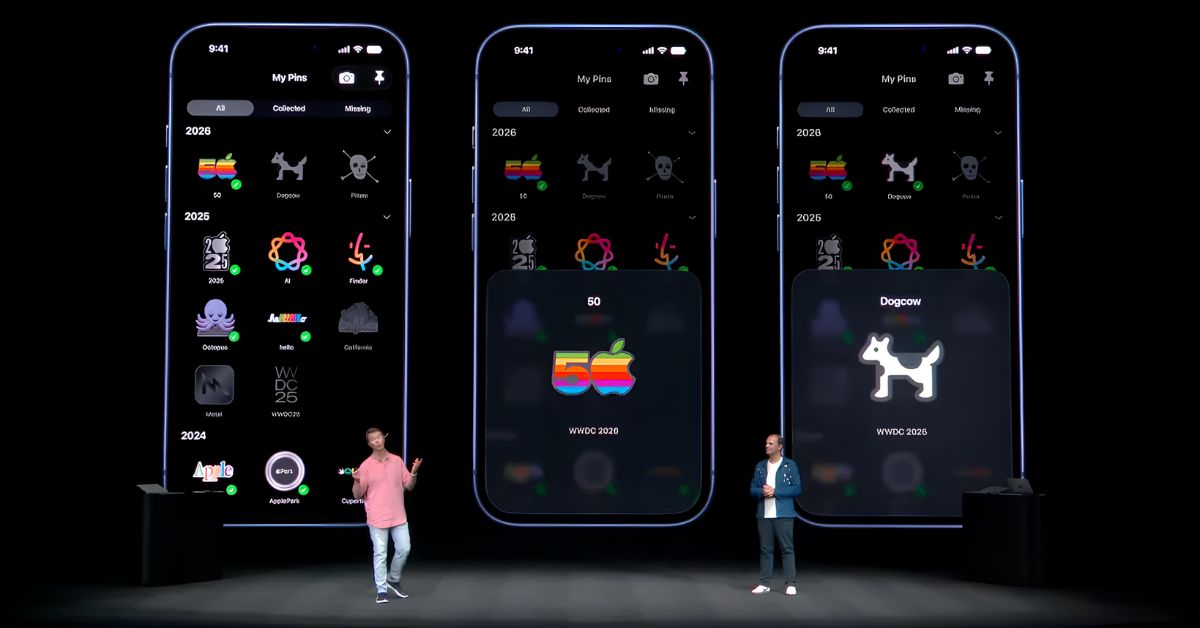
One of the session’s biggest highlights is a 20-minute demonstration in which presenters create an entire app from a single prompt before refining it through a series of follow-up instructions.
The resulting WWDC badge tracker app includes 3D animations, holographic effects, and Visual Intelligence integration, showcasing how Apple’s latest AI tools can handle a significant portion of the planning, design, and development process.
The demonstration also introduces new capabilities in Xcode 27. The AI-powered development tools can ask clarifying questions, suggest follow-up prompts, and help map out an entire project before developers write a single line of code.
The presentation suggests Apple is moving toward a future where AI becomes a core part of the software development workflow rather than simply an assistant for writing code.
Siri AI, Foundation Models, and a trillion-parameter demo
The session goes beyond app creation and explains how developers can integrate the new Siri AI into their applications through Apple’s latest frameworks.
Apple also provides a closer look at the Foundation Models framework, which gives developers direct access to Apple Intelligence capabilities while maintaining privacy and on-device processing where possible.
The company demonstrates how Foundation Models work alongside the new Core AI framework and the upgraded MLX framework. Together, these technologies add support for third-party AI models and provide developers with greater flexibility when building AI-powered experiences.
The presentation concludes with one of the most impressive technical demonstrations of the session: a 1-trillion-parameter Kimi 2.6 model running locally in LM Studio across four Mac Studio systems connected through RDMA-over-Thunderbolt, the low-latency networking technology introduced with macOS Tahoe 26.2.
A glimpse at the future of Apple Intelligence
While the session is primarily designed for developers, it also offers a preview of where Apple Intelligence is headed beyond Apple’s own apps and services.
From AI-assisted app creation to deeper Siri integrations and support for third-party AI models, the presentation makes it clear that Apple wants developers to play a major role in expanding its AI ecosystem.
As these tools become available, users can expect to see more intelligent, personalized, and AI-powered experiences across the App Store.
If you’re interested in Apple’s long-term AI roadmap, this WWDC26 session provides one of the clearest looks yet at how the company plans to bring Apple Intelligence to developers and third-party applications.
Which WWDC26 AI feature are you most excited to see in future apps? Let us know in the comments below.