
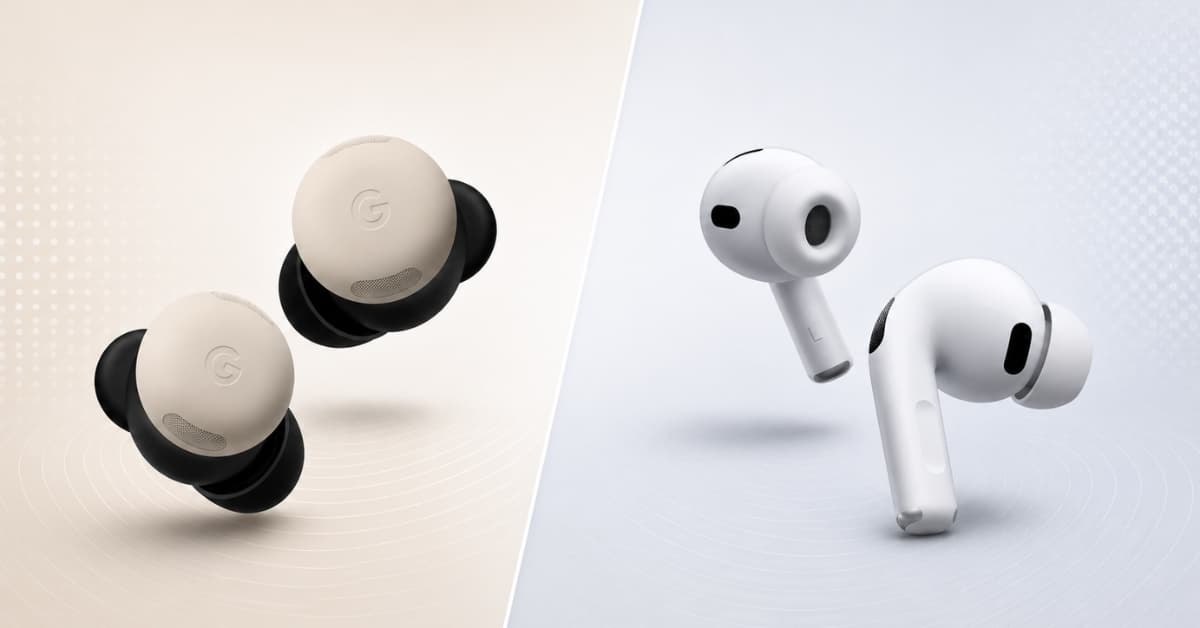
Premium wireless earbuds have become incredibly good, making it harder than ever to choose between them. The Google Pixel Buds Pro 2 and Apple AirPods Pro 3 are two of the biggest names in the market, promising excellent sound, powerful noise cancellation, smart features, and all-day comfort.
But specs only tell part of the story. For everyday use, what really matters is how these earbuds feel when you’re commuting, taking calls, working out, listening to music, or simply wearing them for hours. So, in this Pixel Buds Pro 2 vs AirPods Pro 3 comparison, I’ll focus on the differences that actually matter. So, you can decide which one you should buy.
Pixel Buds Pro 2 vs AirPods Pro 3: Quick comparison
| Feature | Google Pixel Buds Pro 2 | Apple AirPods Pro 3 |
|---|---|---|
| Best for | Android and Pixel users | iPhone and Apple users |
| Noise cancellation | ANC with Silent Seal 2.0 | Advanced Active Noise Cancellation |
| Chip | Google Tensor A1 | Apple H2 |
| Sound | 11mm custom dynamic driver | Custom Apple driver and Adaptive EQ |
| Battery (ANC on) | Up to 8 hours, 30 hours with case | Up to 8 hours, 24 hours with case |
| Fast charging | 5 minutes for up to 1.5 hours of listening | 5 minutes for around 1 hour |
| Voice features | Gemini and Gemini Live integration | Siri, Voice Isolation and Live Translation |
| Water resistance | Earbuds: IP54 and Case: IPX4 | Earbuds and case: IP57 |
| Health | Hearing wellness | Hearing Aid, Heart rate sensing for workouts |
| Connectivity | Bluetooth 5.4 with Super Wideband | Bluetooth 5.3 with second-gen Ultra Wideband |
On paper, this looks surprisingly close. In real life, though, these two earbuds feel very different.
Pixel Buds Pro 2 vs AirPods Pro 3: What’s the actual difference I felt
The easiest mistake when comparing premium earbuds is obsessing over tiny technical differences. A bit better noise cancellation, an additional hour of battery life, or a slightly upgraded Bluetooth. The truth is that most people will not be able to spot these differences.
What you will notice is friction. That’s where the Pixel Buds Pro 2 vs AirPods Pro 3 comparison gets interesting.
Design and everyday comfort
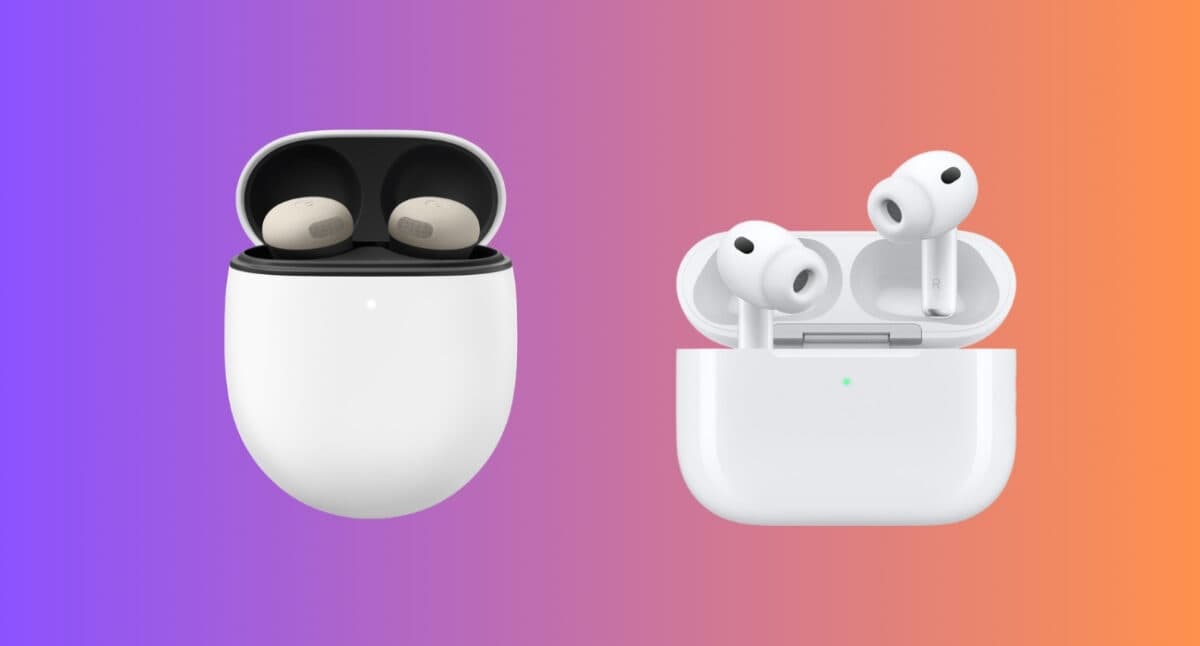
The Pixel Buds Pro 2 take a refreshingly practical approach to comfort. Google redesigned them to be smaller and lighter than their predecessor, and the twist-to-adjust stabilizer is one of those features that sounds minor until I actually used it throughout the day.
Working at a desk? Keep the fit relaxed. Heading to the gym? Twist them for a more secure hold. That flexibility gives the Pixel Buds Pro 2 a personality that feels unusually practical.
Google also offers four ear tip sizes, and the compact design was developed using extensive ear-shape data. The result is a pair of earbuds clearly designed around long-term wear rather than simply looking futuristic.
The AirPods Pro 3 take a different route. Apple’s design remains instantly recognizable, but Apple has expanded fit options with five ear tip sizes, including XXS. I use the built-in Ear Tip Fit Test to find the right eartip for the best sound and noise cancellation.
If you’ve historically struggled to find earbuds that seal properly, more tip sizes and a fit test can make a bigger difference than a new audio codec ever will.
My take: For everyday movement, workouts, and people who constantly adjust their earbuds, I prefer the Pixel Buds Pro 2 approach.
Sound quality
Here’s where I think the conversation gets unnecessarily tribal. People often want one simple answer: Which one sounds better, Pixel Buds Pro 2 or AirPods Pro 3? However, at this stage, premium earbuds have advanced to the point where it is all about the kind of music you listen to.
The Pixel Buds Pro 2 use custom 11mm dynamic drivers, with Google emphasizing powerful bass, richer mids, and smoother treble. There’s also spatial audio with head tracking and a 5-band EQ for people who actually want to customize their sound. Whenever I want more bass, cleaner vocals, or a flatter sound, I have more room to experiment.
The AirPods Pro 3 take the opposite approach. Apple’s strength has always been tuning for consistency. The custom driver, Adaptive EQ, and Personalized Spatial Audio are designed to deliver a polished sound without requiring you to spend 20 minutes moving sliders.
And honestly, that’s probably what most people want. I simply put them in, press play, and they sound good. However, in response to user requests, Apple has finally added custom EQ settings to AirPods in iOS 27.
My take: If I were recommending earbuds to an everyday listener who doesn’t care about EQ, codecs, or audio settings, I’d lean toward the AirPods Pro 3.
Active Noise Cancellation and Transparency Mode
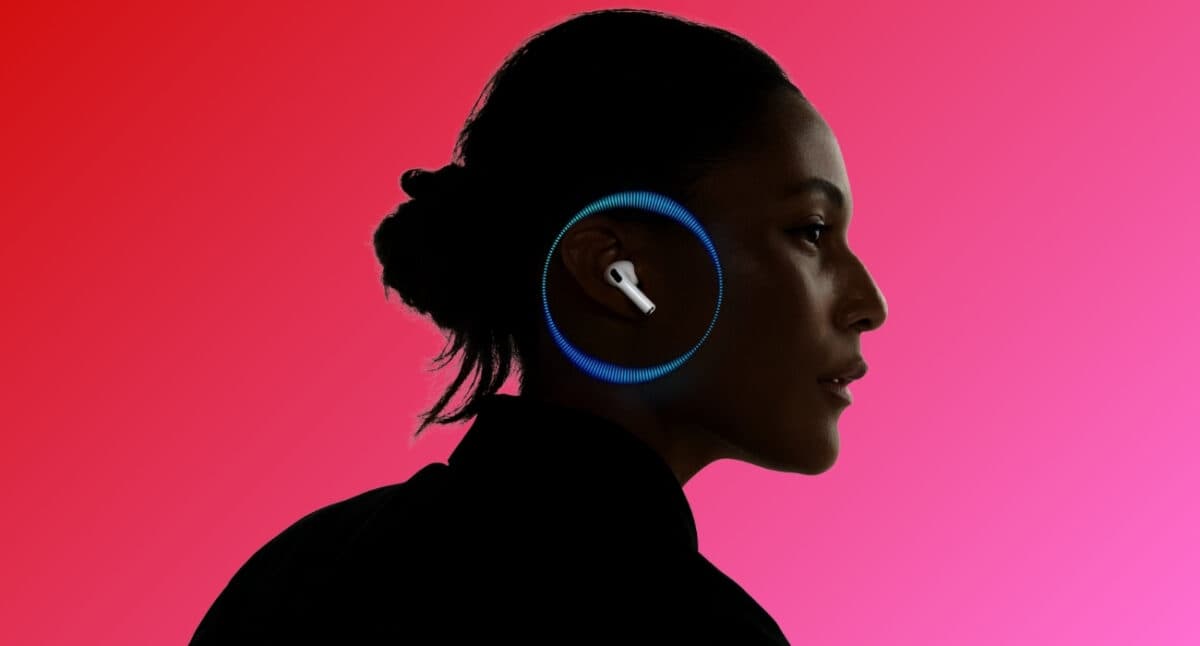
This is where premium earbuds earn their price.
The Pixel Buds Pro 2 use Google’s Silent Seal 2.0 technology alongside the Tensor A1 chip. Its Adaptive Audio dynamically reduces environmental noise while maintaining awareness of what’s happening around you. Google also introduced Dynamic ANC, which adjusts noise cancellation in response to small changes in the earbud seal.
The AirPods Pro 3 combine Active Noise Cancellation with Adaptive Audio and Transparency Mode, and I really like Conversation Awareness, which reduces the music when I am talking to someone. In addition to the software features, the acoustic architecture and foam-infused ear tips enhance passive isolation.
Both are clearly designed to do more than simply offer an ON/OFF ANC switch. And that’s important.
My take: Apple wins the “set it and forget it” experience.
Call quality and voice features
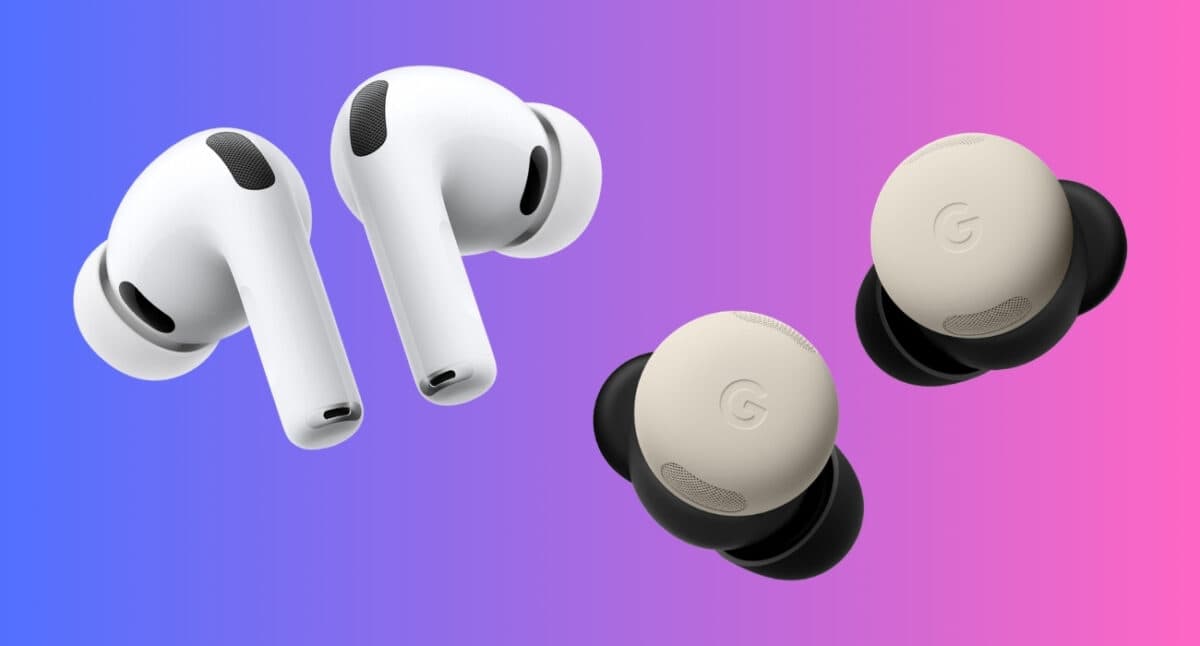
This category matters far more than people admit. We all imagine ourselves buying premium earbuds for music. Then reality happens. Zoom calls, family calls, random meetings, voice notes.
The Pixel Buds Pro 2 come prepared for this chaos with beamforming microphones, wind-blocking mesh, Clear Calling, Conversation Detection, and AI-assisted voice processing. Google has also leaned heavily into Gemini integration. You can ask it to enable Active Noise Cancellation or change the sound profile.
The AirPods Pro 3 fight back with Voice Isolation, studio-quality audio recording, and microphones that also work closely with Apple’s computational audio features to improve voice clarity.
Beyond calls, Siri makes everyday tasks hands-free. Apple Intelligence also expands the experience with smarter Siri interactions and Live Translation,
My take: AirPods Pro 3 are best if you take calls on busy streets or in crowded spaces.
Battery life and charging
Battery specs are easy to ignore until the day your earbuds die halfway through a flight. Then suddenly, battery life becomes the most important feature in the world.
The Pixel Buds Pro 2 offer up to 8 hours of listening time with ANC enabled and up to 30 hours with the charging case. Without ANC, I could use them for up to 2 days on a single charge.
The AirPods Pro 3 also offer up to 8 hours of listening time with ANC enabled, but Apple’s case provides up to 24 hours of total listening time with ANC.
That’s a meaningful win for Google. Both support quick wired charging and Qi wireless charging. The AirPods Pro 3 also offer greater charging flexibility, as the case works with MagSafe chargers, Apple Watch chargers, and Qi-certified chargers.
My take: Pixel wins the battery battle.
Ecosystem features: Gemini vs Siri and Apple Intelligence
Both are deeply connected to their respective ecosystems, but Google and Apple are taking noticeably different approaches.
With Gemini integration, the Pixel Buds Pro 2 can act as a hands-free gateway to Google’s ecosystem. I heavily depend on Gemini to brainstorm ideas with Gemini Live, manage tasks, add notes to Google Keep, schedule events in Google Calendar, and reply to messages without constantly reaching for my phone.
You can ask Gemini to adjust settings, such as enabling ANC or changing audio preferences, using just your voice. Moreover, Live Translate helps communicate in different languages in real time, and integration with Pixel Watch sleep detection pauses audio, disables touch controls, and silences notifications when you fall asleep.
The AirPods Pro 3 take a more ecosystem-focused approach. Siri lets you handle calls, messages, notifications, music, and everyday requests without touching your iPhone, while Apple Intelligence aims to make those interactions smarter and more context-aware.
Features such as Live Translation also expand what the AirPods can do, while Apple’s tight integration means everything works naturally across your iPhone and other Apple devices. The experience feels less like actively talking to an AI assistant and more like having technology quietly working in the background.
My take: If you want conversational AI and hands-free productivity, the Pixel Buds Pro 2 have the edge. But I am already invested in Apple’s ecosystem, so the AirPods Pro 3 remain hard to beat.
Fitness and daily lifestyle features

This category produced one of the more interesting surprises for me.
The Pixel Buds Pro 2 are clearly designed for movement. The twist-to-adjust stabilizer is practical, the earbuds are sweat- and water-resistant, and the secure fit makes them appealing for workouts.
But Apple has added something unexpected to the AirPods Pro 3: heart rate sensing during workouts. That changes the conversation. Your earbuds are now becoming part of your fitness ecosystem. The question is whether you actually need that feature.
Personally, I think that depends on what you’re already wearing. If you own an Apple Watch, the heart rate sensor in the AirPods Pro 3 may feel redundant. However, if you’re exercising without a smartwatch, it becomes more interesting. Moreover, it offers an FDA-approved Hearing Test and Hearing Aid feature for users with mild-to-moderate hearing loss.
My take: Pixel wins for fit; AirPods win for features.
Price and value for money
Price is one area where the difference is simple: the Pixel Buds Pro 2 cost $229, while the AirPods Pro 3 cost $249. That’s only a $20 gap, but value isn’t just about buying the cheaper earbuds.
For $229, the Pixel Buds Pro 2 are a really good buy for Android users looking for features like excellent ANC, battery life, integration with Gemini, Live Translate, and customizable audio controls.
The AirPods Pro 3 cost slightly more at $249, but Apple justifies the premium with deep ecosystem integration, advanced health features, seamless device switching, and Apple Intelligence-powered experiences.
My take: Pixel Buds Pro 2 for value, AirPods Pro 3 for Apple users.
Final verdict: Which should you buy?
After comparing the Pixel Buds Pro 2 vs AirPods Pro 3 from an everyday-use perspective, I don’t think there is a universal winner.
But I do think there is a clear answer for most people.
Buy the Pixel Buds Pro 2 if you:
- Use a Pixel or Android phone
- Want stronger total battery life
- Prefer a more secure fit for workouts
- Like customizable sound with EQ controls
- Interested in Gemini and AI features
- Want premium ANC without being locked into Apple
Buy the AirPods Pro 3 if you:
- Use an iPhone and other Apple devices
- Want the most seamless connectivity experience
- Value intelligent, automatic audio features
- Want advanced health and fitness features
- Prefer earbuds that require almost zero setup or management
My opinion: The AirPods Pro 3 are the better everyday earbuds for iPhone users. But for Android users, the Pixel Buds Pro 2 are the smarter buy. They’re comfortable, powerful, customizable, and battery-friendly.
You may like to read: AirPods 5 vs AirPods 4: Which one should you buy?