
On April 16, Nvidia started rolling out GeForce Now early access for select players on a ‘first come, first serve’ basis. Since then, the Indian gaming community has been abuzz with discussions around its initial performance, the viability of cloud gaming in the country, and the long-term impact of such services on the industry.
GeForce Now’s early access arrival ended a long wait for Indian gamers, who have had their patience tested by the world’s most valuable company over the past year or so. First announced to come out in early 2025, Nvidia’s cloud gaming service faced multiple setbacks, which moved its expected arrival initially to late 2025 and then to March 2026, before finally kicking off its journey in India earlier this month.
To make sure you don’t miss out on anything important, check out this comprehensive guide about everything you’d want to know about GeForce Now.
Nvidia GeForce Now India launch and availability
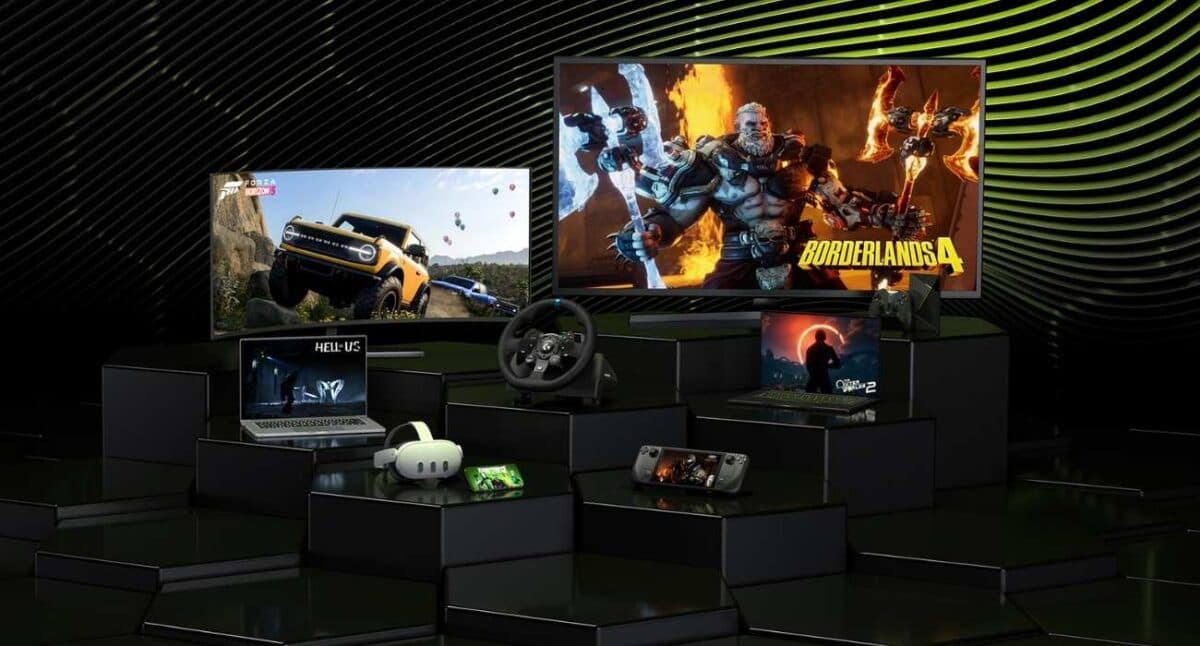
GeForce Now is currently in early access and thus only available to a limited pool of users in the country. The invitations for the service’s ongoing closed beta period are being sent to registered users on a ‘first-come, first-served’ basis. Its servers right now are only operational in Mumbai, which is to say that, while Nvidia’s cloud offering is available pan-India, the best experience would understandably be available to those closer to the servers.
To register and get in line for an early access pass, you can visit the GeForce Now page on Nvidia’s official website, click on “Notify Me” or “Join Waitlist”, and complete the registration process by creating an account and picking a tier (purchase for paid tiers to be completed at the time of allotment).
Once it’s your turn in the queue, you’ll receive an email prompting you to proceed with the non-refundable purchase of your preferred plan within one week. After this period has elapsed, the invitation will be passed on to the next registered user in line.
Nvidia GeForce Now India price and tiers
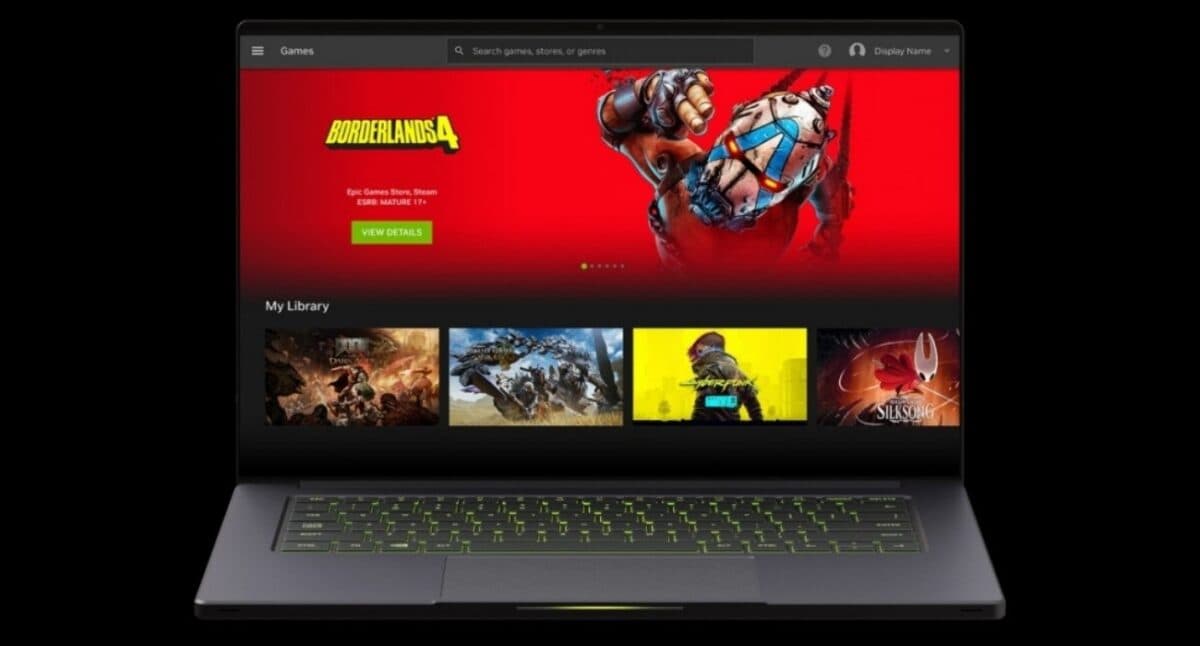
Interested players can pick from three different GeForce Now tiers, namely Free, Performance and Ultimate, the latter two of which are up for grabs for a limited-time price of ₹999 and ₹1,999, respectively. However, the free tier, which is ad-supported, doesn’t have a waitlist option at the time of this writing.
Both the currently available tiers are 90-day subscriptions and offer access to over 4,000 games without any ads. While the Performance tier lets you stream from systems powered by any RTX family card, the Ultimate tier lets you stream from an RTX 4080-powered system, which is the second most powerful series of RTX GPUs, only behind the RTX 5000 series.
Given the hardware differences between the two tiers, the visual quality and FPS performance will also be different for each. Those on Performance can expect a 1440p 60 FPS gameplay experience, whereas Ultimate subscribers can take advantage of the more powerful systems and enjoy a 5K 240 FPS gaming session.
Although there are no limit on the number of GeForce Now sessions in a day, those on the cheaper tier are restricted to a total of six hours and those on the expensive tier are limited to eight hours of access. On top of that, Ultimate tier subscribers will also have a shorter waiting time compared to those on the tier below.
It is also worth pointing out that once you opt for a GeForce Now tier, you can’t downgrade or upgrade it later until the subscription ends. Moreover, these tiers can’t be set for auto-renewal either, meaning subscribers will have to manually purchase tier access once again after it ends.
GeForce Now games library
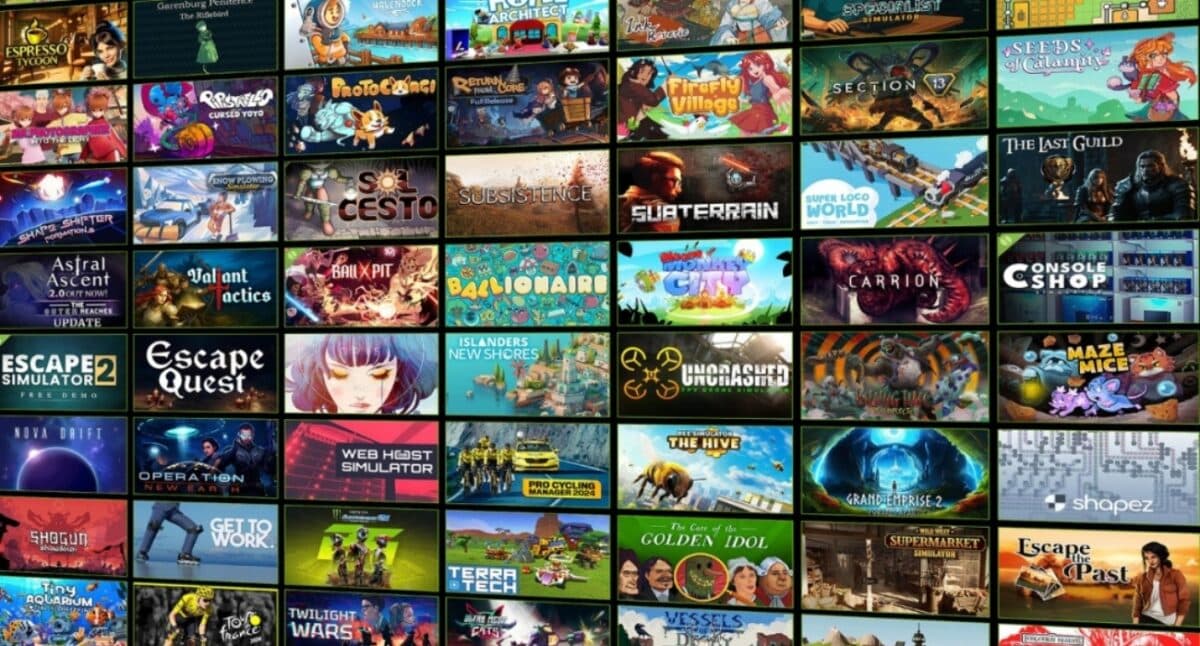
GeForce Now provides subscribers access to the games they already own on Steam, Epic Game Store, GOG, Xbox Game Pass, Ubisoft Connect, EA app, and Battle.net. They can link their storefront account with Nvidia’s service to play owned games on the cloud. However, for the early access phase at least, there won’t be any carryover of save data from those games after the 90-day subscription ends.
Among the games supported by GeForce Now, there are ready-to-play games and install-to-play games. The former group mainly includes highly popular titles, such as Fortnite, that you can launch without any downloads involved, whereas the latter consists of titles that you must download and install to Nvidia’s servers before you can cloud stream them.
After each session of an install-to-play game, the data is erased, requiring you to install it again next time. To avoid this, you can make an add-on purchase of 200 GB persistent storage via GeForce Now. It’s also worth noting that both paid tiers come with single-session storage support for up to 100 GB, which means that only those install-to-play games that are within the allowed size will be playable.
GeForce Now full launch date
This one’s going to be a straightforward answer: TBA. There has been no new announcements about Nvidia GeForce Now’s full launch window in India. Given that there is currently only a singular server location in the country, it may be safe to assume there is some significant time left, from several months to years, before the service sees a full-scale release.
Community reacts to GeForce Now India beta launch
As more Indian players are getting access to GeForce Now’s closed beta, there has been a surge in social media posts sharing users’ first impressions of the cloud service. And, the spectrum of reactions has so far included everything from satisfaction with Nvidia’s offering to doubts about what the move entails for the future of gaming.
On Reddit, one early access user described his experience streaming Pragmata via GeForce Now as “amazing” and shared that they were able to stream the game at 2K quality at max settings “without any hiccups.” On the other hand, a different Reddit user shared that the streaming video quality was noticeably behind native video quality and also said that the latency made the game feel “far heavier.”
Across both posts, there were several users in the comments concerned with what the advent of such cloud gaming services mean for the long-term future of hardware and software ownership. The section was filled with quite a few grim takes about future price hikes, dependency on cloud services, and the potential Netflix-ification of games, hurting ownership in the future.
Other cloud gaming options in India
If you’re not willing to be part of the beta test audience for Nvidia, there are a few different cloud gaming options available in the country in an official capacity. Among the mainstream ones are Xbox Cloud Gaming (launched recently in November 2025) and JioGames Cloud. Other smaller Indian cloud gaming vendors are AntCloud and OnePlay.
All the aforementioned alternatives have server locations in the country. While options like Boosteroid may also be accessible for Indian users, such platforms usually don’t have a local cloud server and thus may not offer an optimal gaming experience.