
How to Mute Yourself or Others on FaceTime
Can you mute someone in FaceTime? Learn what’s possible, plus smart ways to control audio and stop interruptions during calls.

Ever been on a FaceTime call where someone’s background noise or constant interruptions steal all the attention? It happens to everyone. The good news is that FaceTime gives you simple controls to keep your calls calm and distraction free.
In this guide, you’ll learn how to mute someone in FaceTime using practical workarounds so you can stay focused on the conversation that matters. I’ll also walk you through the steps to mute FaceTime calls and notifications.
Can You Mute Someone in FaceTime?
Let’s start with the basics. Unfortunately, FaceTime does not allow you to mute another person directly. Apple designed the app so that each participant controls their own microphone settings.
Here’s what you can do:
- Mute yourself so others cannot hear you
- Lower your device volume
- Use system audio controls
- Silence incoming calls and notifications
In group FaceTime calls, the app automatically highlights the person who is speaking. However, audio control still depends on each participant managing their own microphone.
How to Mute Yourself in FaceTime on iPhone, iPad, and Mac
Muting yourself in FaceTime is quick and easy once you know where to look.
On iPhone and iPad
- During a FaceTime call, tap the screen to show call controls.
- Tap the microphone icon.
- The icon will show as crossed out, confirming your microphone is off.
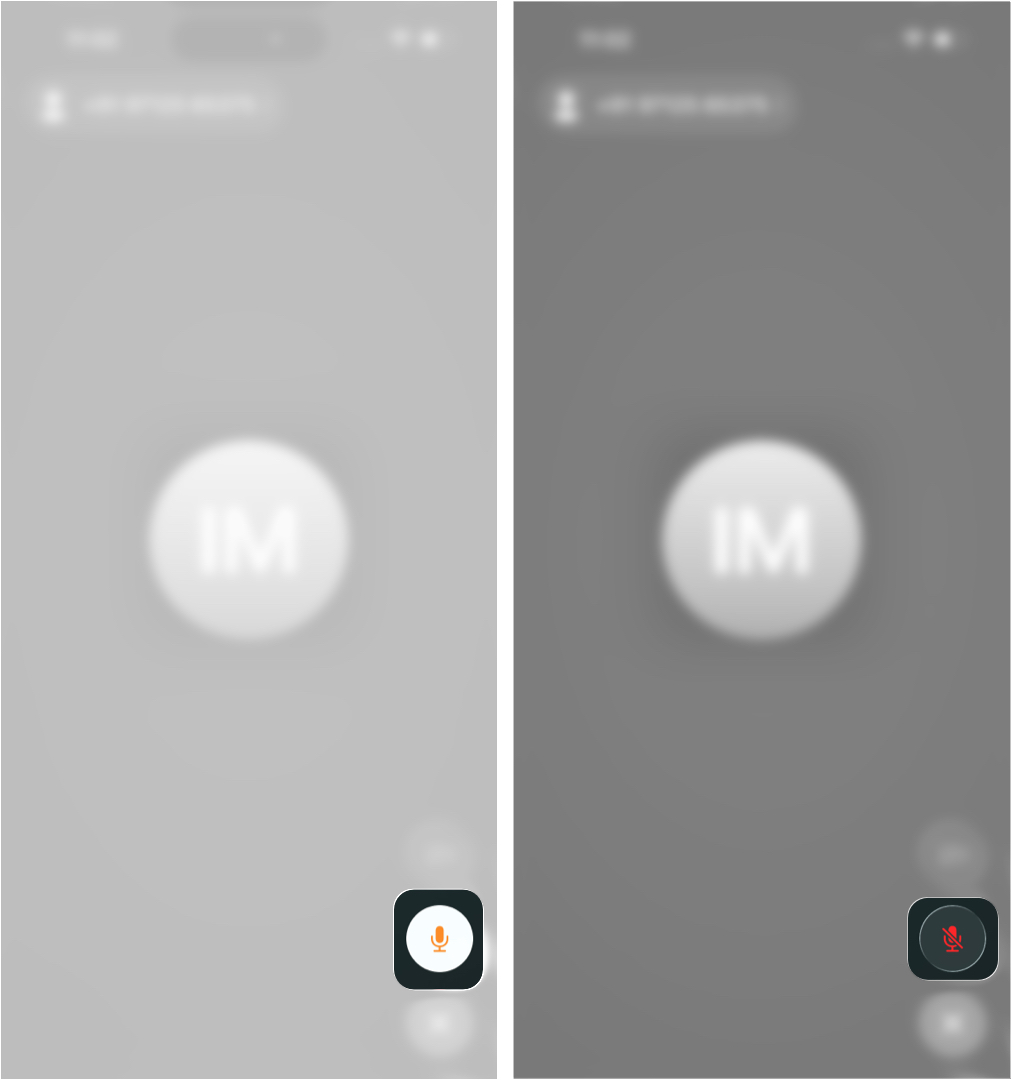
Since the iPad uses the same FaceTime interface as the iPhone, the steps are identical. The other person can still see you during a video call, but they will not be able to hear you. They also will not receive any notification that you muted yourself.
If you try to speak while muted, your iPhone will detect your voice and show a prompt indicating that your microphone is off. Simply tap the microphone icon again to unmute.
This works the same way for both video calls and audio only FaceTime calls. It is especially useful during meetings and group calls. If you are in a noisy environment, open Control Center during the call, tap FaceTime, and select Voice Isolation to reduce background noise.
Related: How to Turn On Voice Isolation on iPhone
On Mac
- During a FaceTime call on Mac, move your cursor over the FaceTime window.
- Click the Mute button (microphone icon).
- Click it again to unmute.

If you are using AirPods, headphones, or an external microphone, muting in FaceTime will still control your audio input.
You can also enable Voice Isolation on your Mac to make your voice clearer and minimize background noise.
How to Mute Someone Else on FaceTime on iPhone, iPad, and Mac
If you are in public, it can feel awkward to keep your FaceTime call loud and audible. Since you cannot mute other participants directly, the only true solution is to ask them to turn off their microphone if there is excessive background noise.
If you simply do not want to hear the other person without letting them know, here are your options:
- Lower the volume using your iPhone or iPad side volume buttons during the call. On a Mac, press the F10 key to mute the output volume.
- Switch the audio output to AirPods or headphones and set them aside so you no longer hear the call.
In group FaceTime calls, conversations can become noisy when multiple people talk at once. FaceTime helps by automatically focusing on the person who is speaking, but overall audio levels remain under your control.
How to Silence FaceTime Calls on iPhone, iPad, and Mac
Sometimes you do not want to mute audio during an active call. Instead, you may want to silence incoming FaceTime calls or notifications so they do not interrupt your work. Here are a few ways to do that.
Method 1: Mute Incoming Calls
The fastest way to silence FaceTime calls is to use Silent Mode.
On newer iPhones:
- Open Settings and tap Sounds & Haptics.
- Toggle on Silent Mode.
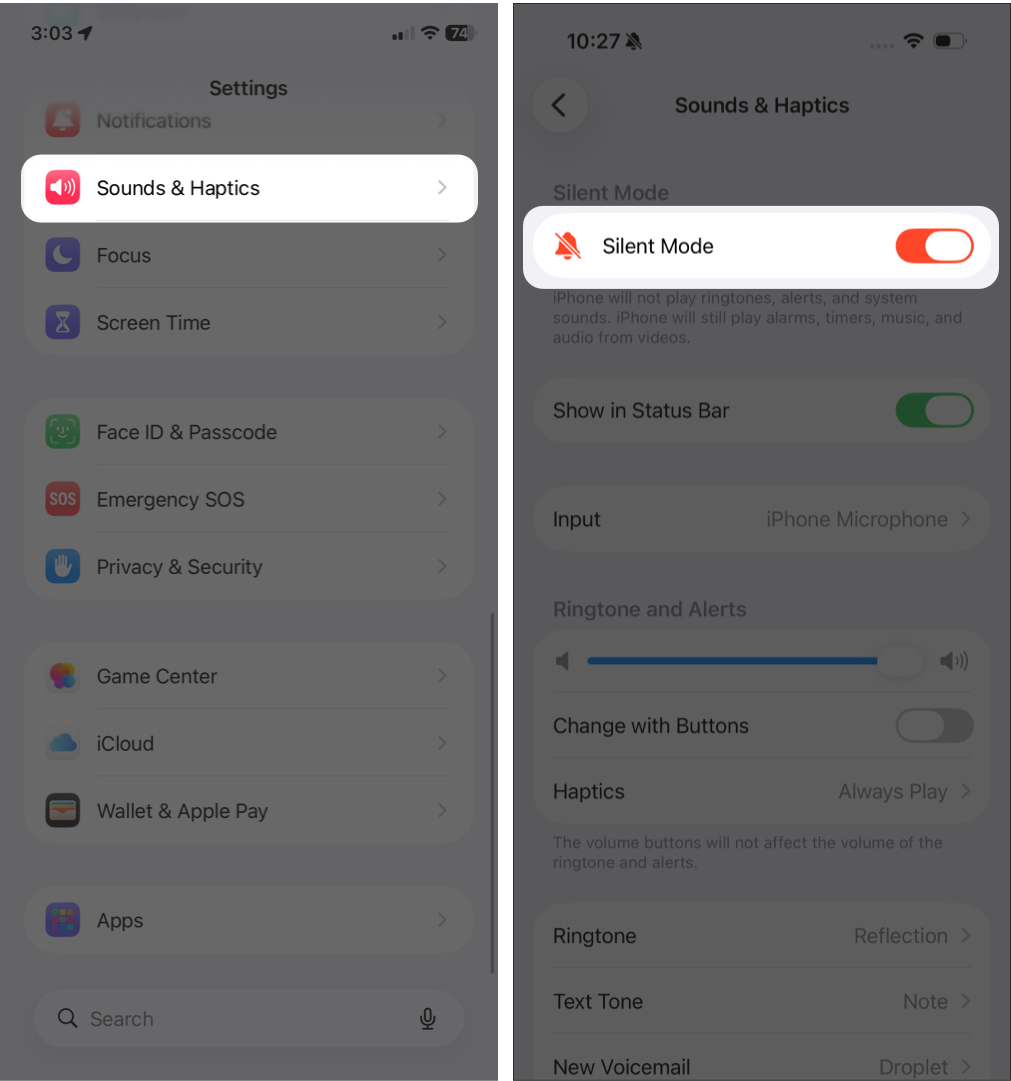
Older iPhones have a physical mute switch on the side. Flip it to enable Silent Mode.
On iPad, press and hold the Volume Down button to quickly reduce sound output.
To stop FaceTime call sounds on a Mac:
- Go to the Apple Menu and select System Settings.
- Click Notifications on the left pane, scroll down, and select FaceTime.
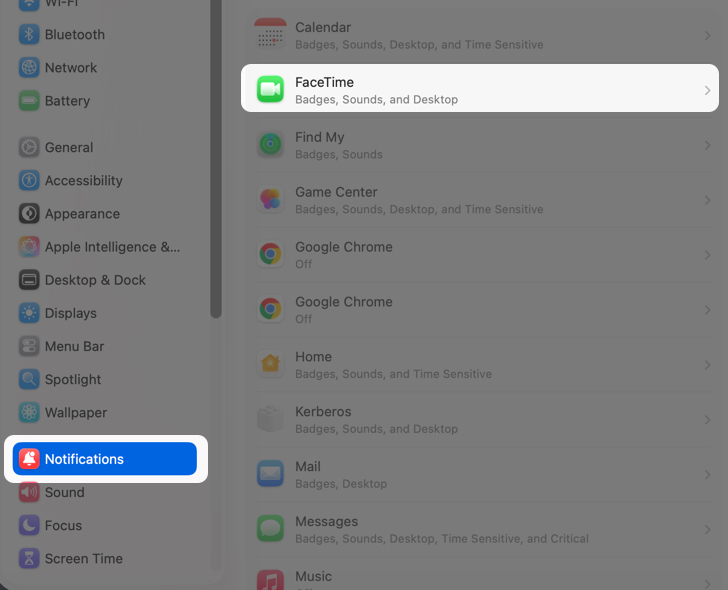
- Toggle off Play sound for notification.
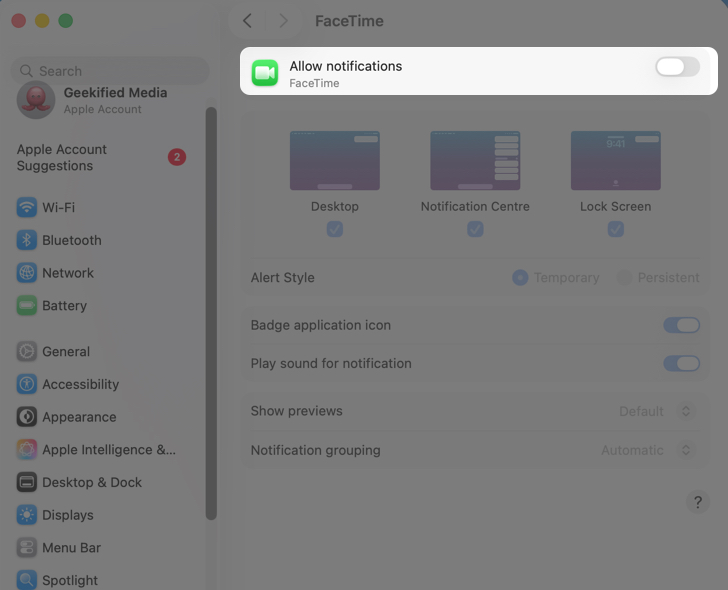
FaceTime calls will still come through, but they will not make a sound.
Method 2: Use Focus Mode
You can also silence calls using Focus mode, including Do Not Disturb.
On iPhone and iPad:
- Open Settings.
- Tap Focus and select Do Not Disturb.
- Select Apps > Silence Notifications From.
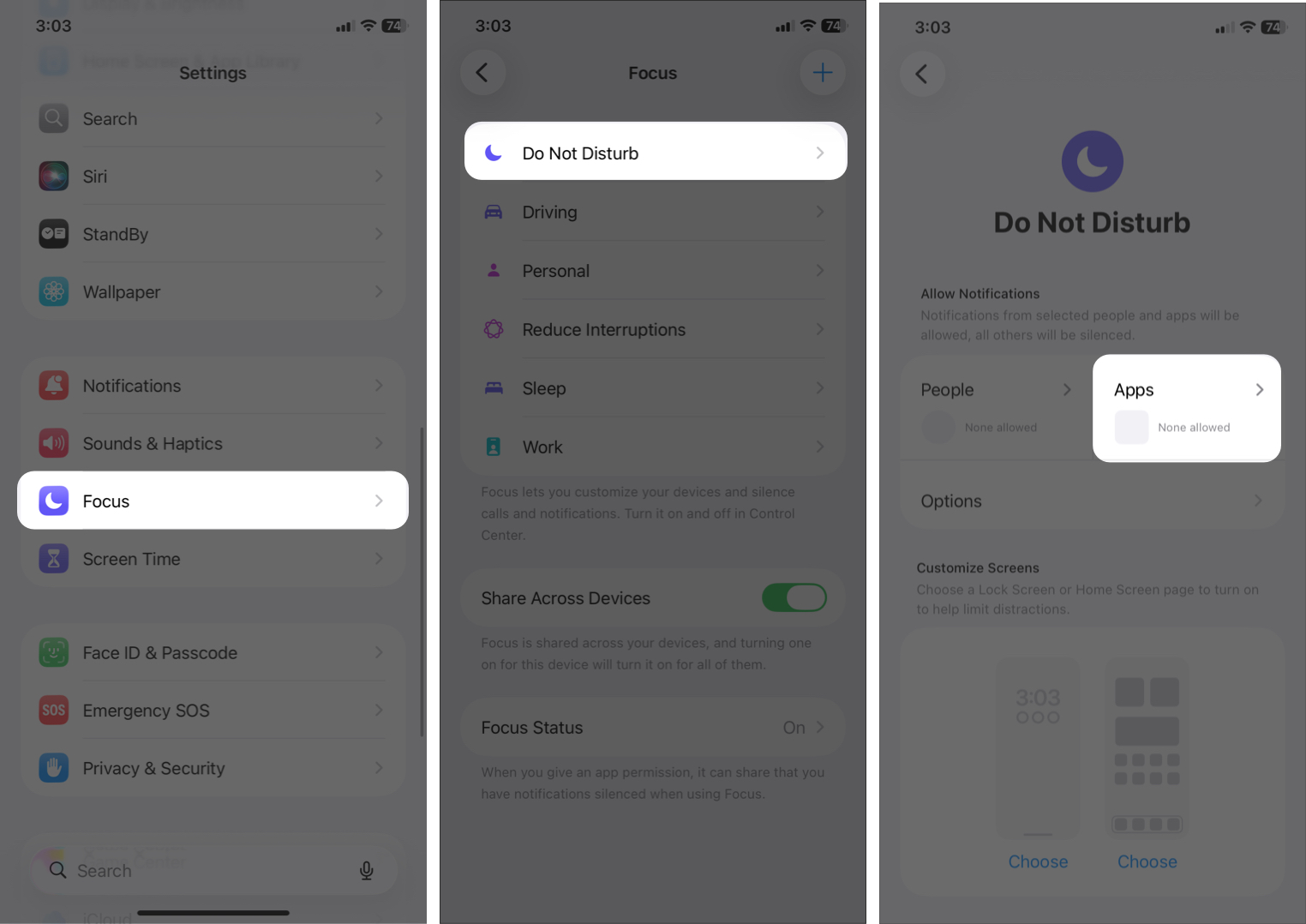
- Tap Add Apps and choose FaceTime. Hit the checkmark.
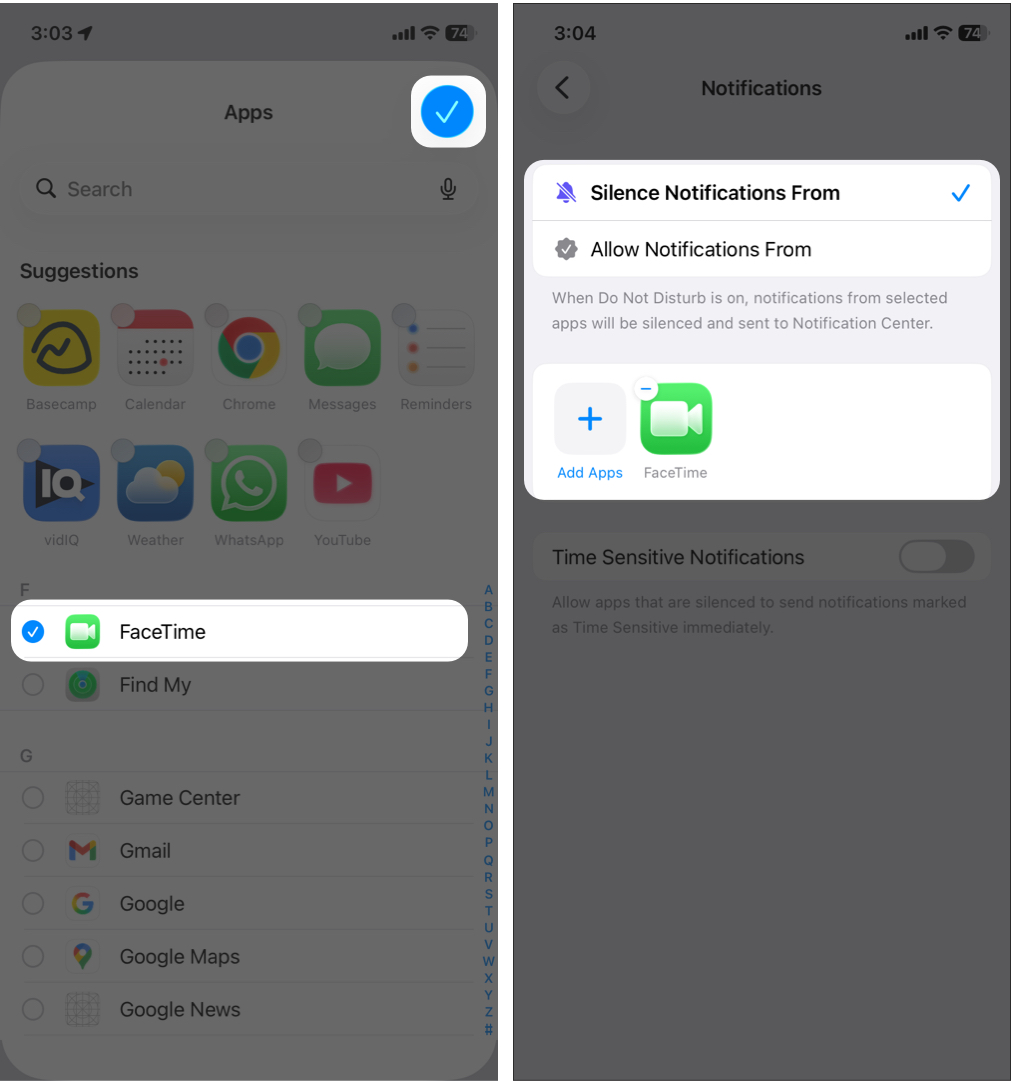
Enable the selected Focus mode whenever needed.
This prevents FaceTime calls from ringing while you are busy. You can set up Focus mode on your Mac as well to silence FaceTime calls and notifications during work hours.
Method 3: Silence Unknown Callers
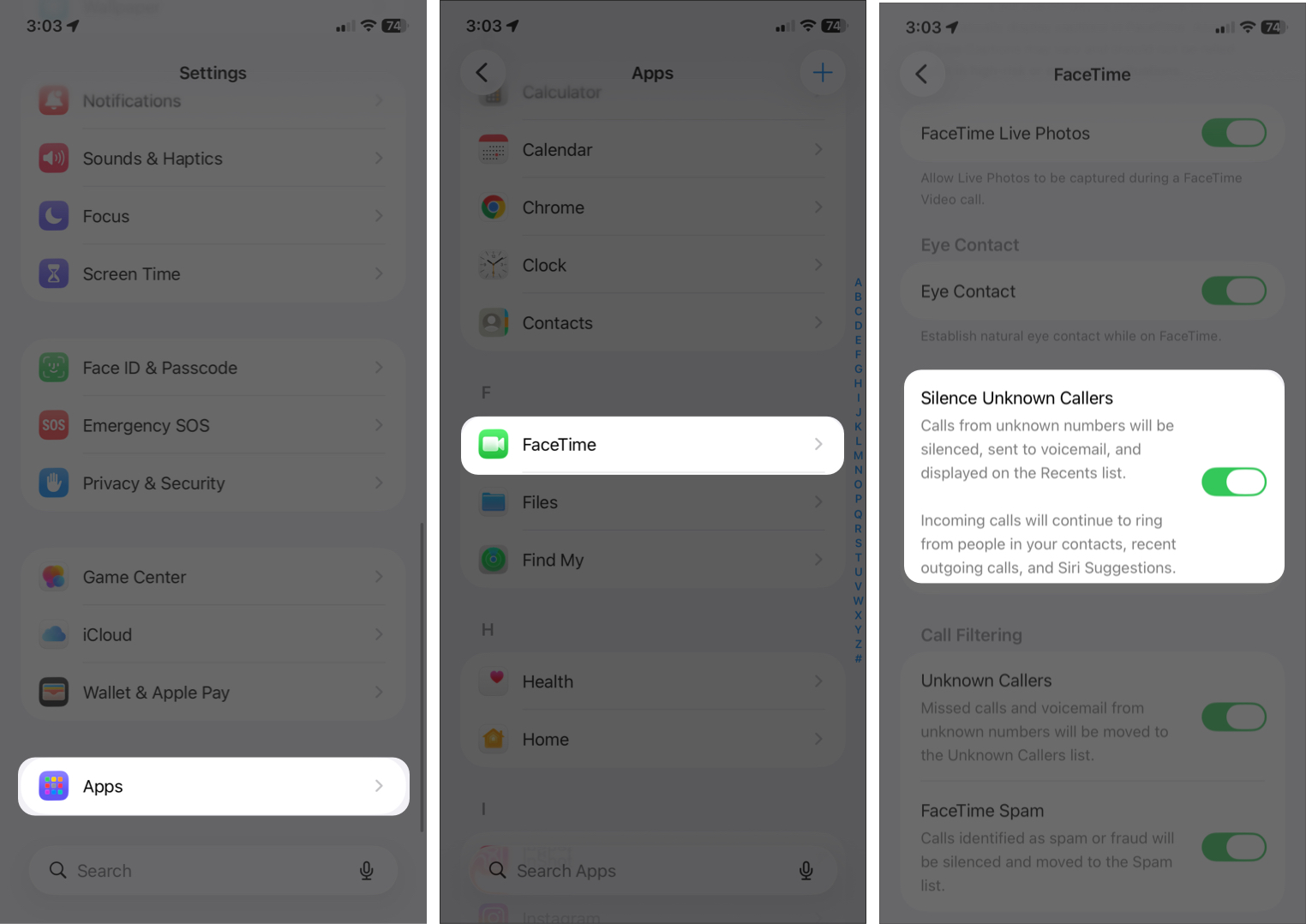
If you want to avoid interruptions from people you do not know, you can enable the Silence Unknown Callers feature for FaceTime. This automatically silences calls from numbers or Apple IDs that are not saved in your contacts.
On iPhone and iPad:
- Open Settings and go to Apps.
- Scroll down and tap FaceTime.
- Toggle on Silence Unknown Callers.
On Mac:
- In the FaceTime app, click FaceTime on the menu bar and select Settings.
- Click FaceTime.
- Look for the Call Filtering section and click the tick box next to Unknown Callers.
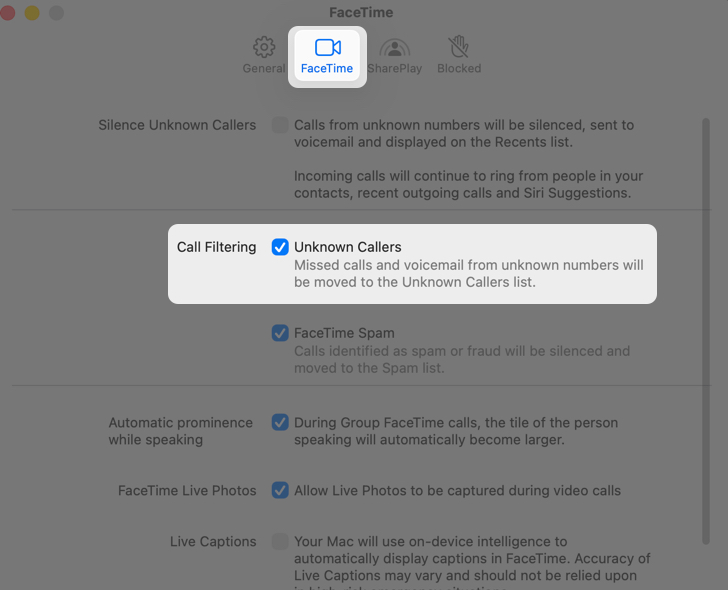
Once enabled, calls from unknown contacts will not ring. Instead, they will go to voicemail and appear under Recents so you can review them later if needed.
Keep Your FaceTime Calls Chaos Free
FaceTime makes video and audio calls simple across Apple devices, and its muting controls help keep conversations clear and distraction free. While you cannot mute another person directly in FaceTime, you can easily mute yourself, manage call audio, and silence incoming calls when necessary.
Now that you know how to mute and silence FaceTime calls, you are in full control of when and how you stay connected.
Topics

Written by
Ava BiswasAva is a die-hard Apple aficionado and seasoned writer with a knack for breaking down complex tech concepts into easily digestible content. Having honed her writing and editing skills over 4 years at renowned media houses like TechBurner, Ava crafts informative and engaging articles including troubleshooting guides, product reviews, editorials at iGeeksBlog. When not typing, you can find her exploring the latest Apple releases or pondering the future of tech innovation.
View all posts →More from How-to
How to Turn Off Location on Snapchat (Step-by-Step Guide)
Want to stop sharing your location on Snapchat? This guide explains how Snapchat location sharing works and shows simple ways to turn off your location using Ghost Mode or phone settings. Stay in control of your privacy in just a few steps.
 VikhyatMarch 5, 2026
Snapchat Parental Controls: How to Set Up Family Center and Keep Your Teen Safe
Snapchat’s Family Center lets parents monitor their teen’s friend activity and screen time without reading private messages. Here’s how to set it up and what to expect.
VikhyatMarch 3, 2026
How to Block and Unblock Someone on Instagram
Instagram lets you block or unblock someone in seconds. Follow these simple steps to take full control of your privacy and online peace.
Ava BiswasMarch 2, 2026