
How to convert slow motion video to normal on iPhone or iPad
If you are wondering how to turn the slo-mo video of your kid blowing the birthday candles or you somersaulting into a normal video on iPhone or iPad, here are the quick steps to do this.

- Convert in Photos App: In the Photos app, tap “Edit” on a slo-mo video and drag the slider to make it normal speed.
- Use iMovie for More Control: For more editing control, import your slo-mo video into iMovie and adjust its speed to normal there.
- Conversion Limitations: Converting to normal speed doesn’t reduce file size. Photos cannot convert a standard video into slo-mo.
- Partial Speed Adjustments: You can precisely control which part of the video plays in slo-mo and which part plays at normal speed.
- Social Media Tip: Consider your social media goals when editing; sometimes the original slo-mo is more engaging than the normal version.
iPhone slow-motion clips recorded at 120 fps or 240 fps are incredible to watch. But depending on your use case and preference, you may want to convert a slow-motion video into a standard clip that plays at a regular speed. So, if you are wondering how to turn the slo-mo video of your kid blowing the birthday candles or you somersaulting into a normal video on iPhone or iPad, here are the quick steps to do this.
How to change slow-motion video to normal speed on iPhone
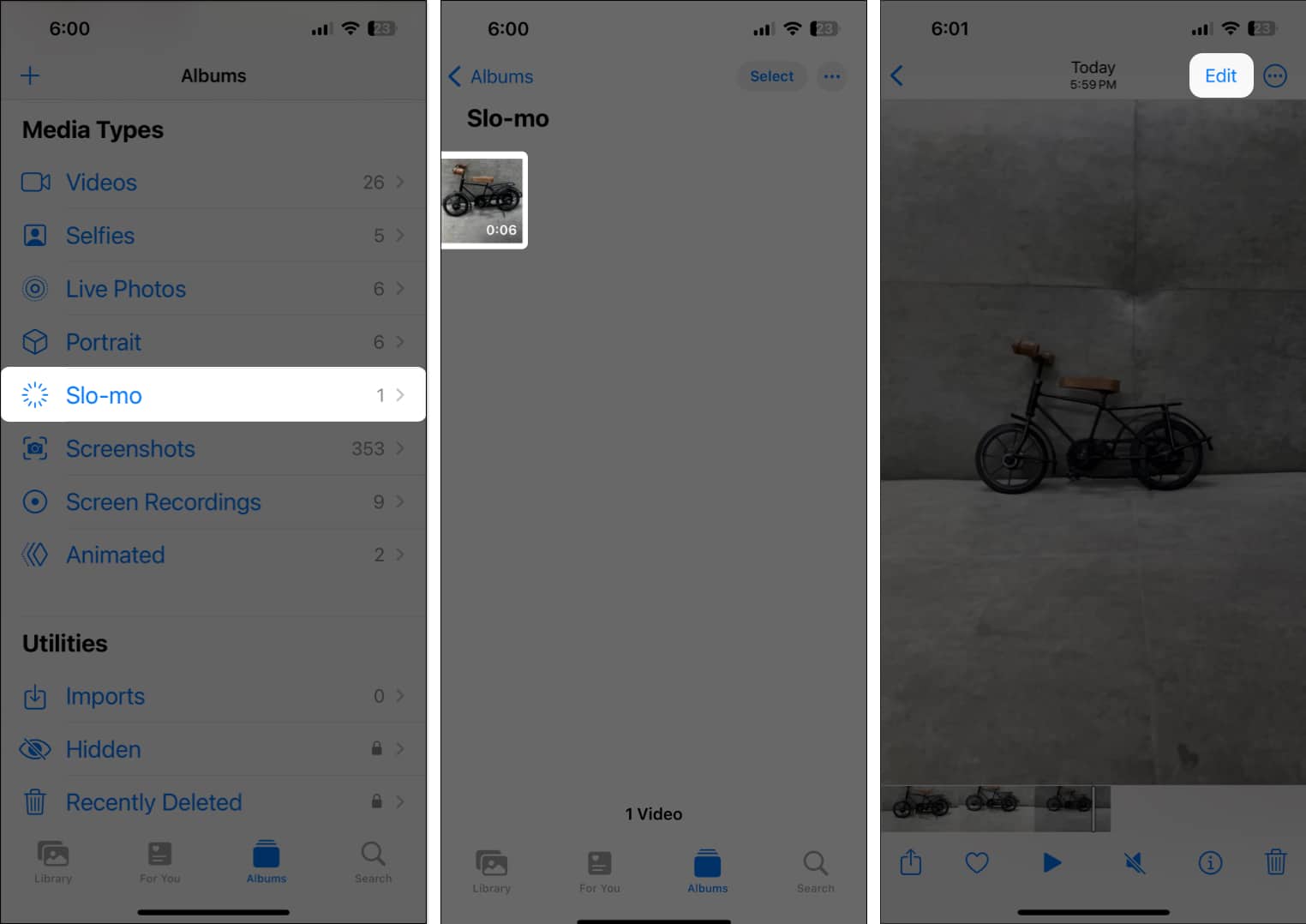
- Launch the Photos app → Go to the Albums tab.
- Scroll down and select Slo-mo under the Media Types label.
- Tap a video to open it in full screen → Tap Edit.
- Tap the slider and drag it towards the other.
All wide-spaced lines will align tightly, denoting that video will now play at standard speeds. - Tap Done to convert the slow-motion video to a standard video.
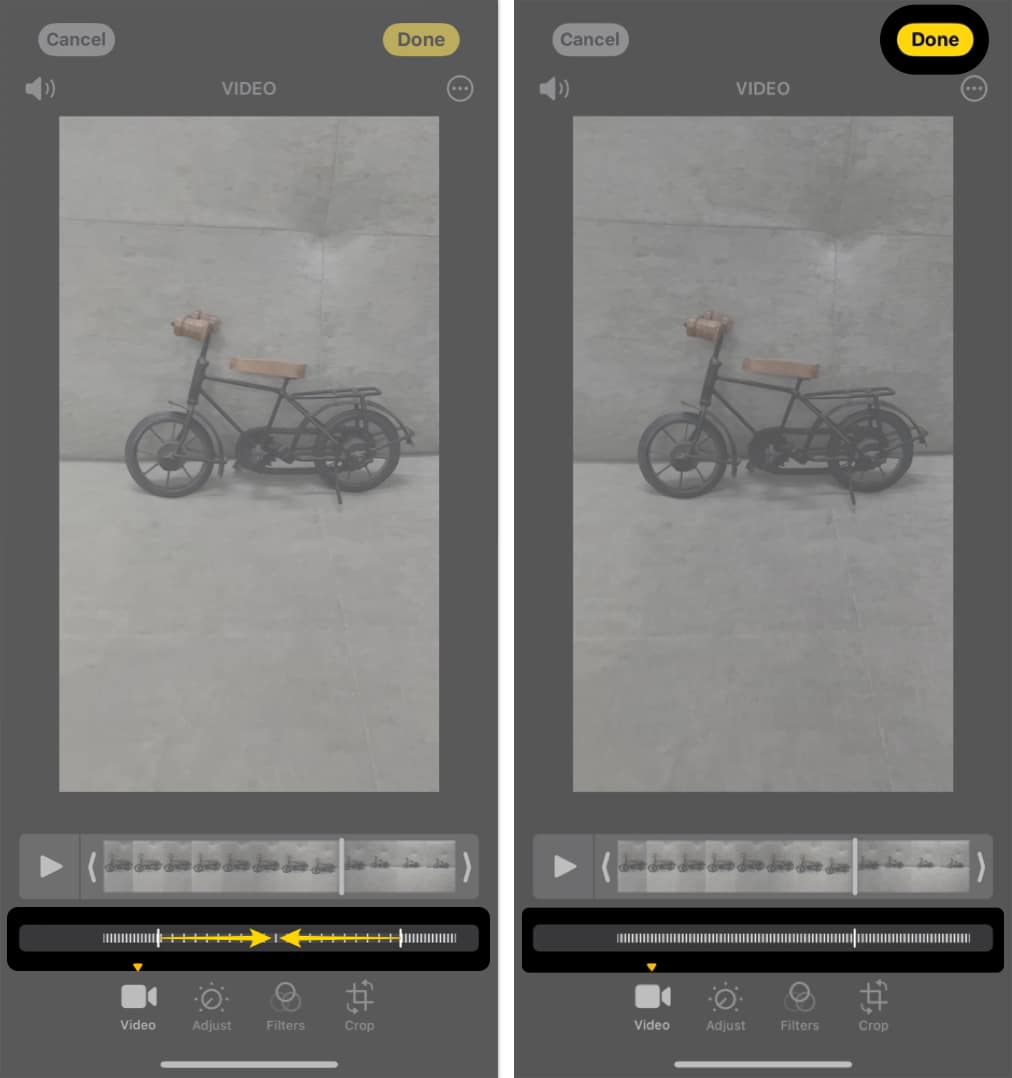
The slow-motion video is successfully converted into a standard video.
Pro tip: You may also use the sliders to specify which portion of the Slo-Mo video you want to play at a slow or normal speed.
If you didn’t like the result of the converted video, you can also revert the video to its original slow-motion state, just tap on Edit → Revert → Revert to Original.
Note
- Even after converting to normal video, it is still listed under the Slo-mo category.
- Conversion does not reduce the overall video size.
- You can not convert the standard iPhone videos shot at 30fps or 24 fps to slo-mo using the Photos app. But you can use iMovie or other iPhone video editing apps for this job.
How to use iMovie to convert slo-mo video to normal on iPhone
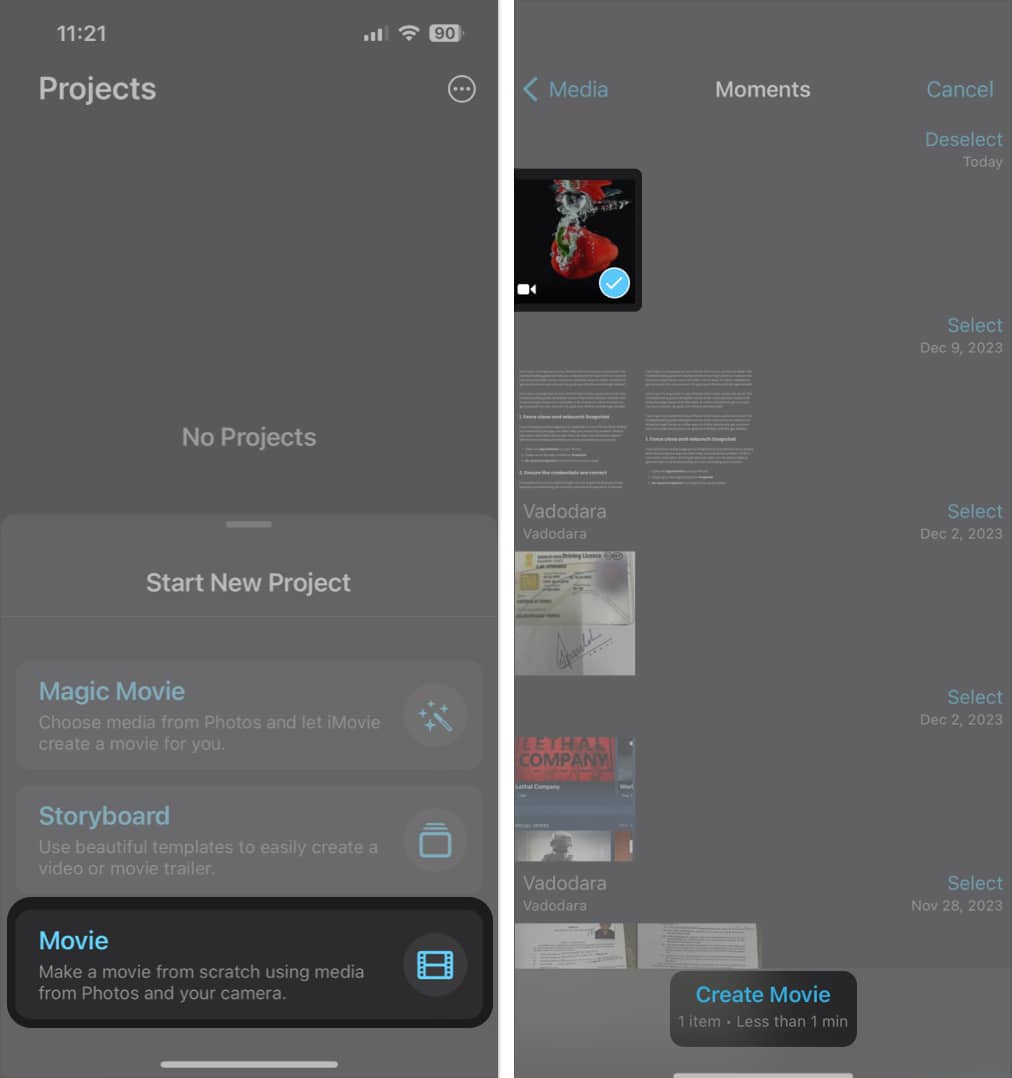
- Download iMovie and launch it on your iPhone or iPad.
- Select Movie under Start New Project.
- Select a slow-motion video → Tap Create Movie.
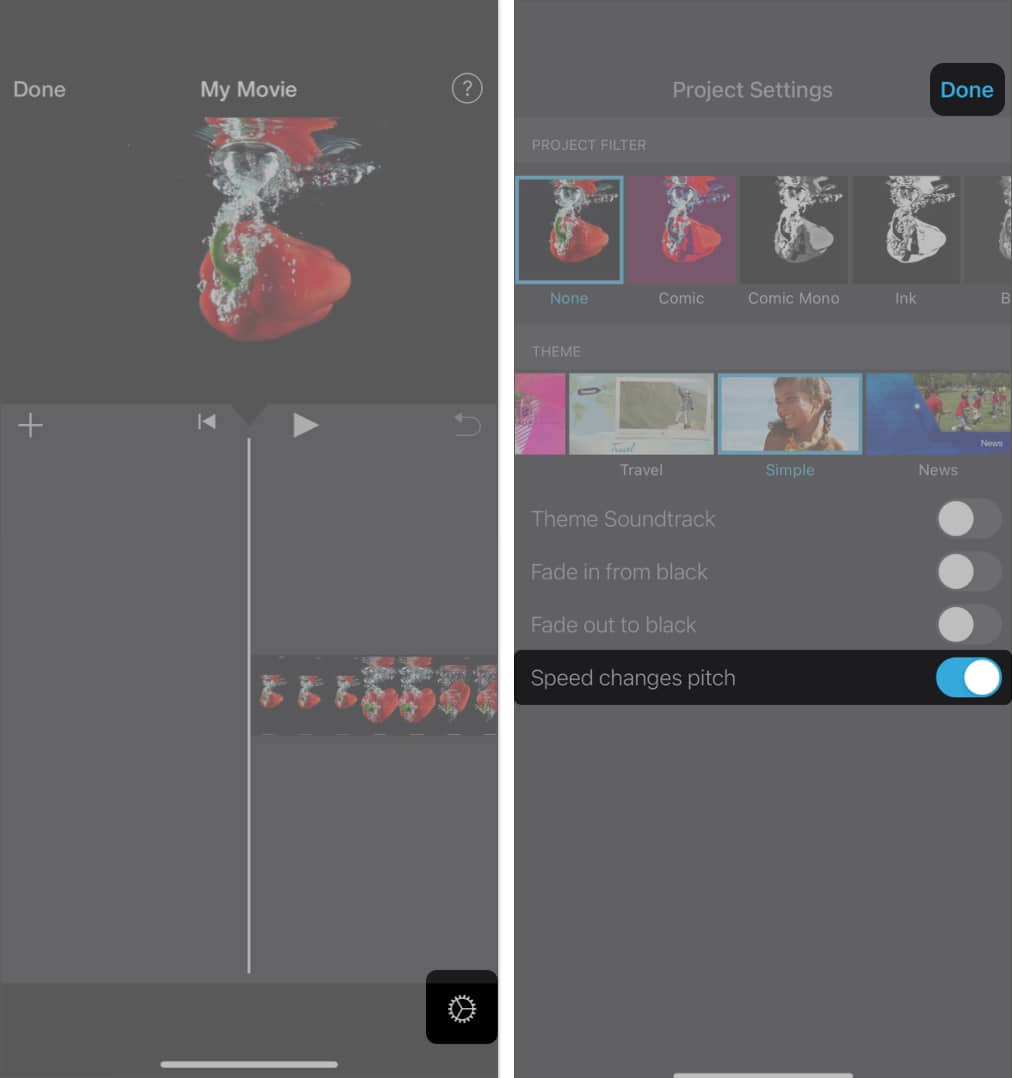
- Tap the Settings icon → Toggle on Speed changes pitch → Hit Done.
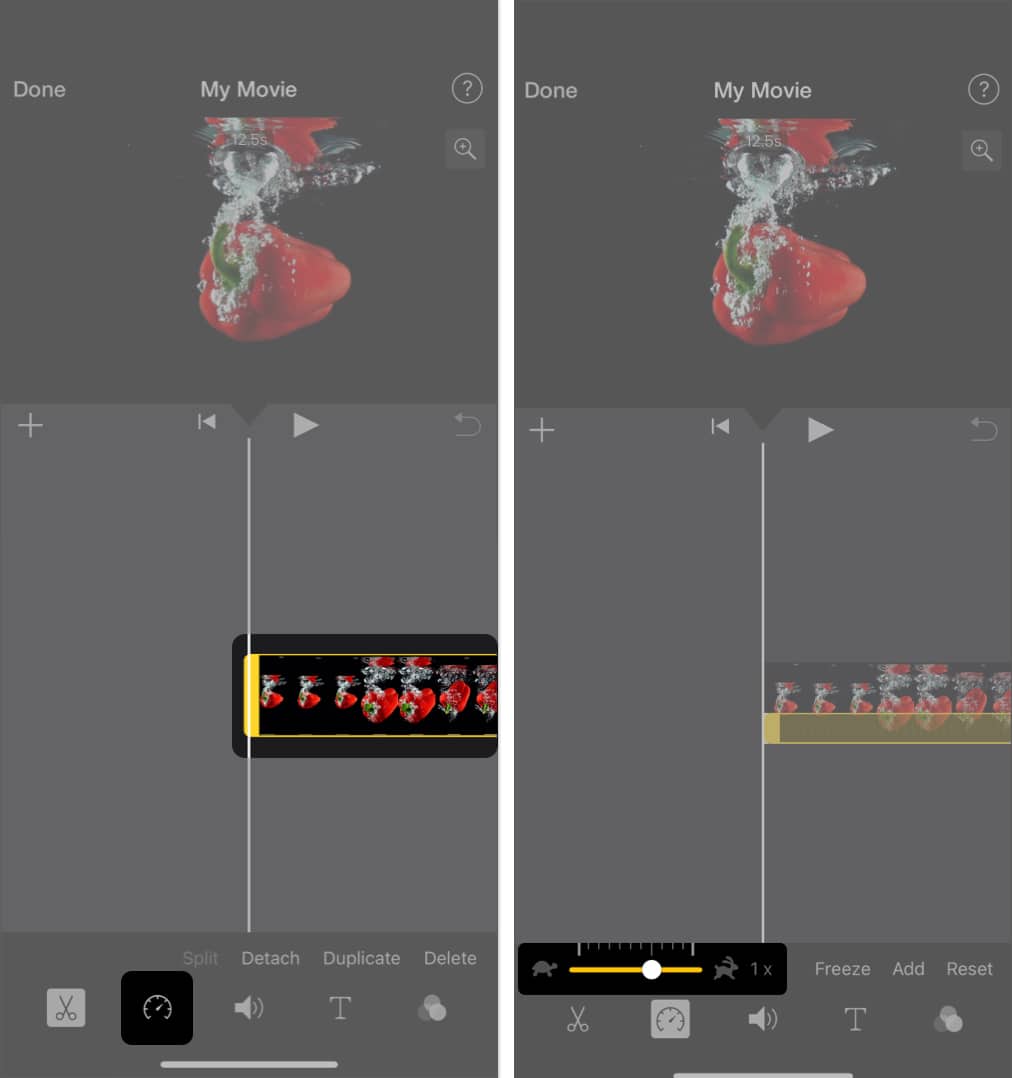
- Select the video timeline → Tap the speed icon in the toolbar.
- Push the slider to the right and set it to 1x.
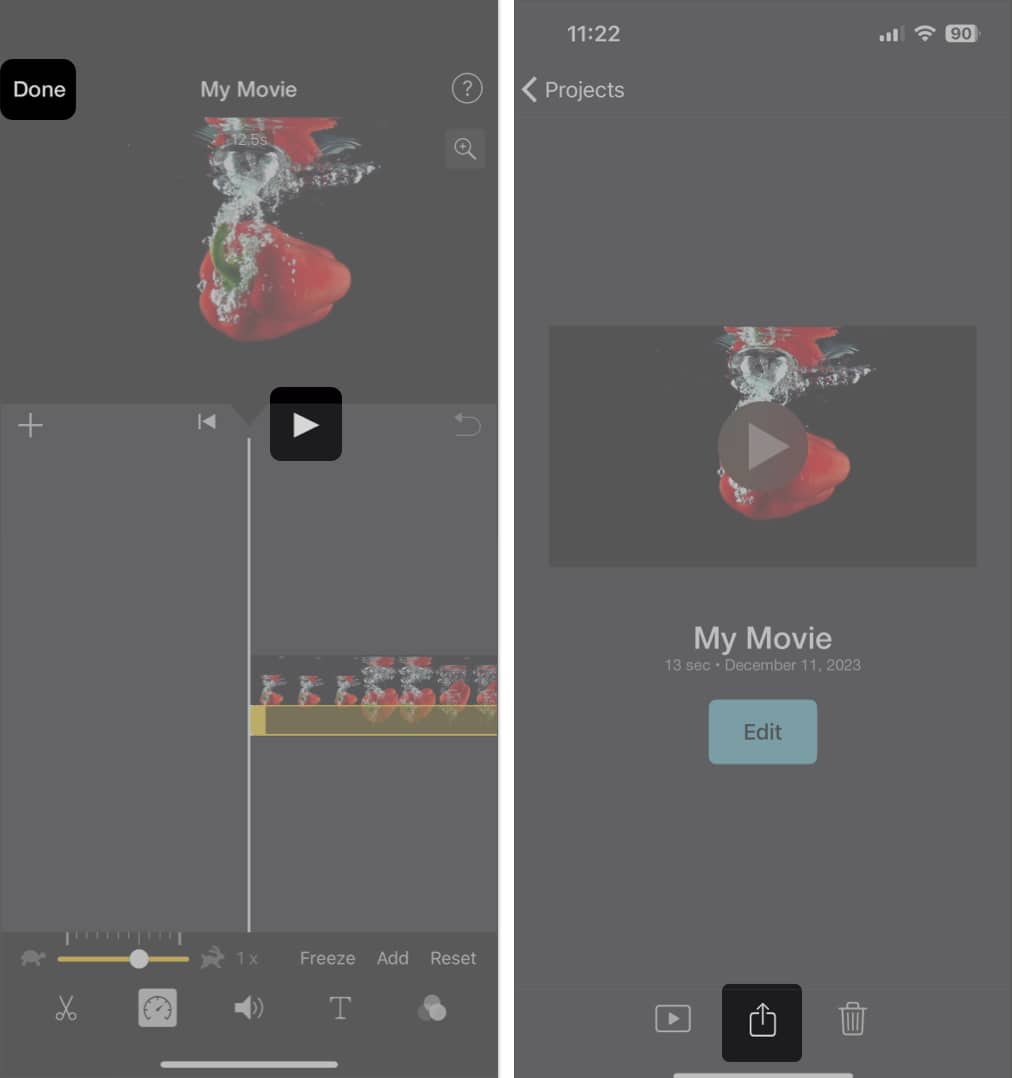
- Once you’re done editing, preview the video → Tap Done → Share icon.
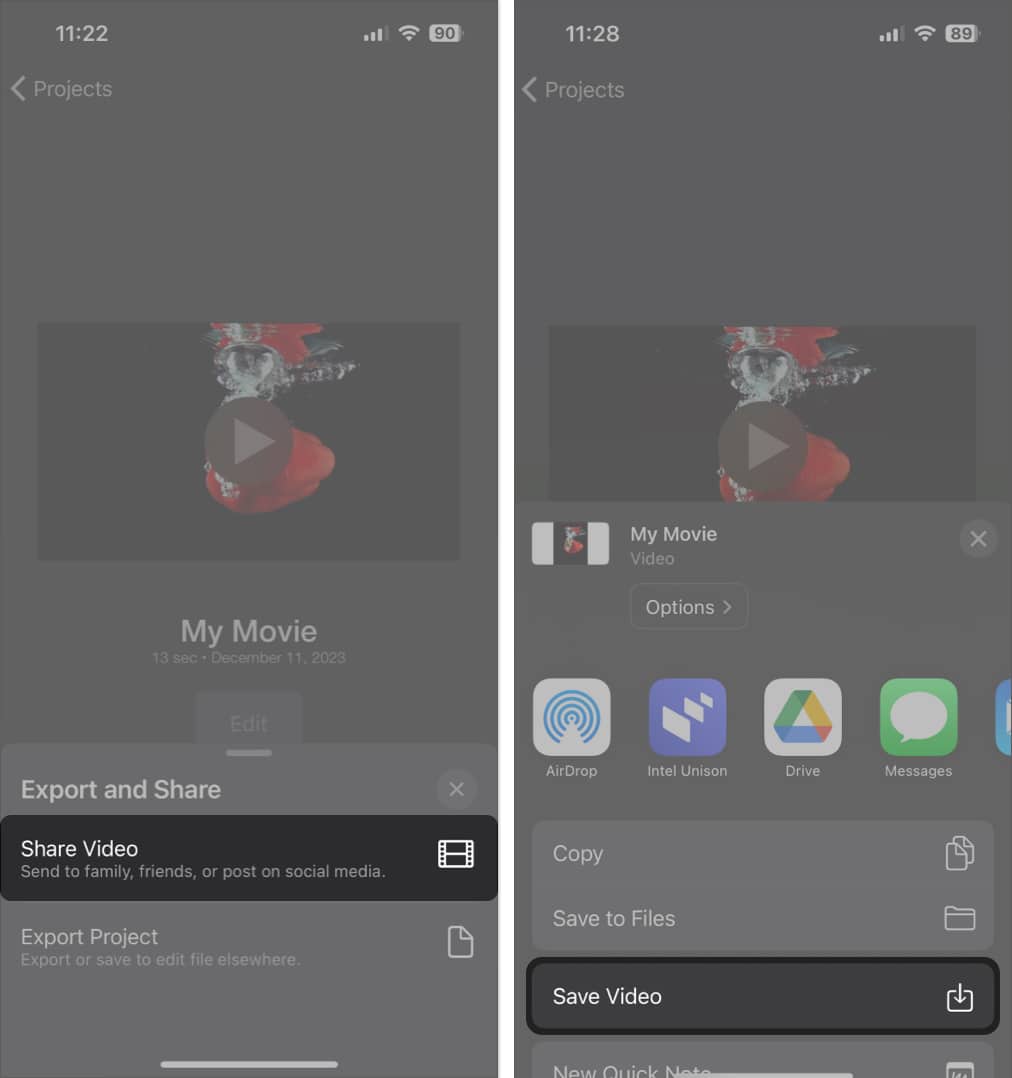
- Then, select Share Video → Save Video to export the edited clip.
Wrapping up…
All of us love editing videos on the iPhone to create social-media-worthy content. But quite often, the original is more appealing than the edited or processed videos.
What are your thoughts on this? Do you take Slo-mo videos frequently, or is it a rare thing? Tell us in the comments section.
Also read:
Topics

Written by
Dhvanesh AdhiyaThe founder of iGeeksBlog, Dhvanesh, is an Apple aficionado, who cannot stand even a slight innuendo about Apple products. He dons the cap of editor-in-chief to make sure that articles match the quality standard before they are published.
View all posts →More from How-to
How to Turn Off Location on Snapchat (Step-by-Step Guide)
Want to stop sharing your location on Snapchat? This guide explains how Snapchat location sharing works and shows simple ways to turn off your location using Ghost Mode or phone settings. Stay in control of your privacy in just a few steps.
 VikhyatMarch 5, 2026
Snapchat Parental Controls: How to Set Up Family Center and Keep Your Teen Safe
Snapchat’s Family Center lets parents monitor their teen’s friend activity and screen time without reading private messages. Here’s how to set it up and what to expect.
VikhyatMarch 3, 2026
How to Block and Unblock Someone on Instagram
Instagram lets you block or unblock someone in seconds. Follow these simple steps to take full control of your privacy and online peace.
 Ava BiswasMarch 2, 2026