
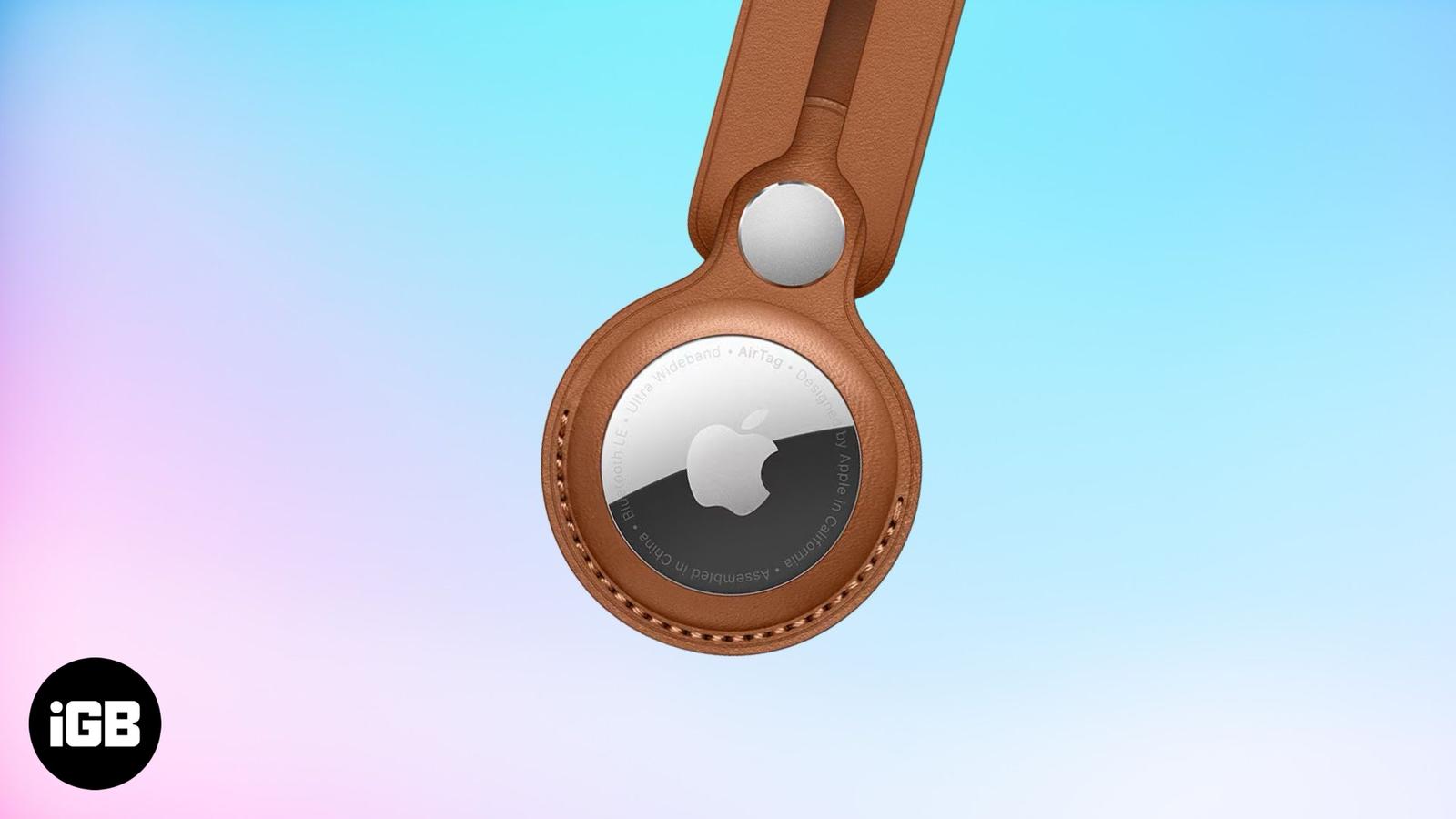
Apple is still developing a small camera-equipped wearable that could launch as early as next year, according to Bloomberg’s Mark Gurman. The device is described as an AirTag-sized pendant that would work with the iPhone and give Siri a way to understand more of the world around the user.
The pendant would reportedly include cameras, a microphone, and its own chip, but it would rely heavily on a paired iPhone for processing. Apple is also said to be considering a speaker, though that decision has not been finalized.
The device could clip to clothing or be worn around the neck using a cord or chain. It would not have a display or laser projector, which makes it very different from Humane’s AI Pin. Apple’s approach sounds more like an iPhone accessory than a standalone AI device.
That matters because the iPhone would remain the main computer. The pendant would mainly collect visual and audio context, then pass that information to Siri and Apple Intelligence. If Apple can make that useful without making it feel creepy, the product could become a practical way to bring AI features into daily life.
Apple is also testing camera-equipped AirPods and smart glasses
The pendant appears to be part of a larger camera-wearables push inside Apple. Gurman says AirPods with cameras have reached an advanced testing stage, while the pendant is still behind that project. Apple is also still working on smart glasses.
Apple’s glasses are expected to work more like Meta’s Ray-Ban smart glasses than the Vision Pro. They would reportedly include cameras for photos and videos, plus microphones and speakers for calls, music, notifications, and Siri.
The glasses could also send camera data to Siri and Apple Intelligence. That could help with features like turn-by-turn walking directions, where the device needs to understand what the user is seeing.
Apple is reportedly testing multiple frame designs, including larger rectangular frames, slimmer rectangular frames, and oval or circular options. The company is also exploring colors such as black, ocean blue, and light brown.
Apple’s first smart glasses are not expected to include an augmented reality display inside the lenses. That makes them less ambitious than full AR glasses, but also more realistic as a near-term product.
The hard part is privacy and trust
An always-on camera pendant would immediately raise privacy questions. It could be useful for reminders, object recognition, navigation, accessibility, and hands-free capture. It could also feel uncomfortable in public if Apple does not make recording status, permissions, and data handling clear.
The iPhone-first design may help. Apple can keep the controls, settings, processing, and privacy prompts on a device people already know. The pendant would not need to replace the phone. It would only need to give Siri better context.
The timing also lines up with Apple’s expected Siri overhaul in iOS 27. A more capable Siri would benefit from a device that can see and hear what is happening around the user.
The pendant is still not a confirmed product, and Apple could cancel it before launch. But the direction is clear: Apple is exploring smaller AI wearables that depend on the iPhone, use cameras for context, and give Siri a bigger role outside the screen.