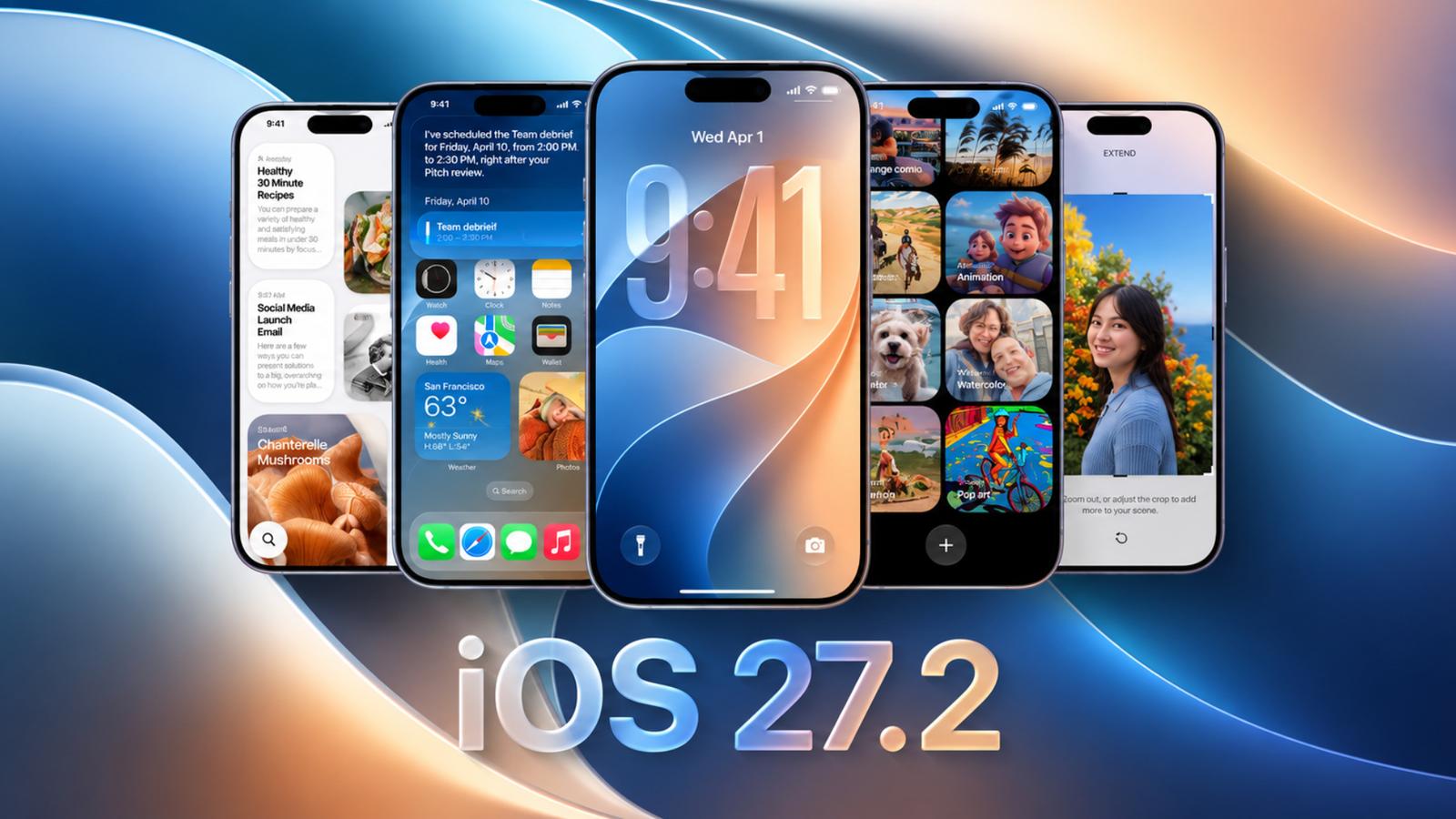

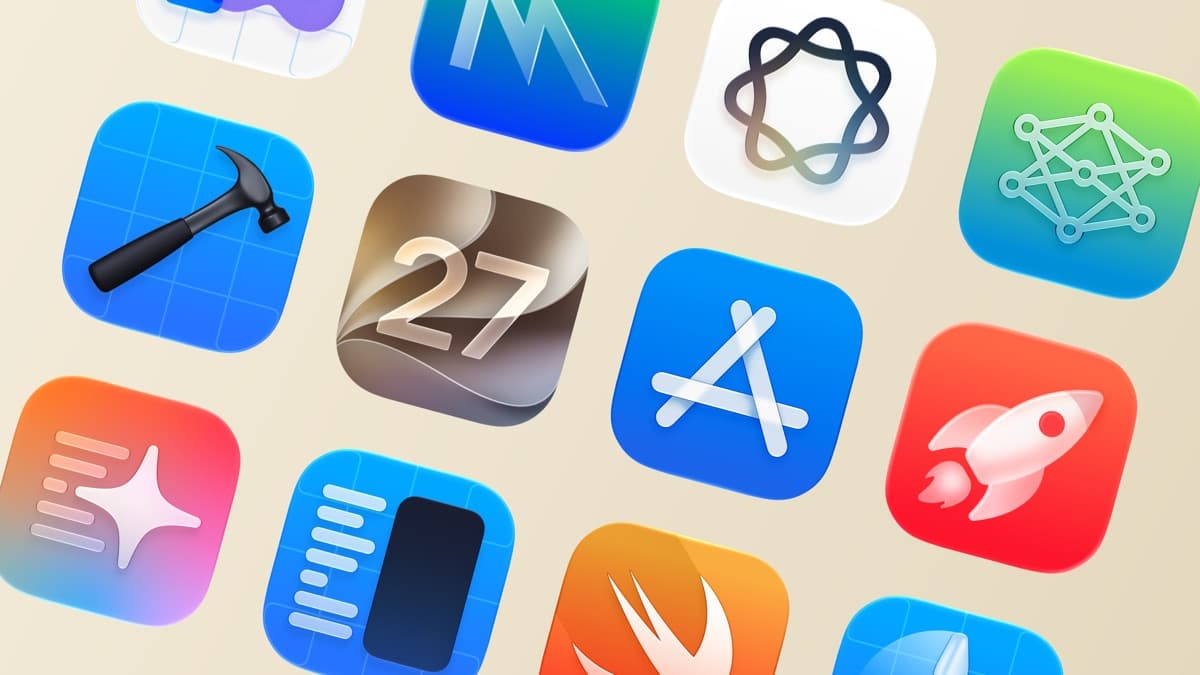
Apple is now accepting App Store submissions built with the latest operating-system SDKs. Developers can use the Xcode 27 Release Candidate to build, test with TestFlight, and submit apps for iOS 27, iPadOS 27, macOS 27, tvOS 27, visionOS 27, and watchOS 27.
Apple announced the change in an Apple Developer update on September 9, ahead of the public rollout of the new software. Developers no longer need to wait for the final operating-system releases to send compatible updates through App Review.
Developers can submit apps for all six platforms
The submission window covers apps and games built for:
- iOS 27
- iPadOS 27
- macOS 27
- tvOS 27
- visionOS 27
- watchOS 27
Apple says the latest SDKs let developers take advantage of Apple Intelligence, the Foundation Models framework, design changes, and new App Store features. The immediate task for developers is to download Xcode 27, test the app on the new software, and send the build through App Store Connect.
The change also gives users a clearer signal that third-party apps are being prepared for the new releases. Features that depend on updated APIs or the new Apple Intelligence tools can now move from beta testing toward public availability.
macOS 27 is the cutoff for Intel support
Apple is using this release to draw a harder line on the Mac. macOS 26 is the final release that supports Intel Macs and Rosetta. macOS 27 will run on Apple silicon Macs only.
Developers who still ship universal Mac apps can set their Xcode build architecture to arm64 only, rebuild the app, and resubmit it. That removes Intel support from the app and lets the team focus on Apple silicon, but it also means older Macs will need a compatible previous version.
You can check the affected hardware in this macOS 27 compatibility guide. Apps can still support Intel Macs when they target macOS 26, but a macOS 27 build needs Apple silicon.
The wider App Store deadline arrives in April 2027
Apple’s current submission window is optional in the short term, but the SDK requirements will become mandatory later. Starting in April 2027, apps and games uploaded to App Store Connect must meet these minimums:
- iOS and iPadOS apps must use the iOS and iPadOS 27 SDK or later.
- tvOS apps must use the tvOS 27 SDK or later.
- visionOS apps must use the visionOS 27 SDK or later.
- watchOS apps must use the watchOS 27 SDK or later.
Apple’s developer page does not list a matching April 2027 minimum SDK requirement for macOS in that section, but the Apple silicon-only rule for macOS 27 still applies. Developers also need to account for App Review, which covers app updates, in-app purchases, metadata, and other submitted content.
The move comes as Apple continues to update how the App Store handles newer software and AI-powered apps. Its work on App Store rules for AI agents shows why the review process will matter as much as the new SDK features. For now, the message to developers is straightforward: the new platforms are open for business, and the migration clock has started.