
What Really Happens Inside Apple’s Top-Secret Product Test Labs?
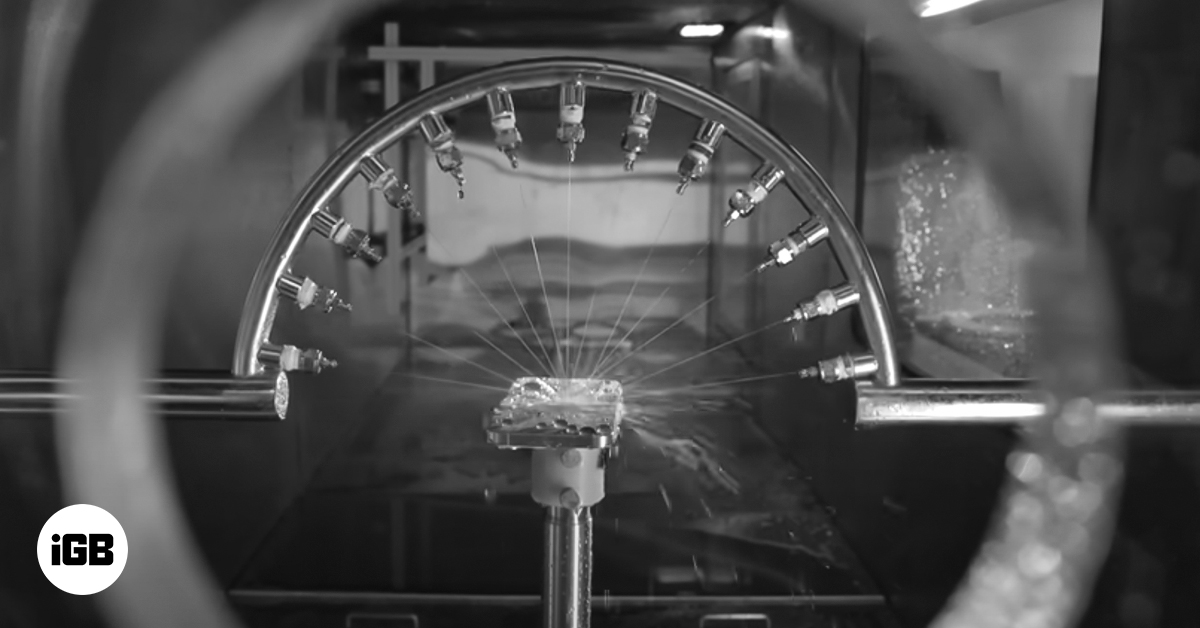
Ever wondered how your iPhone survives accidental drops, dusty bike rides, sweaty workouts, or getting drenched in rain? Apple doesn’t just hope it will – they make sure it can.
During WWDC 2025, Apple gave a rare tour of one of its 200 durability labs. Last year, MKBHD was given a similar tour, but this time Counterpoint Research shared an even more detailed look. This is where iPhones, AirPods, Apple Watches, chargers, cables, and even Vision Pro headsets are tortured before they ever land in your hand. Here’s everything they revealed.
Testing 10,000 iPhones Before Launch
Each year, over 10,000 iPhones go through these durability tests. That’s how serious Apple is about making sure your phone survives real life.
1. Environmental Tests – Can Your iPhone Survive Harsh Climates?
Apple products are used in 175+ countries, each with different climate challenges. In the lab, they recreate worst-case conditions to see what your device can handle.
- Salt exposure for 100 hours. To see if your iPhone survives salty air near beaches or sweat.
- High light intensity exposure. To check if your phone works fine under strong sunlight.
- Dust tests with fine desert sand. To see if tiny dust can block your charging port or speakers.
- Artificial sweat and earwax. To make sure your AirPods work even with sweat or wax buildup.
2. Water Tests – Is Your iPhone Really Waterproof?
Ever wondered what IP68 really means? Apple tests water resistance step by step.
- Light rain drips (IPX4). To check if your iPhone survives getting wet in rain.
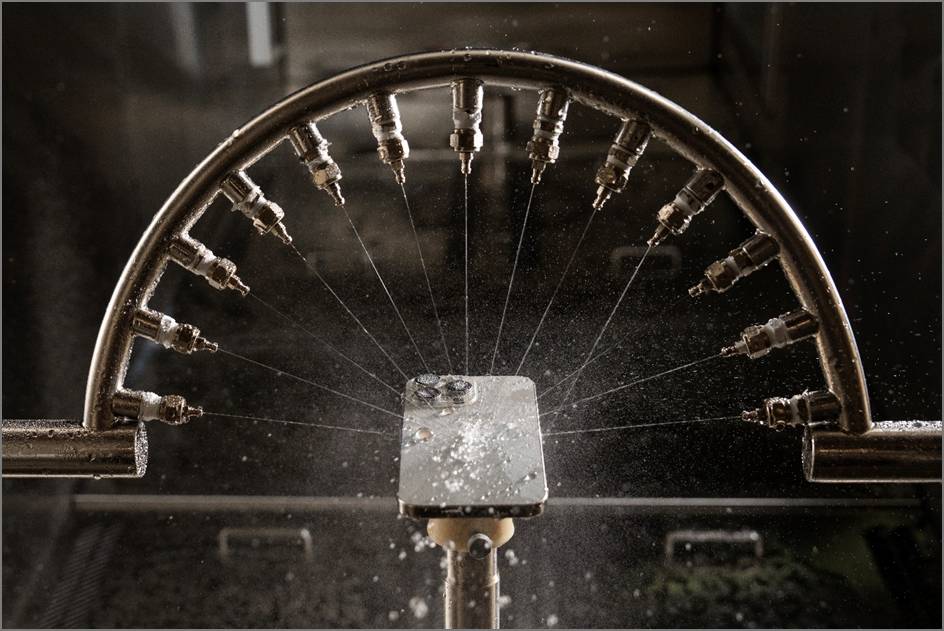
- High-pressure water jets (IPX5 and IPX6). To see if strong sprays from any angle can damage it.
- Deep water tanks up to one meter (IPX7) and six meters (IPX8). To test if your iPhone works after being underwater for an hour.
- Daily liquids like sodas, juices, sunscreen, and perfume. To check if these spillages damage your device.
3. Drop Tests – Dropped Like Real Life
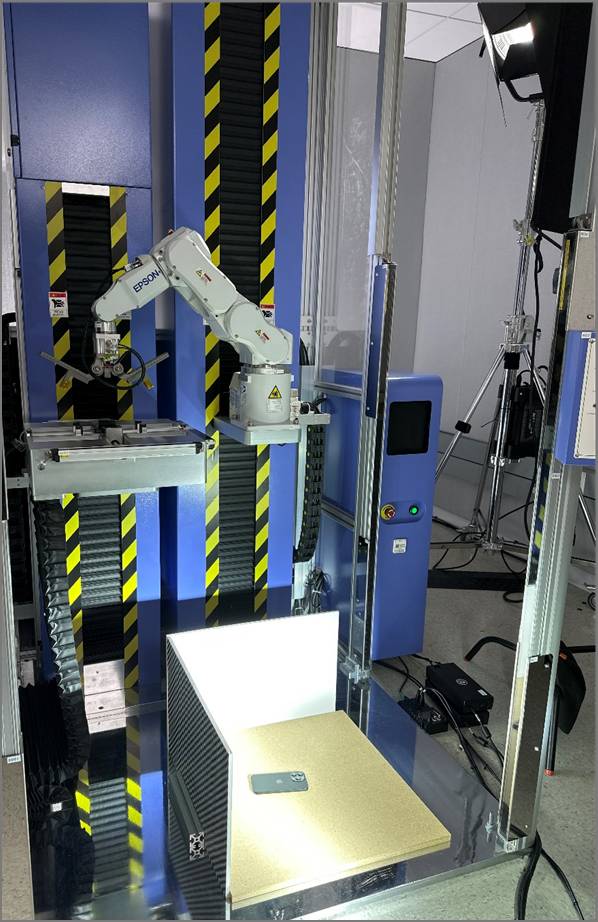
Apple doesn’t drop phones just once. They use a robot to drop iPhones repeatedly from different angles and heights onto granite, asphalt, or wood. Each drop is analysed by engineers using a special app to see what broke or survived.
4. Vibration Tests – For Those Bumpy Rides
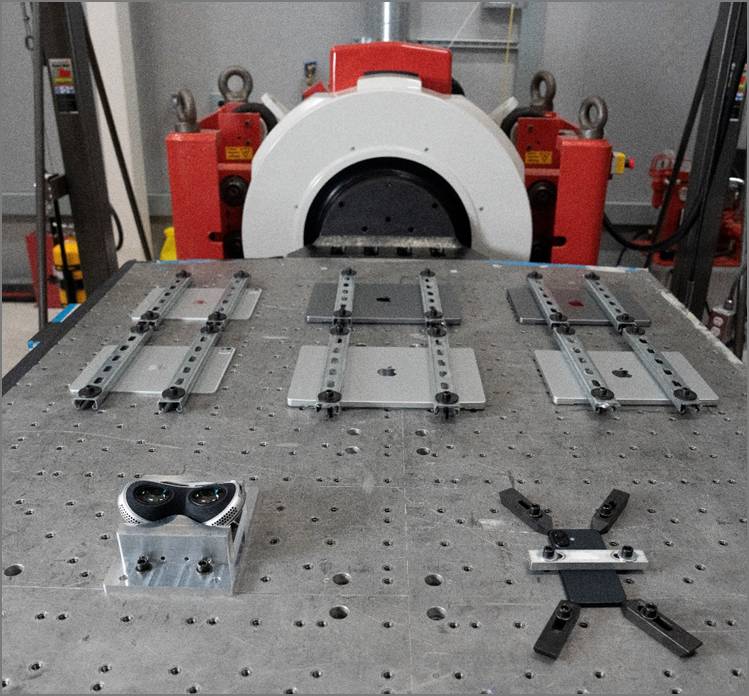
Phones often shake while riding bikes or during rough travel. Apple uses a vibration table that shakes devices at different speeds for hours, to make sure nothing gets damaged inside. Even Vision Pro headsets go through this.
Why Apple Durability Tests Are Important for Your iPhone?
These tests mean your Apple device can survive accidental falls, sweat, spills, rough rides, and daily mishaps. Apple wants its products to last long – no matter how carelessly you use them.
For a company that rarely shows behind-the-scenes, this glimpse proves one thing – Apple might care about design, but it cares about durability just as much.

Written by
Ravi Teja KNTSI’ve been writing about tech for over 5 years, with 1000+ articles published so far. From iPhones and MacBooks to Android phones and AI tools, I’ve always enjoyed turning complicated features into simple, jargon-free guides. Recently, I switched sides and joined the Apple camp. Whether you want to try out new features, catch up on the latest news, or tweak your Apple devices, I’m here to help you get the most out of your tech.
View all posts →More from News
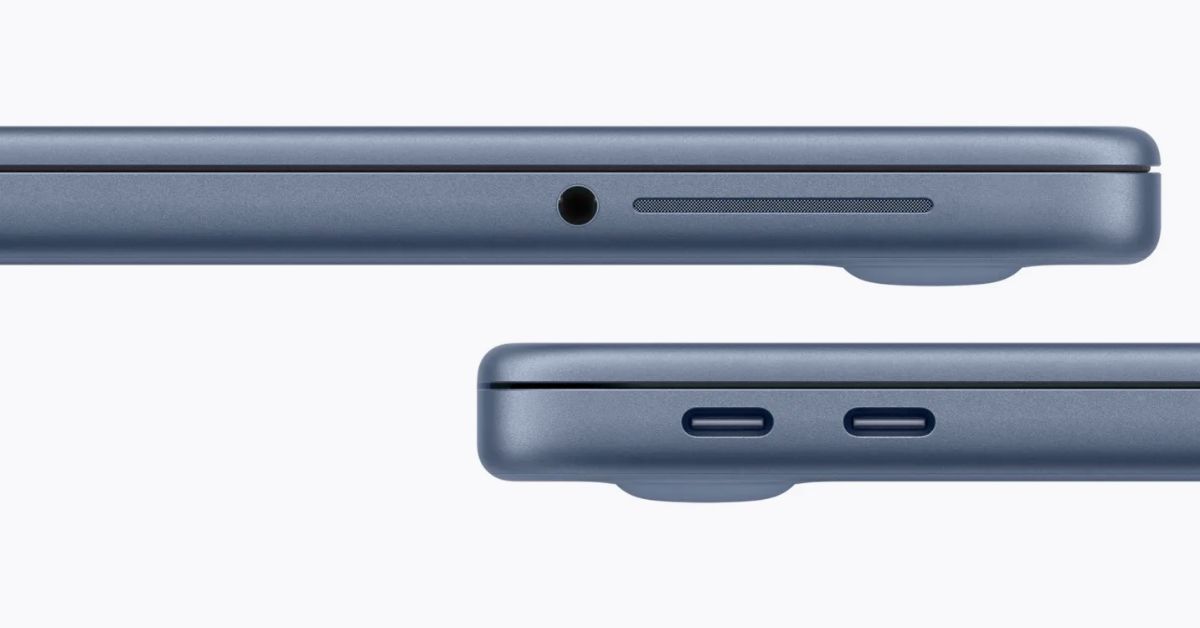
macOS Will Flag the Slower USB-C Port on MacBook Neo
The MacBook Neo includes two USB-C ports with different capabilities. The left port supports faster speeds and external displays, while the right port is limited to USB 2 speeds for charging and basic accessories.
 VikhyatMarch 5, 2026
Apple Launched Studio Display and Studio Display XDR: Full Specs, Features, and Price
Apple launches Studio Display and Studio Display XDR built for creators with Thunderbolt 5, stunning visuals, and pro-level performance. Here’s all the specs, features, and price.
 Ava BiswasMarch 4, 2026
Apple Pre‑Orders Now Live for iPhone 17e, MacBook Neo, M5 Macs and More
Apple has opened global pre-orders for iPhone 17e, MacBook Neo, M5 Macs, and new Studio Displays. Here are the start times, products, and release date.
Ravi Teja KNTSMarch 4, 2026