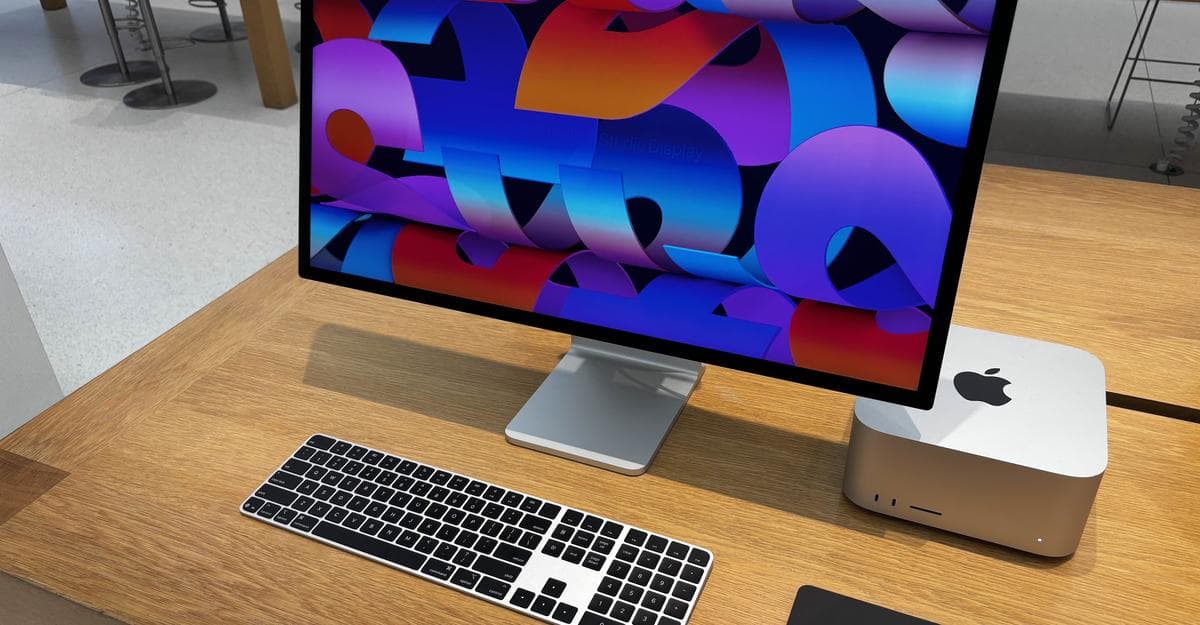

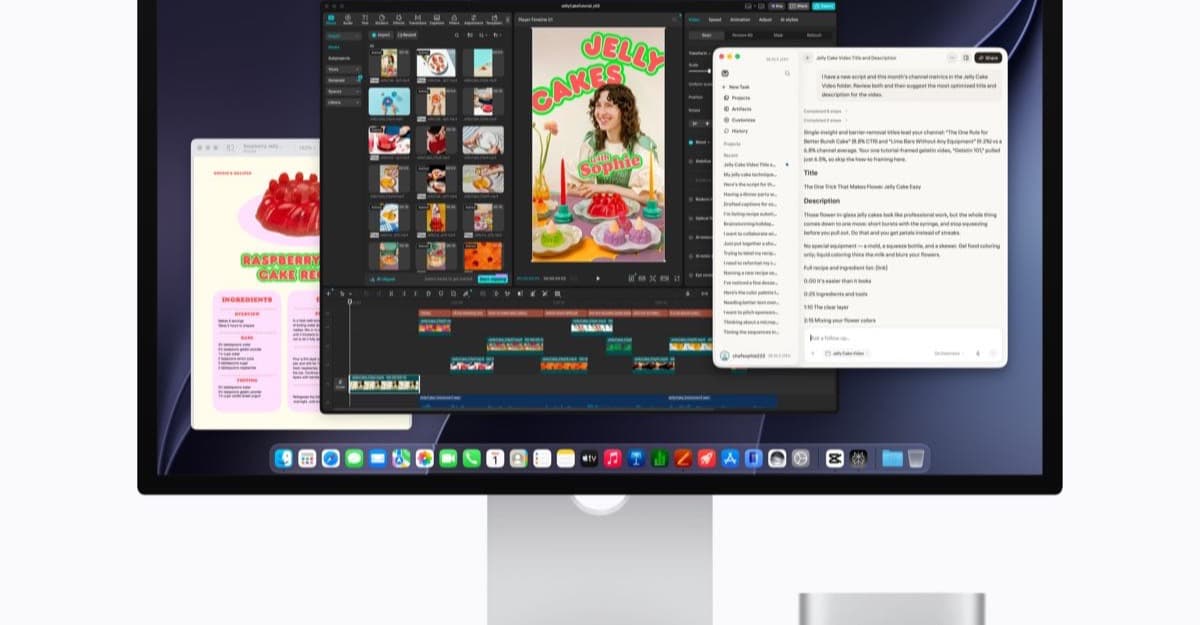
Apple’s August 25 refresh of the Mac mini and Mac Studio was reportedly pushed forward by a surge in business demand for local AI hardware. The Information says companies and AI labs started buying the compact desktops to run AI models and agents locally, catching Apple off guard.
Apple has not said that enterprise demand caused the timing, so the explanation remains reported rather than confirmed. Apple’s own launch copy makes the shift clear. Apple now markets Mac mini as an “always-on agentic device” for enterprise workloads, while the new Mac Studio can link multiple systems for distributed AI inference.
Apple is pitching these desktops for local AI
Apple’s new lineup makes the split clear. Mac mini comes with M6 or M5 Pro and supports up to 32GB of unified memory. Mac Studio uses M5 Max or M5 Ultra and reaches 512GB. Apple says the Studio can cluster over Thunderbolt 5 and deliver up to three times the distributed AI inference performance of one system. A recent M6 Mac mini vs M5 Ultra Mac Studio comparison breaks down the practical difference between the compact desktop and the workstation-class model.
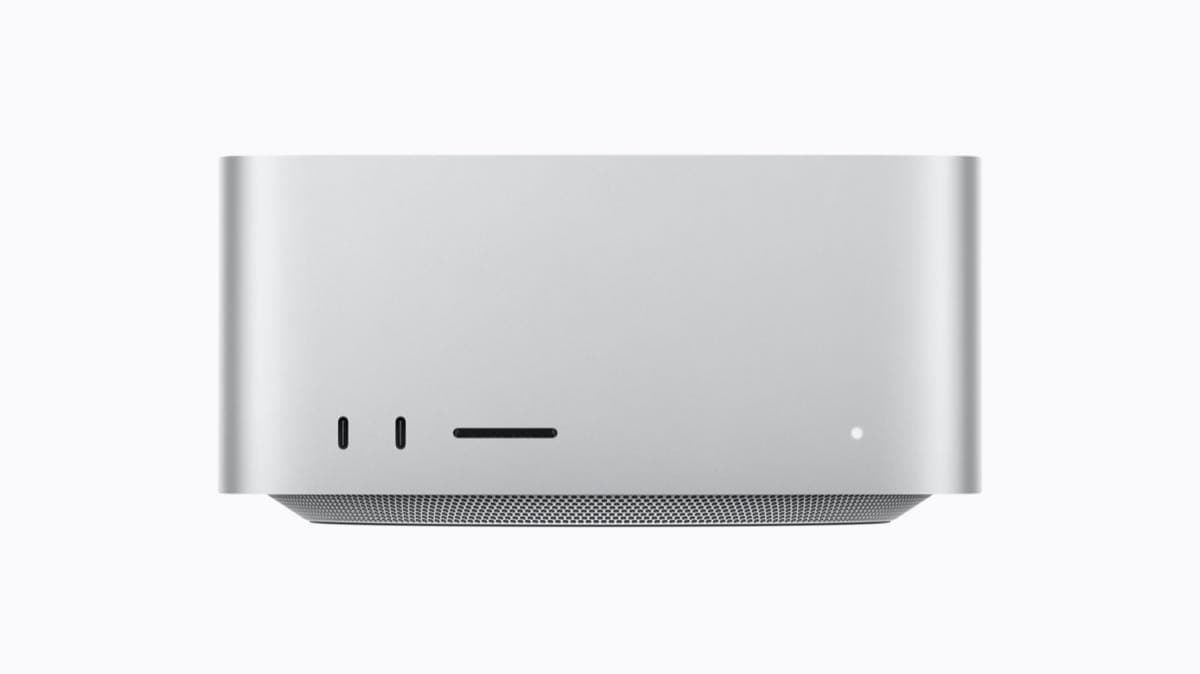
Both desktops are available to pre-order, with deliveries beginning September 22. Mac mini starts at $899 in the U.S., while Mac Studio starts at $2,499. The 512GB Mac Studio configuration is not scheduled to arrive until late October.
The demand was visible before the August launch
Tim Cook had already acknowledged the shift during Apple’s April earnings call. He said demand for Mac mini and Mac Studio as platforms for AI and agentic tools was rising faster than Apple expected, and warned that it could take several months to reach supply-demand balance. iGeeks’ earlier coverage details what that meant for availability.
Apple’s official Q3 financial statement adds scale to the broader Mac story. Mac revenue reached $10.352 billion in the quarter ended June 27, up from $8.046 billion a year earlier, a 28.7% increase. Apple reports the Mac as one category, however. It does not show how much came from Mac mini, Mac Studio, or any other model, so the number supports a stronger Mac business rather than proving the two desktops drove all of it.
AI labs are buying the machines for infrastructure
The Information reports that people familiar with OpenAI’s efforts said it bought tens of thousands of Mac minis and Mac Studios for reinforcement learning and computer-use agents. The report also says Anthropic rents Mac minis through Amazon Web Services. Neither company has publicly confirmed those numbers, so treat them as reported claims.
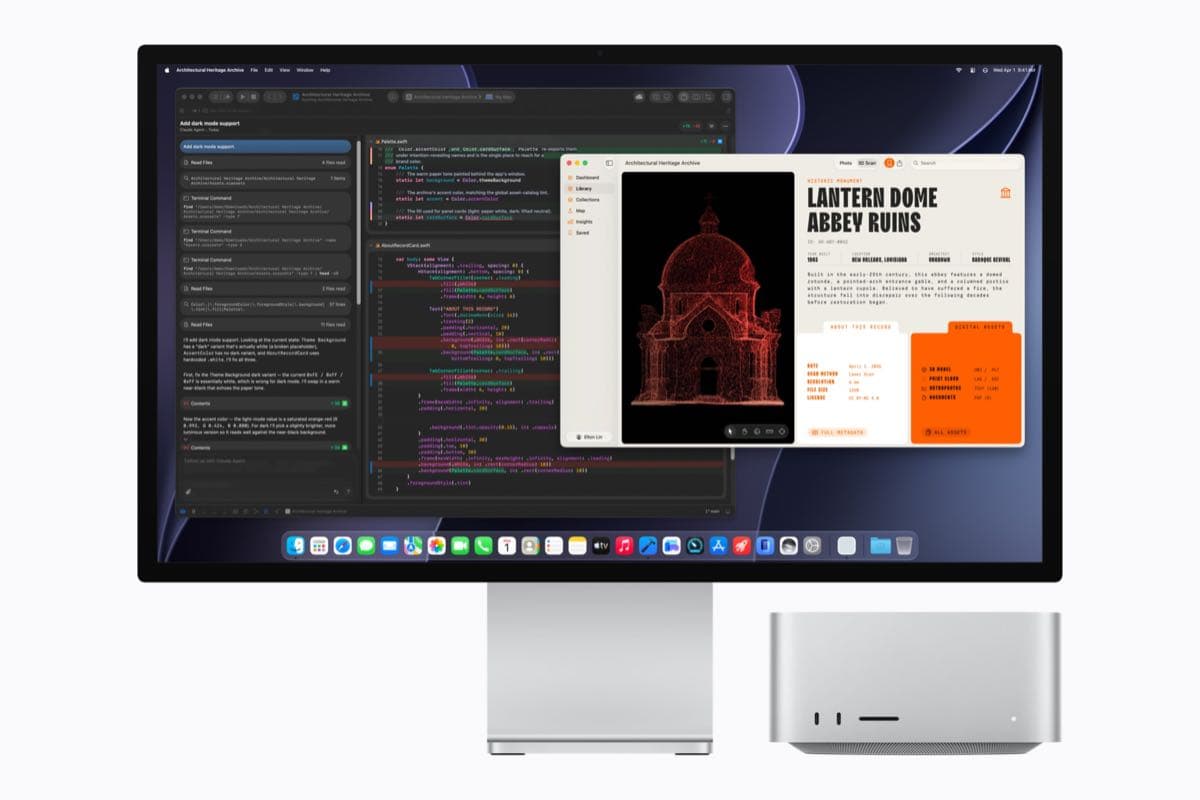
Apple silicon gives these machines a shared memory pool, and the desktop designs are suited to workloads that run for hours. That lets developers keep some model work close to the machine instead of paying for every cloud request. It does not make a Mac a replacement for every data-center GPU, but it explains why a small desktop can matter to AI teams.
Apple’s enterprise strategy is still catching up
The report describes a gap in Apple’s enterprise setup: no dedicated engineering team for business customers, no staff focused on developer relations, and no clear enterprise AI plan. It also says some businesses asked to buy access to Apple’s Private Cloud Compute servers, but Apple turned them down and is instead leaning on partners such as webAI and Mount Thor.
The supply problem could send buyers elsewhere. The Information says the memory shortage has kept high-end Mac mini and Mac Studio configurations out of stock for months and pushed some businesses to consider Nvidia’s DGX Spark as an alternative. Nvidia introduced the compact AI desktop in 2025. For Apple, the immediate problem is availability. The new Mac Studio’s 512GB configuration is not due until late October, so the new launch does not instantly solve the bottleneck.
For now, Apple has a new enterprise-facing Mac pitch and a real demand signal. Whether it can supply and support that market remains the less settled part of the story.