
Google packed a lot into its Made by Google event in New York on August 12. The company announced four Pixel 11 phones, the Pixel Watch 5, and its first AirTag-style tracker, the Pixel Tag, along with a long list of Gemini features. Pre-orders are open now, and everything except the Pixel Tag hits stores on August 20.
Here’s the full keynote if you want to watch it yourself.
Pixel 11 series starts at $899 with the first 2nm phone chip
Every Pixel 11 runs on the new Tensor G6, the first smartphone chip built on a 2nm process. Google says it’s up to 20% more power efficient than the Tensor G5, loads apps 15% faster, and runs on-device AI tasks 3.5x faster while using 3.5x less energy. All four phones ship with Android 17 and 256GB of base storage, double what the Pixel 10 started with.
That extra storage comes with a price bump. Each model costs $100 more than its Pixel 10 equivalent.
| Model | Price | Display |
|---|---|---|
| Pixel 11 | $899 | 6.3″ Actua |
| Pixel 11 Pro | $1,099 | 6.3″ Super Actua |
| Pixel 11 Pro XL | $1,299 | 6.8″ Super Actua |
| Pixel 11 Pro Fold | $1,899 | 6.5″ outer, 8″ inner |
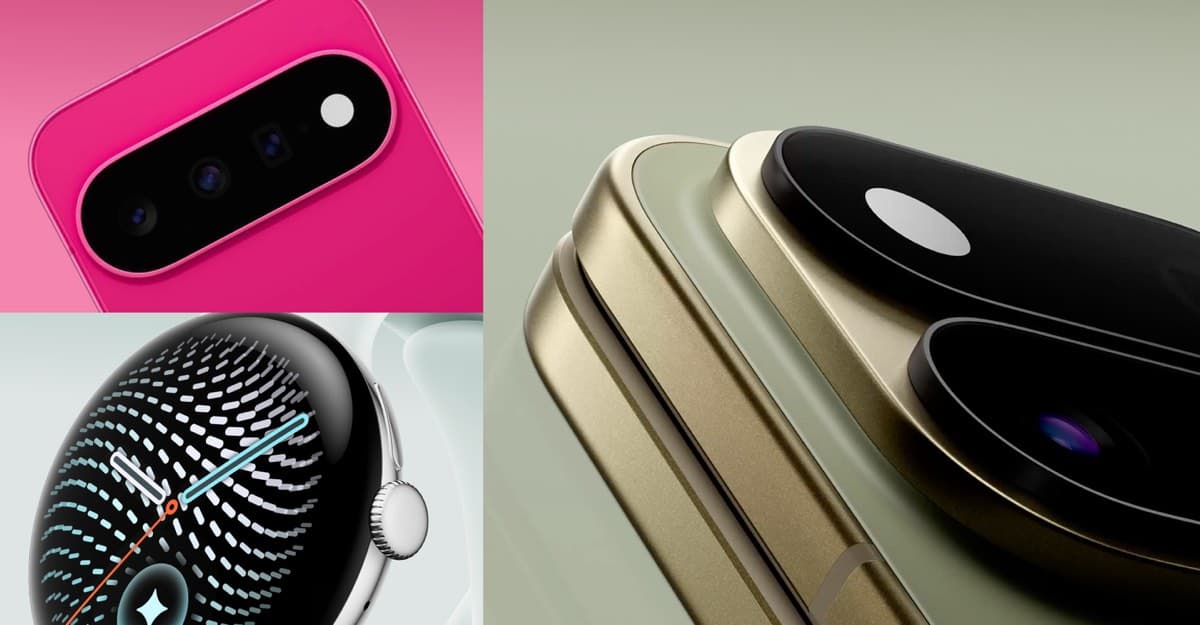
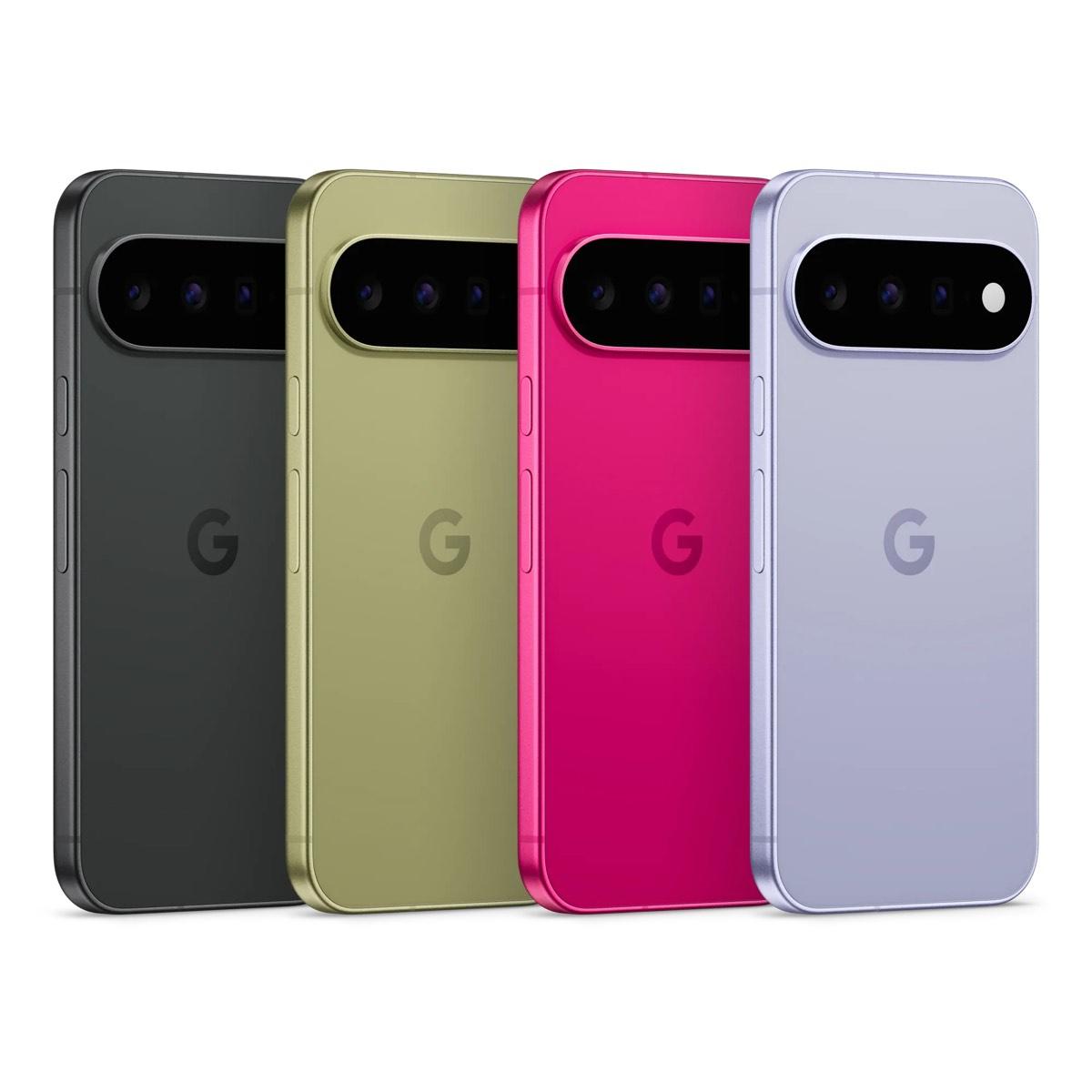
The base Pixel 11 gets the biggest visible redesign: an all-glass camera bar that’s 40% thinner than before. Its new 48MP main sensor pulls in 56% more light, and the 5x telephoto now reaches 30x SuperRes Zoom. Wireless charging jumps from 15W to 25W with Qi2.2, and Google claims over 30 hours of battery. It comes in Frost, Hibiscus, Pistachio, and Obsidian.
Pixel 11 Pro and Pro XL push the camera harder
The Pro models get a new 50MP main sensor and a 48MP telephoto with 30% better light sensitivity, plus Portrait Mode at 5x zoom and a 120x Pro Zoom mode. Night Sight now captures up to 4.5x faster. The Super Actua display reaches 3,600 nits and has double the scratch resistance of the Pixel 10 Pro.
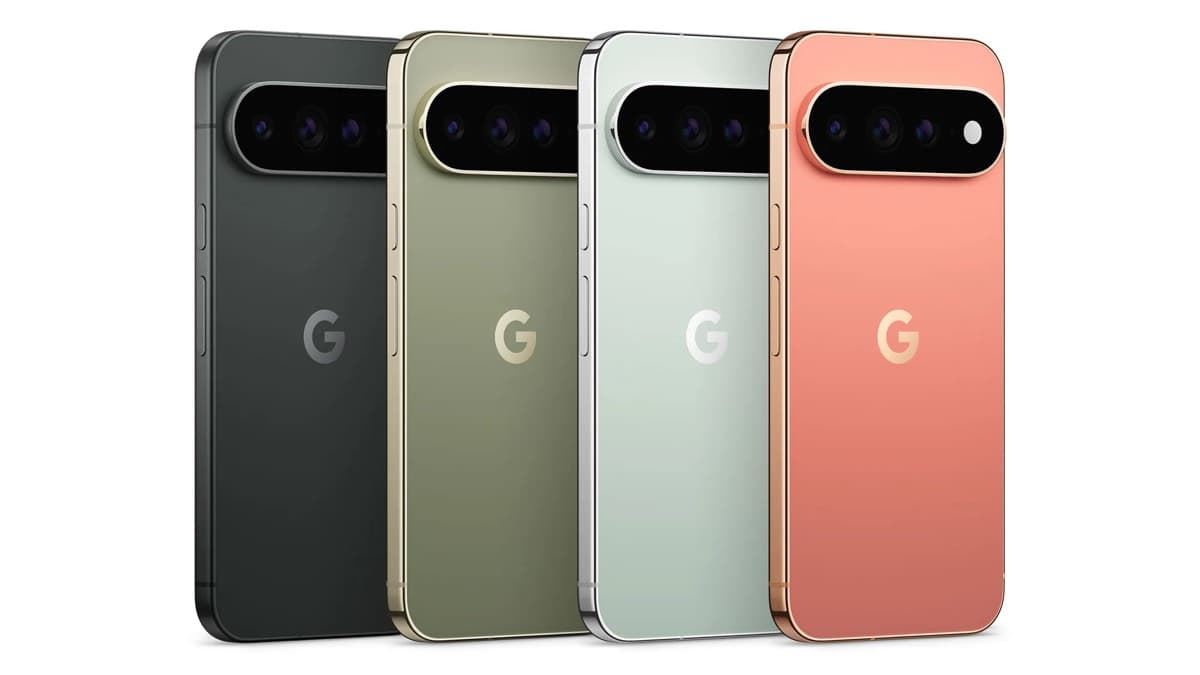
There’s also a new hardware detail called HiLight, an LED ring around the camera flash that lights up for important calls and when Gemini is listening. It replaces the temperature sensor from the previous Pro models.
The Pro XL charges to 75% in 30 minutes wired, and both Pro models include six months of Google AI Pro, which normally costs $19.99 a month and bundles 5TB of storage with Google Health Premium. Colors: Canyon, Fog, Olive, and a matte Obsidian.
Pixel 11 Pro Fold is lighter, thinner, and tougher
Google’s new foldable is nearly 10% lighter and almost 1mm thinner than the Pixel 10 Pro Fold, with a glass fiber composite back that Google says makes it three times more durable. It keeps full IP68 water and dust resistance.
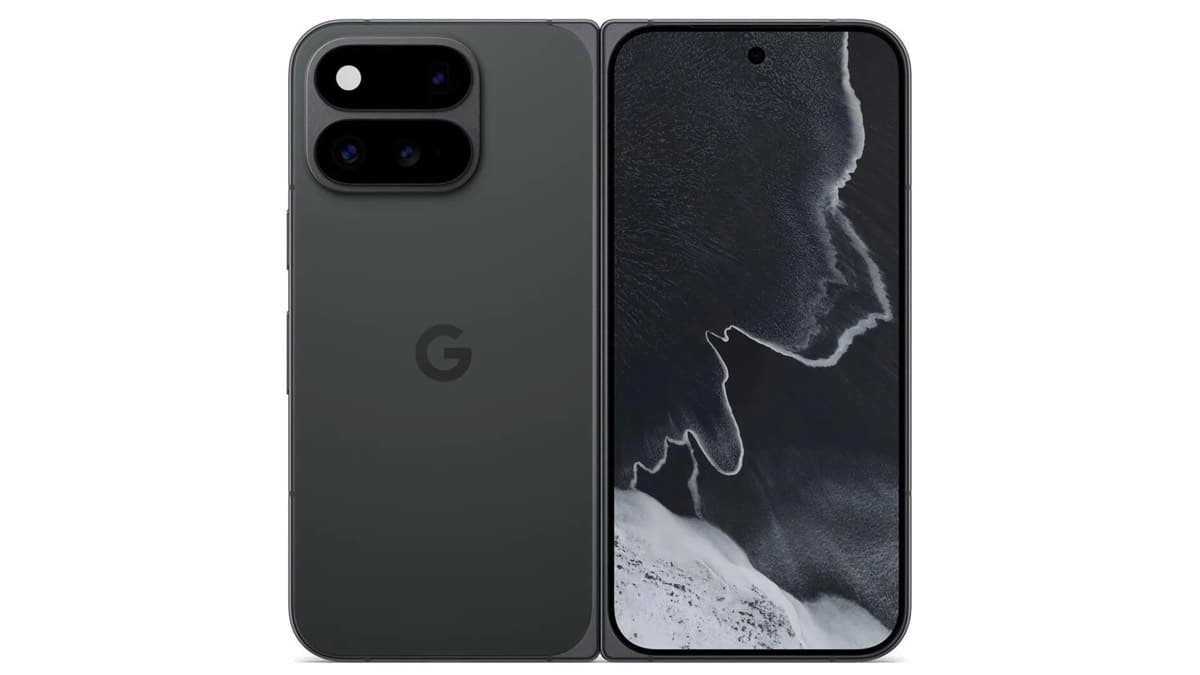
The outer 6.5-inch screen is 20% brighter, the inner Super Actua Flex display hits 3,600 nits with slimmer bezels, and the main camera moves up to 48MP with 30x Super Zoom. The 4,750mAh battery is rated for over 24 hours. At $1,899, it’s $100 more than last year’s Fold.
Pixel Watch 5 leans into health trends
The Pixel Watch 5 starts at $399 for the 41mm size and $429 for 45mm, with cellular adding $100. That’s up $50 from the Pixel Watch 4. It ships August 20 alongside the phones.
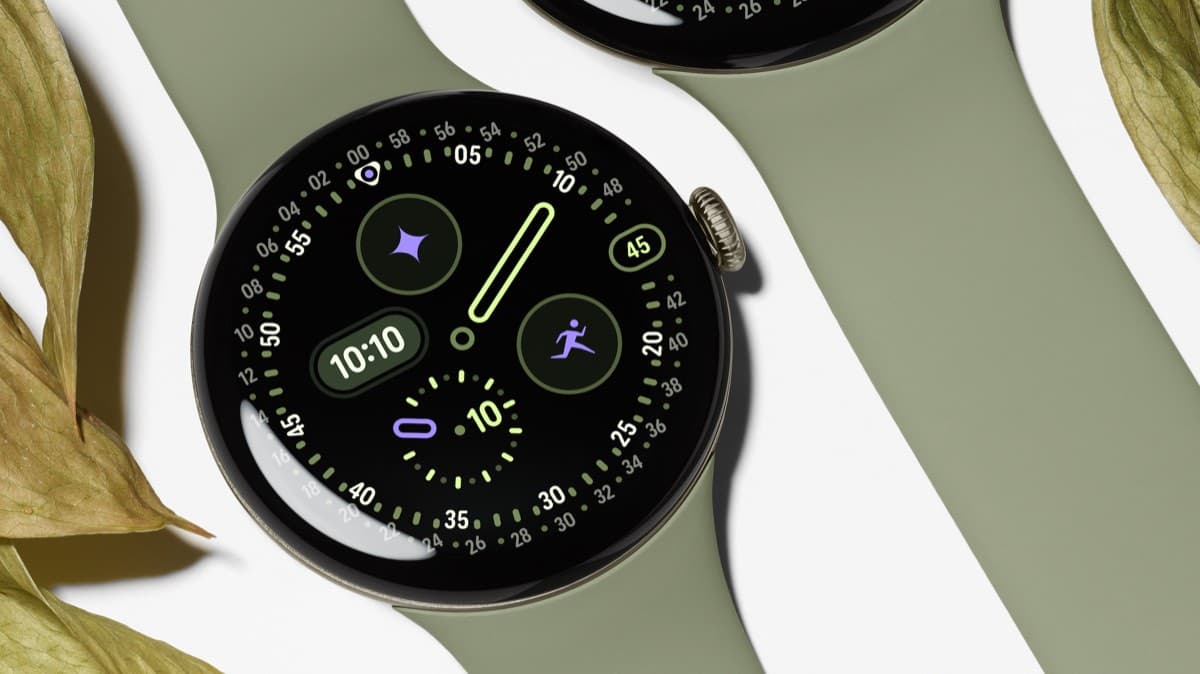
The headline features are two new health reports in the Google Health app. Blood Pressure Trends estimates how your blood pressure patterns change over time using existing sensor data. It’s a monthly trend report, not a blood pressure monitor, and it doesn’t give real-time readings. Insulin Resistance Trends works the same way, estimating changes from your sleep, heart rate, and activity data. Google says it trained the model on 60 million hours of data from more than 100,000 people. The watch also adds breathing emergency detection, personalized strength coaching, and bedtime automations.
Under the hood, a Snapdragon W5 Gen 2 chip makes the watch about 20% faster, RAM goes from 2GB to 3GB, and storage doubles to 64GB. Battery life is rated at 30 hours for the 41mm and 40 hours for the 45mm, and a 15-minute charge adds around 15 hours. Google also reworked GPS tracking, claiming routes are twice as accurate.
Google is also selling a $579 Stephen Curry Edition with an exclusive band and watch face.
Pixel Tag is Google’s $29 answer to the AirTag
Google finally made its own item tracker. The Pixel Tag is a stainless steel, IP67-rated tag with ultra-wideband precision finding, a built-in speaker, and a replaceable coin-cell battery rated for about a year. It runs on Android’s Find Hub network, which spans over a billion Android devices, and works with any phone on Android 9 or later. You can also locate a tagged item from a Pixel Watch or ask Gemini to find it through Pixel Buds.

It costs $29, or $99 for a four-pack, and ships November 11, nearly three months after the phones and watch. That puts it at the same price as Apple’s AirTag and in line with most AirTag alternatives already on the market. Apple, for its part, is expected to answer with an AirTag 2 featuring a new UWB chip and better precision finding.
Gemini features worth knowing about
Google also added several Gemini-powered tools across Pixel, Gboard, and Live Transcribe:
- Task automation: Gemini can order groceries, book rides, and call businesses on your behalf, leaving you a transcript of the call.
- Rambler: A new Gboard voice input that cleans up filler words and run-on sentences, so dictation reads like something you’d actually type.
- Sign language transcription: Live Transcribe can now translate American Sign Language to text using the Pixel Camera, built on a DeepMind model.
- Magic Capture: The camera analyzes around 500 frames to automatically pick the best photos and videos.
- Camera Looks: Preset styles like Natural, Vanilla, and Black Tie for consistent color across shots.
- Live Translate dubbing: Real-time audio translation for podcasts and YouTube videos.
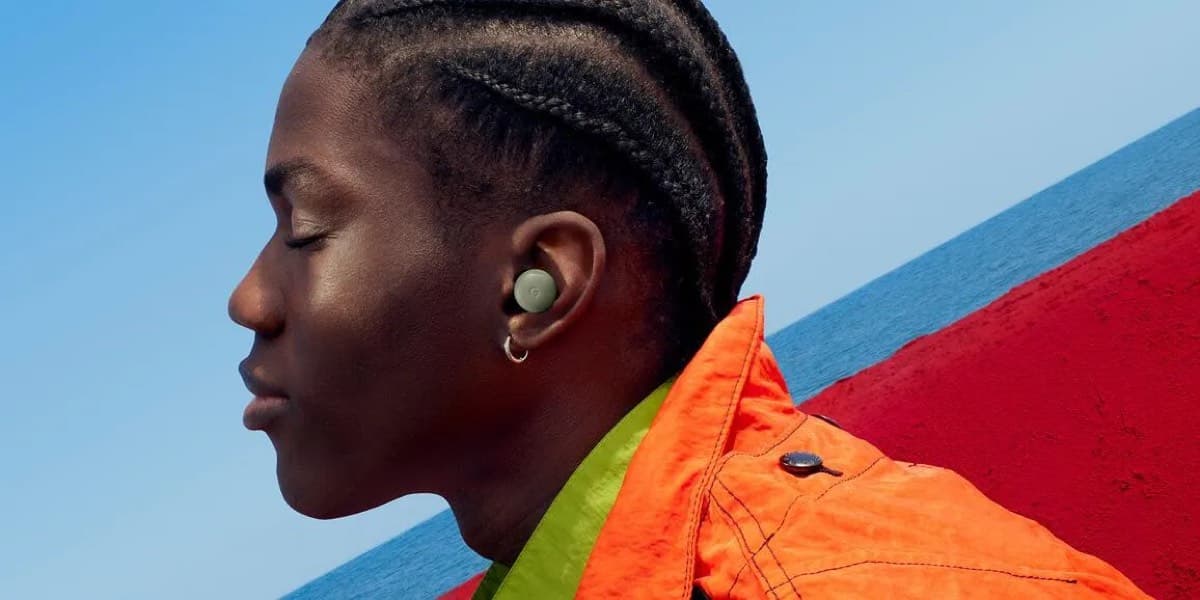
Pixel Buds Pro 2 got a new Olive color and a September software update with dynamic noise cancellation, Gemini audio controls, and Live Translate support for over 70 languages. The cheaper Pixel Buds 2a picks up Gemini audio control too.