
iPhone 18 Prices May Stay Flat Despite 2026 DRAM Shortages
iPhone 18 pricing may stay stable despite 2026 DRAM shortages. Learn how component supply issues could impact Apple’s strategy.
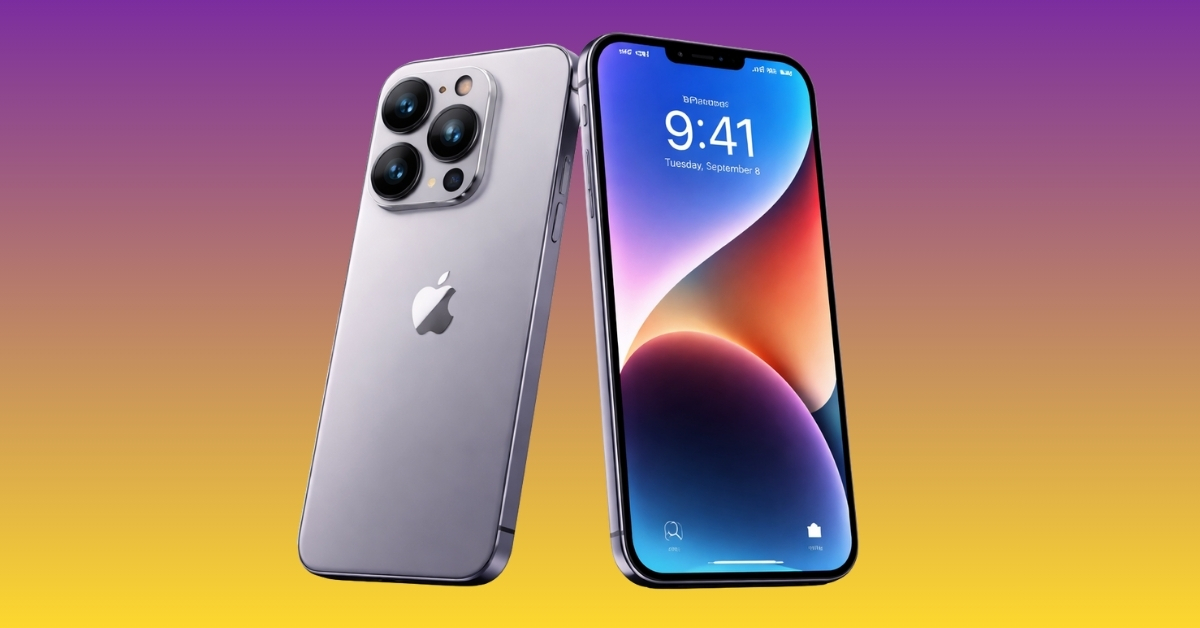
Apple is preparing for higher memory costs in 2026 as global DRAM shortages begin to affect smartphone manufacturers. However, the company plans to keep iPhone 18 pricing steady, at least for base models.
According to Apple analyst Ming-Chi Kuo, Apple renegotiates memory contracts every quarter, with another price increase expected in Q2 2026. This follows a similar hike in Q1, pushing DRAM prices an estimated 10-25% higher than last year.
While rising memory costs will pressure iPhone profit margins, Apple’s massive scale gives it a key advantage. Unlike many Android brands that struggle to secure supply even at higher prices, Apple can lock in long-term agreements and guarantee component availability.
Apple’s Strategy: Absorb Costs, Secure Supply, Grow Market Share
Kuo suggests Apple is using the current supply crunch to its advantage. Instead of passing higher costs directly to consumers, Apple can absorb part of the impact, secure critical components, and strengthen its market position. Any short-term margin hit can later be offset through services revenue.
Apple may address component pricing during its January 30 earnings call for fiscal Q1 2026, covering October to December 2025. Kuo expects Apple to avoid price increases “as much as possible,” predicting that the base iPhone 18 models will launch at the same starting price as their predecessors.
This mirrors Apple’s recent approach. The standard iPhone 17 remained at $799 despite rising component costs, while Apple raised the iPhone 17 Pro price by $100 after making 256GB the minimum storage option.
AI Demand Could Push Smartphone Costs Higher
Memory is not the only challenge ahead. LPDDR and NAND supplies are tightening as chipmakers prioritize AI server demand over smartphones. With advanced memory increasingly diverted to the AI sector, analysts warn that broader supply chain pressure could push smartphone prices higher across multiple brands in the coming months.
iGeeksBlog Take
This feels like another example of Apple playing the long game. By keeping iPhone 18 prices steady while competitors struggle with supply, Apple is protecting customers while positioning itself to quietly gain market share during a chaotic period. Even if margins take a temporary hit, Apple knows its ecosystem and services revenue can carry the weight.
The bigger question isn’t if Apple can absorb higher memory costs. It’s how much further the gap will widen between Apple and the rest of the smartphone market once this shortage plays out fully.
Would you pay more for an iPhone if memory costs rise? Tell us in the comments.

Written by
VikhyatVikhyat has a bachelor's degree in Electronic and Communication Engineering and over five years of writing experience. His passion for technology and Apple products led him to the tech writing space, where he specializes in writing App features, How-to guides, and troubleshooting guides for fellow Apple users. When not typing away on his MacBook Pro, he loves exploring the real world.
View all posts →More from News
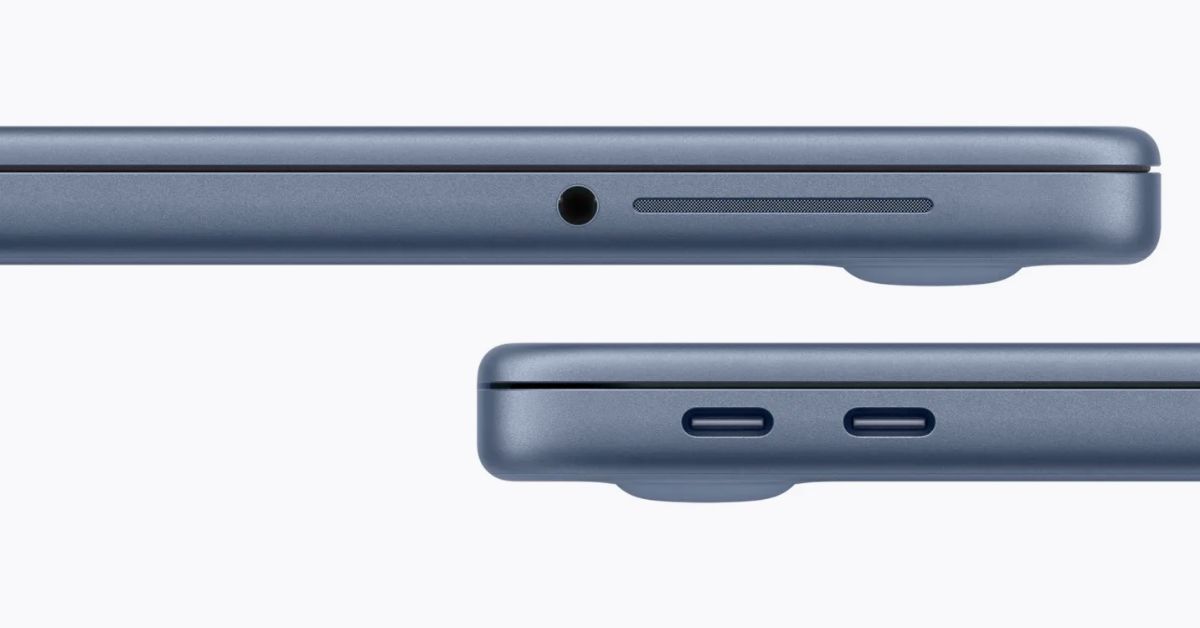
macOS Will Flag the Slower USB-C Port on MacBook Neo
The MacBook Neo includes two USB-C ports with different capabilities. The left port supports faster speeds and external displays, while the right port is limited to USB 2 speeds for charging and basic accessories.
VikhyatMarch 5, 2026
Apple Launched Studio Display and Studio Display XDR: Full Specs, Features, and Price
Apple launches Studio Display and Studio Display XDR built for creators with Thunderbolt 5, stunning visuals, and pro-level performance. Here’s all the specs, features, and price.
 Ava BiswasMarch 4, 2026
Apple Pre‑Orders Now Live for iPhone 17e, MacBook Neo, M5 Macs and More
Apple has opened global pre-orders for iPhone 17e, MacBook Neo, M5 Macs, and new Studio Displays. Here are the start times, products, and release date.
 Ravi Teja KNTSMarch 4, 2026