
iPhone 17e vs Google Pixel 10a: Which Budget Phone Actually Makes More Sense?
The iPhone 17e and Pixel 10a target the same budget segment but take different approaches. Here’s a detailed comparison of specs, features, and value.
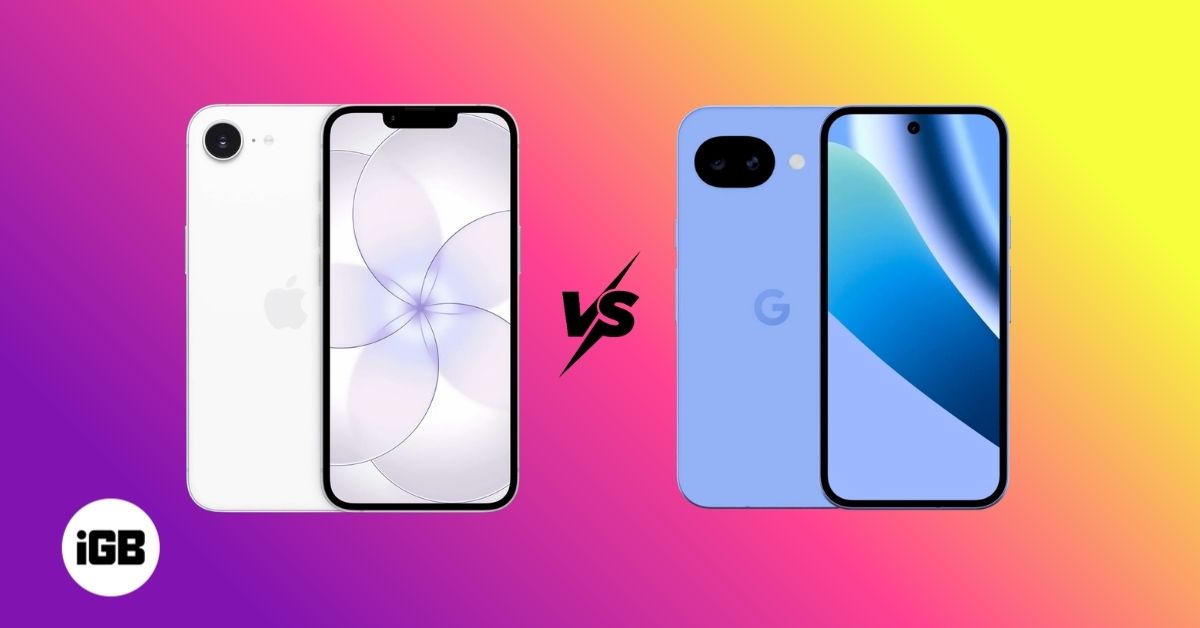
If you are shopping for a good phone without paying flagship prices, two devices are about to dominate the conversation in 2026: Apple’s iPhone 17e and Google’s Pixel 10a.
Both phones try to bring flagship‑level features to a much lower price. But they take very different approaches. Apple focuses on performance, battery life, and ecosystem features like MagSafe. Google leans heavily on AI features, camera flexibility, and a more affordable starting price.
So which one actually gives you more value? Let’s break it down piece by piece.
Price and Storage: Which Phone Offers Better Value?
This is the first place most buyers look, and it quickly changes how the two phones compare on value. The Pixel starts cheaper, but storage is what makes the comparison more interesting.
| Spec | iPhone 17e | Google Pixel 10a |
|---|---|---|
| Starting price | $599 | $499 |
| Base storage | 256GB | 128GB |
| Higher storage option | 512GB | 256GB |
| Price at 256GB | $599 | $599 |
| Top storage tier price | $799 (512GB) | $599 (256GB) |
| Value angle | More storage at base price | Lower entry price |
Price is usually the first thing people check when picking a mid-range phone. At first glance, the Pixel 10a clearly looks like the better deal, starting at $499 compared to the iPhone 17e’s $599.
But storage shifts the comparison. The Pixel 10a begins with 128GB, while the iPhone 17e starts at 256GB.
Once you upgrade the Pixel to 256GB, its price rises to $599, which is exactly the same as the base iPhone 17e. Apple also offers a 512GB option for $799.
So while the Pixel has the lower entry price, the difference mostly disappears if you want the same amount of storage.
Design and Build Quality: Size, Materials, and Durability
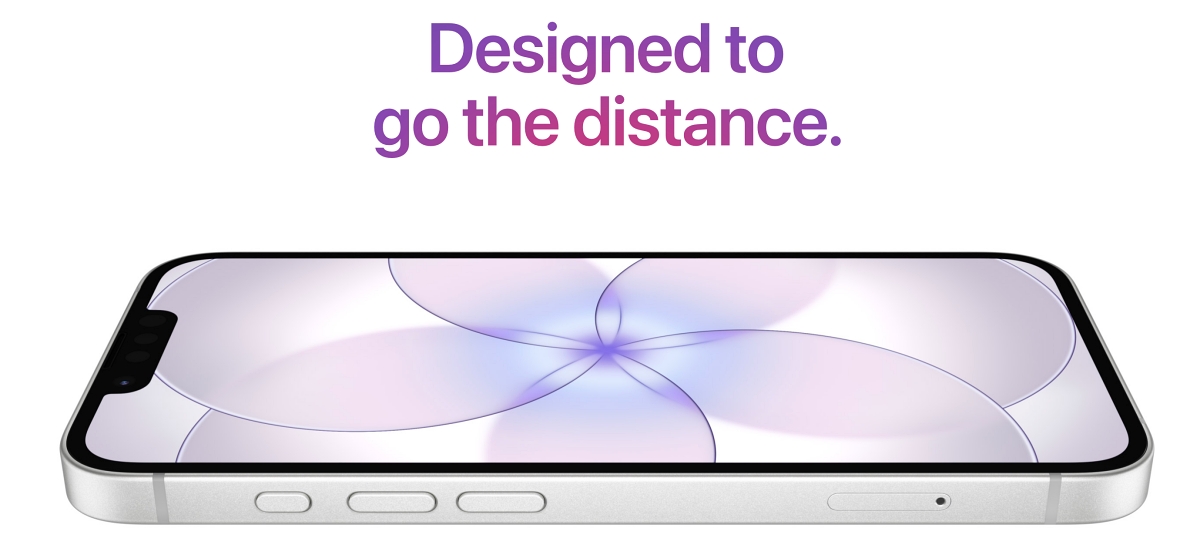
Both phones aim to feel more manageable than today’s oversized flagships, but they get there in slightly different ways. The table covers the detailed specs, while the real takeaway comes down to size, materials, and a few practical design choices that affect daily use.
| Spec | iPhone 17e | Google Pixel 10a |
|---|---|---|
| Dimensions | 5.78 × 2.82 × 0.31 inches | 6.1 × 2.9 × 0.4 inches |
| Weight | 5.96 oz / 169g | 6.5 oz / 183g |
| Frame material | Aluminum | Aluminum |
| Back material | Ceramic | Composite |
| Water and dust resistance | IP68 | IP68 |
| Water resistance | Up to 20 feet for 30 minutes | Up to 20 feet for 30 minutes |
| Colors | White, Black, Soft Pink | Lavender, Berry, Fog, Obsidian |
| SIM design | eSIM only | eSIM + physical nano-SIM |
| Design highlight | Smaller, lighter body | Flush camera housing and more color options |
The first thing you will notice is the size. The iPhone 17e is a bit smaller and lighter, which can make it slightly easier to use with one hand and more comfortable in pockets.
In terms of durability, both phones are on similar ground. They use aluminum frames and carry the same IP68 water and dust resistance rating, so protection is not really a deciding factor here.
The back materials are different. The Pixel 10a uses a composite back, while the iPhone 17e uses ceramic. In everyday use, this mostly changes how the phone feels in the hand, and if you are using a case, the difference almost disappears.
Google also keeps its flush camera bar design. Instead of sticking out like many camera bumps, it sits flat with the back of the phone, which some people prefer for a cleaner look.
Display Comparison: Brightness, Refresh Rate, and Clarity
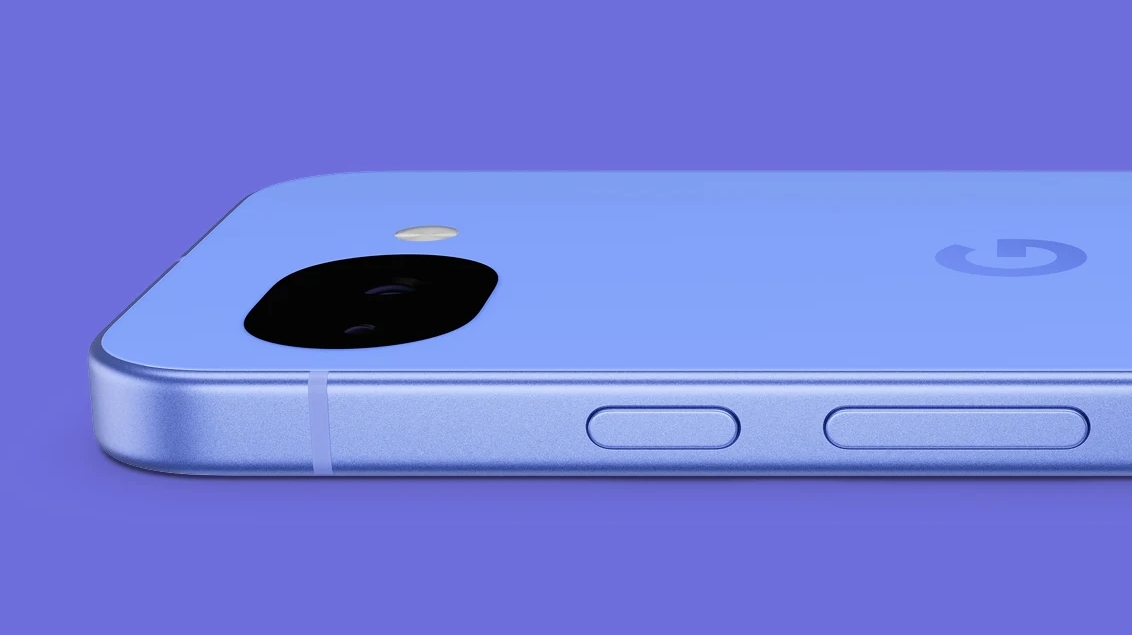
On paper, both displays look strong, but they prioritize different things. Apple focuses on sharpness and display clarity, while Google leans more toward brightness and smoother motion.
| Spec | iPhone 17e | Google Pixel 10a |
|---|---|---|
| Display size | 6.1-inch | 6.3-inch |
| Display type | Super Retina XDR OLED | Actua pOLED |
| Resolution | 2532 × 1170 | 2424 × 1080 |
| Pixel density | 460 ppi | 422 ppi |
| Refresh rate | 60Hz | 60Hz to 120Hz |
| Peak brightness | Up to 1,200 nits | Up to 3,000 nits |
| Cover protection | Ceramic Shield 2 | Not specified |
| Extra display note | Anti-glare coating | Smoother scrolling and gaming advantage |
The main difference comes down to how the screens feel in everyday use.
The iPhone 17e has a sharper display, thanks to its higher pixel density. Text and fine details may look slightly crisper, which is something Apple tends to prioritize.
The Pixel 10a, however, focuses on smoothness and brightness. Its refresh rate can scale from 60Hz up to 120Hz, which makes scrolling, animations, and gaming feel noticeably smoother.
Brightness is another area where the Pixel stands out. With peak brightness reaching up to 3,000 nits, it should remain easier to see outdoors in strong sunlight.
Apple includes Ceramic Shield 2 protection and an anti-glare coating, which should help with durability and screen readability.
Camera Comparison: iPhone 17e vs Pixel 10a Photography
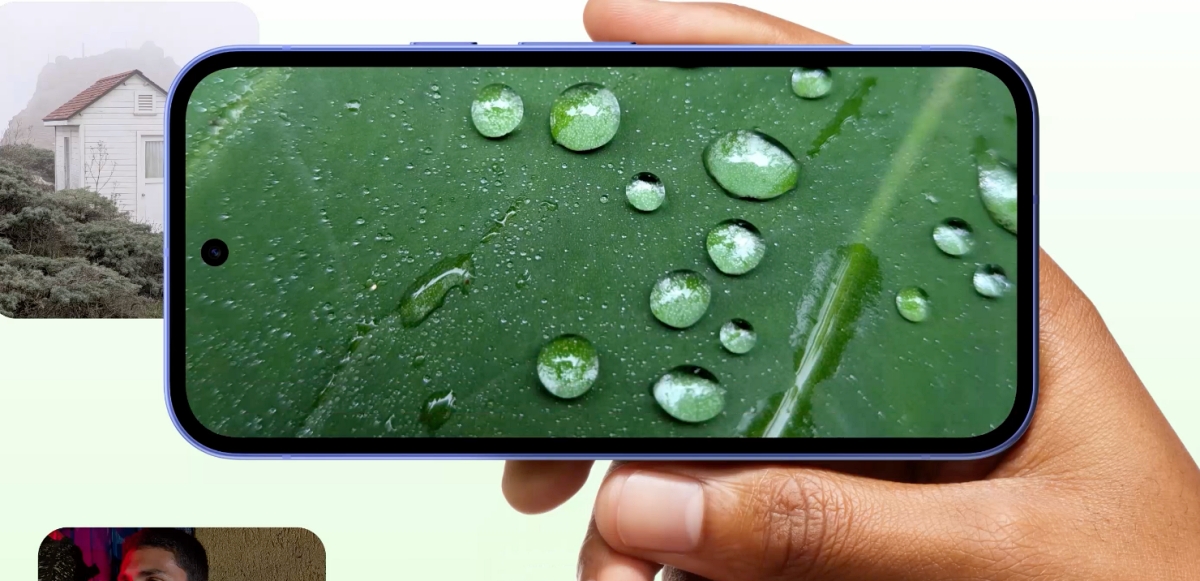
This is one of the biggest philosophical differences between the two phones. Apple keeps the camera system simple, while Google focuses on giving you more flexibility right out of the box.
| Spec | iPhone 17e | Google Pixel 10a |
|---|---|---|
| Main rear camera | 48MP, f/1.6 | 48MP, f/1.7 |
| Ultra-wide camera | No | 13MP, f/2.2 |
| Zoom | 2× optical zoom (sensor crop) | No dedicated optical zoom |
| Front camera | 12MP TrueDepth, f/1.9 | 13MP, f/2.2 |
| Camera flexibility | Single-camera simplicity | More versatile dual-camera setup |
| Extra camera tools | Standard Apple camera experience | Auto Best Take, Camera Coach, and other AI tools |
The biggest difference is the number of cameras.
The iPhone 17e relies on a single 48MP main camera. Apple uses sensor cropping to offer a 2× zoom option, which works well for closer shots but still comes from the same main lens.
The Pixel 10a includes a second camera. Alongside the 48MP main sensor, it adds a 13MP ultra-wide camera. That extra lens makes it easier to capture landscapes, large buildings, and group photos without needing to step back.
Selfie cameras are fairly close. The Pixel uses a 13MP front camera, while the iPhone has a 12MP TrueDepth camera with a wider f/1.9 aperture, which can help capture more light in indoor or low-light selfies.
In terms of actual photo and video quality, both phones perform closer to flagship devices than their price suggests. Colors, detail, and overall image quality are strong on both sides. Each phone has its own style and quirks, but in practice, you are unlikely to go wrong with either option when it comes to the final results.
Google also leans heavily on computational photography. Features like Auto Best Take and Camera Coach use AI to help pick better shots or guide framing, giving the Pixel a few extra tools for people who like experimenting with photos.
Performance: Apple A19 vs Google Tensor G4
If speed matters to you, this section becomes especially important. The raw hardware gap here is one of the clearest differences in the entire comparison.
| Spec | iPhone 17e | Google Pixel 10a |
|---|---|---|
| Chipset | Apple A19 | Google Tensor G4 |
| Positioning | Same chip used in iPhone 17 | Reused from Pixel 9a generation |
| Single-core benchmark example | 3,701 | 1,707 |
| Multi-core benchmark example | 9,460 | 4,512 |
| Graphics benchmark example | 130.97 fps (WildLife Original Unlimited) | 57.44 fps (WildLife Original Unlimited) |
| Video export example | 0:22 (Adobe Premiere Rush) | 1:24 (Adobe Premiere Rush) |
| Performance takeaway | Clearly faster for heavy tasks | Adequate, but slower on paper |
The biggest difference comes from the processor.
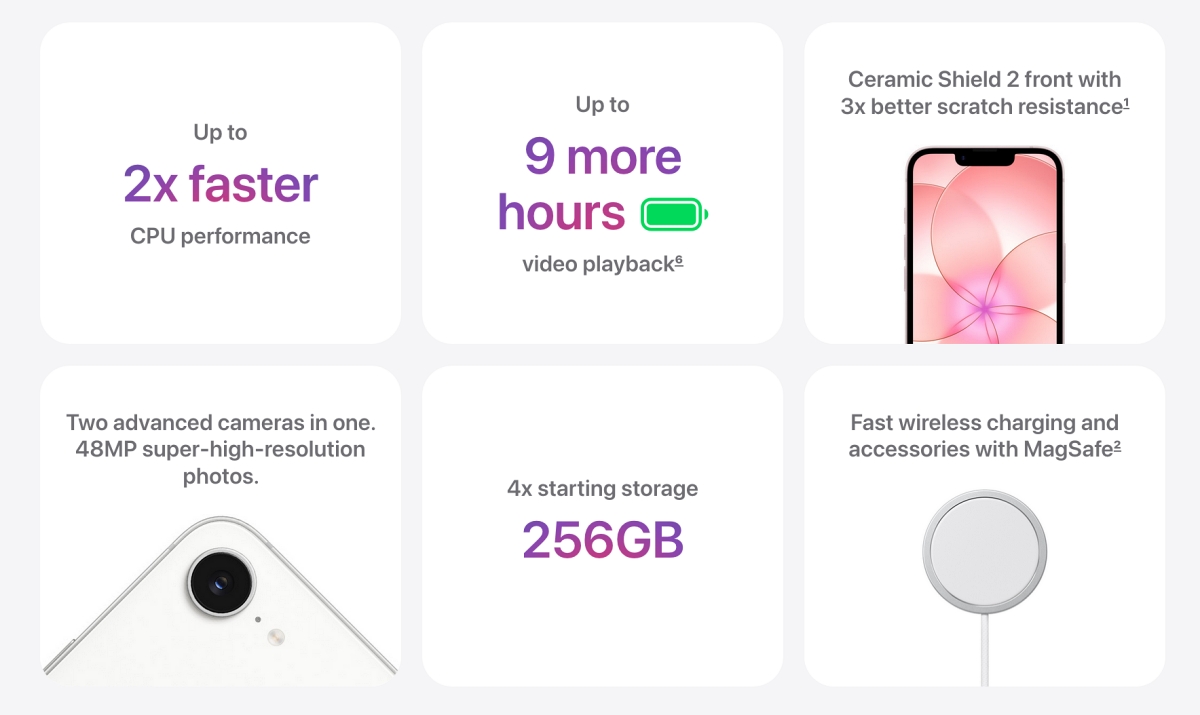
The iPhone 17e runs on Apple’s A19 chip, the same processor used in the standard iPhone 17. That gives it a clear advantage in raw speed and graphics performance.
Google uses the Tensor G4 in the Pixel 10a, which is the same chip used in the previous generation Pixel lineup. It is capable for everyday tasks, but it does not compete with Apple’s chip in pure performance.
That gap shows up clearly in benchmarks and heavier workloads. Tasks like gaming, exporting videos, or running demanding apps finish much faster on the iPhone.
For normal daily use, such as messaging, social media, navigation, and photography, both phones still feel smooth. But if you care about raw speed, gaming, or keeping the phone fast for many years, the iPhone 17e has a noticeable advantage here.
Battery Life and Charging: Which Phone Lasts Longer?
Battery and charging shape the daily experience more than people expect. This is also one area where official claims and real-world results do not always match perfectly.
| Spec | iPhone 17e | Google Pixel 10a |
|---|---|---|
| Battery capacity | Not officially listed | 5,100 mAh |
| Official battery claim | Up to 21 hours video streaming | Up to 30 hours mixed use |
| Wired charging | 20W | 30W |
| Wireless charging | 15W | 10W |
| Magnetic charging | MagSafe / Qi2-style magnetic support | No magnetic charging |
| Accessory ecosystem | Strong MagSafe accessory support | Standard wireless charging |
| Battery expectation | Historically strong real-world endurance | Large battery on paper |
The Pixel 10a looks stronger on paper. It includes a large 5,100 mAh battery and supports faster 30W wired charging.
The iPhone 17e does not list its battery capacity, but Apple claims up to 21 hours of video streaming. Apple’s efficiency with its chips and software often helps iPhones last longer than their battery size suggests.
In previous battery tests, iPhones have often outlasted Pixel phones under similar conditions, so real-world endurance may end up closer than the numbers suggest.
Charging features also differ. The iPhone 17e supports MagSafe with up to 15W wireless charging, which enables magnetic accessories like wallets, chargers, and car mounts.
The Pixel supports standard wireless charging at 10W, but it does not include Qi2 or magnetic accessory support.
Connectivity: 5G, Wi-Fi, SIM Options, and Everyday Convenience
These details are easy to overlook, but they start to matter once you use the phone every day. Wi-Fi support, SIM options, and small connectivity features can affect how convenient the phone feels in real life.
| Spec | iPhone 17e | Google Pixel 10a |
|---|---|---|
| 5G | Sub-6GHz 5G | Sub-6GHz 5G |
| LTE | Yes | Yes |
| Bluetooth | Bluetooth 6 | Bluetooth 6 |
| Wi-Fi | Wi-Fi 6 | Wi-Fi 6E |
| eSIM support | Dual eSIM | Yes |
| Physical SIM support | No | Yes, nano-SIM |
| mmWave 5G | No | No |
| Convenience edge | Apple ecosystem integration | Better Wi-Fi and SIM flexibility |
Most of the core connectivity features are the same. Both phones support Sub-6GHz 5G, LTE, and Bluetooth 6, so day-to-day connectivity will feel similar.
The Pixel 10a does have a small advantage with Wi-Fi 6E support, which allows access to faster 6GHz Wi-Fi networks if your router supports it.
SIM flexibility is another difference. The Pixel includes both eSIM support and a physical nano-SIM slot, while the iPhone 17e is fully eSIM-only.
For people who frequently swap SIM cards, travel often, or prefer using physical SIMs, the Pixel offers a bit more flexibility here.
AI Features and Software: iOS 26 vs Android 16
Software is where these phones begin to feel very different in real life. It is not just about iOS versus Android anymore, but also about how each company is approaching AI and system features.
| Spec | iPhone 17e | Google Pixel 10a |
|---|---|---|
| Operating system | iOS 26 | Android 16 |
| AI platform | Apple Intelligence | Gemini |
| Assistant experience | Improving, but less cohesive | More conversational and integrated |
| Writing and generation tools | Some features rely on ChatGPT integration | Built-in Gemini and Pixel AI tools |
| Highlight features | Apple Intelligence, personalization, Liquid Glass UI | Gemini Live, Circle to Search, Pixel Studio, Call Screening, Nano Banana |
| Software strength | Tight Apple ecosystem and clean UI | Broader AI feature set and smarter automation |
The Pixel 10a runs Android 16 and centers much of its experience around Google’s Gemini AI system. Gemini powers a range of features directly across the phone.
Some of the most notable ones include Gemini Live for conversational interactions, Circle to Search for quick visual lookups, Pixel Studio for generating images, and Call Screening to filter unknown calls automatically.
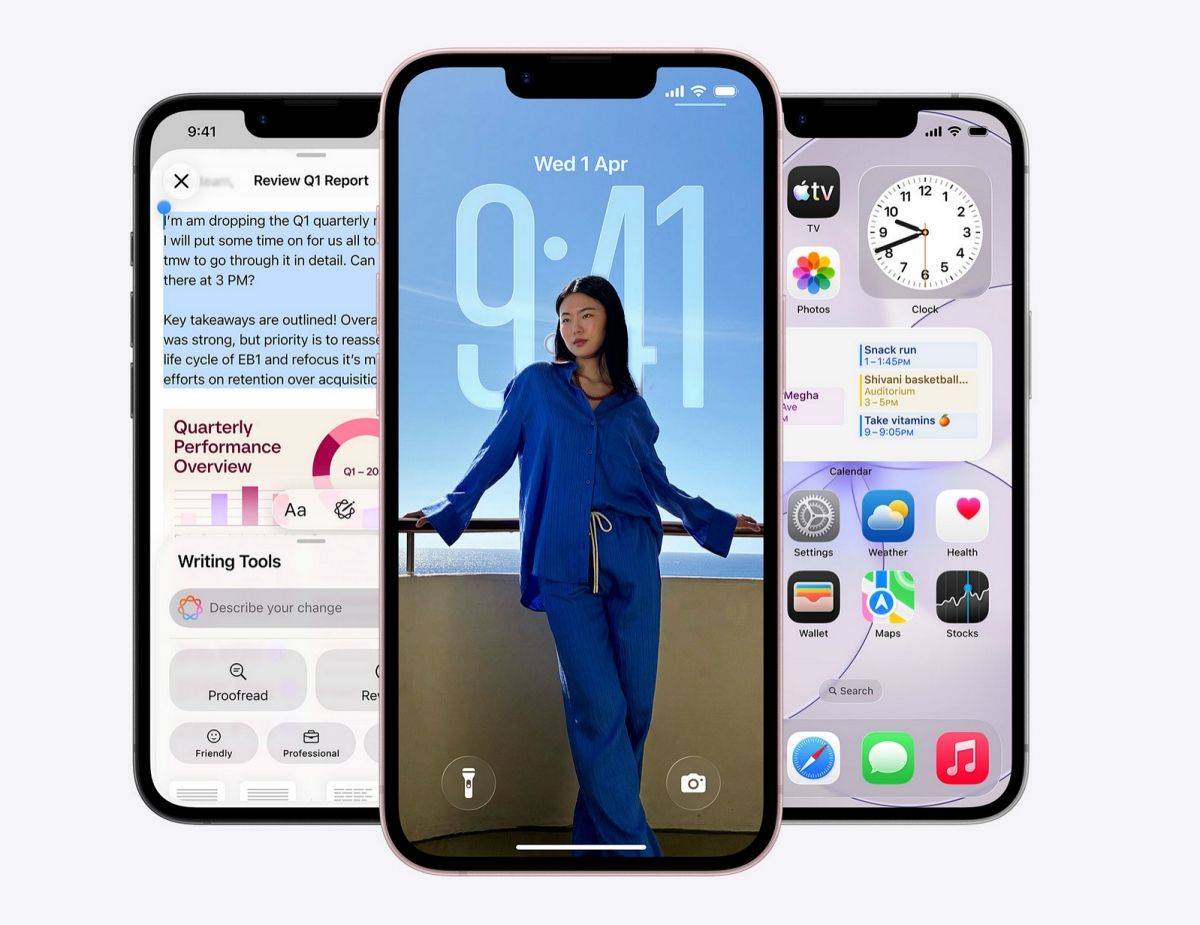
The iPhone 17e runs iOS 26 with Apple Intelligence built into the system. Apple focuses more on integrating AI into everyday tools like writing assistance, notifications, and system personalization. Some generative tasks still rely on integrations such as ChatGPT.
Because of that, Google’s AI features currently feel broader and more deeply integrated across the system. Apple’s strength, on the other hand, is its clean interface and tight ecosystem integration with other Apple devices.
iPhone 17e vs Pixel 10a: Quick Specs Comparison
Before wrapping up, it helps to look at the major specs in one place. This gives you a cleaner view of where each phone is stronger before the final call.
| Spec | iPhone 17e | Google Pixel 10a |
|---|---|---|
| Price | $599 | $499 |
| Display | 6.1-inch OLED, 60Hz | 6.3-inch OLED, 120Hz |
| Rear cameras | 48MP main | 48MP main + 13MP ultra-wide |
| Front camera | 12MP | 13MP |
| Chip | A19 | Tensor G4 |
| Storage | 256GB, 512GB | 128GB, 256GB |
| Charging | 20W wired, 15W wireless MagSafe | 30W wired, 10W wireless |
| Water resistance | IP68 | IP68 |
| Size | 146.7 × 71.5 × 7.8 mm | 153.9 × 73 × 9 mm |
| Weight | 169g | 183g |
Final Verdict: iPhone 17e or Pixel 10a – Which One Is Worth Buying?
The iPhone 17e and Pixel 10a take different approaches to the mid-range category.
The iPhone 17e stands out with a much faster processor, better long-term performance, higher base storage, and the MagSafe accessory ecosystem.
The Pixel 10a stands out with a lower starting price, a 120Hz display, an ultra-wide camera, and stronger built-in AI features.
Both phones deliver camera and video quality close to flagship devices, so image quality alone is unlikely to be a deciding factor.
If performance and ecosystem matter more, the iPhone 17e is the stronger choice. If price, display smoothness, and AI features matter more, the Pixel 10a offers better value.
For many buyers, the final decision will simply come down to iOS versus Android.

Written by
Ravi Teja KNTSI’ve been writing about tech for over 5 years, with 1000+ articles published so far. From iPhones and MacBooks to Android phones and AI tools, I’ve always enjoyed turning complicated features into simple, jargon-free guides. Recently, I switched sides and joined the Apple camp. Whether you want to try out new features, catch up on the latest news, or tweak your Apple devices, I’m here to help you get the most out of your tech.
View all posts →More from Editorial
Buying iPhone in 2026: Which iPhone Should You Buy?
Expert advice on choosing the right iPhone for you.
 Ava BiswasMarch 9, 2026
Upcoming Apple Products in 2026: Full List of What to Expect
Uncover the biggest Apple product launches coming in 2026, including new iPhones, Macs, smart home devices, and the company’s boldest innovations yet.
Ava BiswasMarch 6, 2026
A18 Pro vs M1: How Apple’s iPhone Chip Compares to the First Mac Silicon
Apple transitioned away from Intel to Apple Silicon in 2020 with the introduction of the M1 chip. Devices powered by the M1 chip, such as the MacBook Air and Mac mini, set a new benchmark for performance and efficiency. Fast forward four years, Apple introduced the A18 Pro chip in the iPhone 16 Pro, which […]
 VikhyatMarch 6, 2026