
Foldable iPhone Won’t Get Under-Screen Touch ID
Analyst Ming-Chi Kuo dismisses rumors of under-screen Touch ID on Apple’s foldable iPhone, pointing instead to a side-button sensor for 2026.
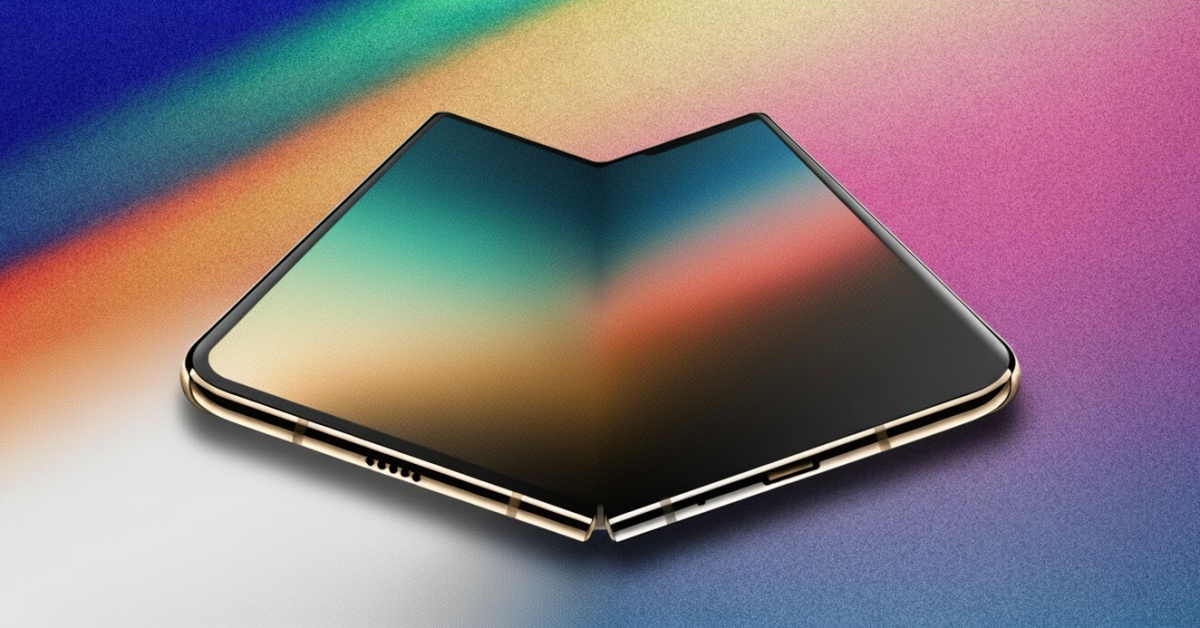
- Kuo Dismisses Under-Screen Fingerprint Rumor: Expert Ming-Chi Kuo predicts that the 2026 foldable iPhone will use side button Touch ID instead of under-screen fingerprint sensors, citing design constraints like thickness and cost.
- Supply Chain Reports Suggest Alternative Tech: Some reports claim Apple might be using Qualcomm’s under-screen fingerprint technology with GIS as the supplier, indicating ongoing design refinements and possible use of under-display fingerprinting.
- Design Challenges for Foldable iPhone: The foldable iPhone is expected to be around 4.5mm thick, making under-screen fingerprint sensors challenging; thus, Touch ID or Face ID alternatives are being evaluated.
- Conflicting Rumors Highlight Uncertainty: While Kuo insists on side-mounted Touch ID, other sources suggest Apple might also consider under-display fingerprint solutions, reflecting ongoing experimentation.
- Expected Features of the Foldable iPhone: The upcoming foldable iPhone will likely prioritize slimness with a thickness under 4.5mm, with details about biometric authentication still uncertain as Apple continues product development.
Apple’s first foldable iPhone is shaping up to be one of the most anticipated launches in years, but not every rumor about it is sticking. The latest buzz suggested Apple would bring back fingerprint recognition through an under-screen ultrasonic sensor. However, veteran analyst Ming-Chi Kuo says that’s not happening, and he’s doubling down on his original prediction.
Kuo Dismisses Under-Screen Fingerprint Rumor
Back in March, Kuo forecasted that the 2026 foldable iPhone would rely on Touch ID built into the side button, skipping Face ID altogether. This week, he reiterated that stance on X, saying under-screen Touch ID is “unlikely.” He adds that Luxshare ICT will be the supplier for the side-button module. Apple has used this design before on the iPad Air and iPad mini, so it’s a proven path.
The reasoning is clear: Face ID’s TrueDepth module is too thick for a foldable phone expected to measure just 4.5mm when unfolded. Adding two Face ID systems for both screens would also drive costs up. A single side-button Touch ID keeps things slimmer and cheaper.
Supply Chain Reports Say Otherwise
Not everyone agrees. Taiwan’s United Daily News claims Apple is finalizing the use of Qualcomm’s under-screen fingerprint tech, with GIS, a Foxconn subsidiary, tapped as the supplier. GIS has long produced similar modules for Samsung, making it a credible option. According to this report, Apple wants to keep the body thin while reviving fingerprint recognition in a new form, i.e under-display.
The conflicting claims show Apple is still refining the design. But Kuo’s consistency, repeating the same prediction for months, makes his version hard to ignore.
What To Expect From The Foldable iPhone
Leaks point to a foldable with a 7.8-inch inner display, a 5.5-inch outer screen, and dual cameras on both sides. Pricing could sit around $2,000 to $2,500, with production expected in late 2026. We are still in the early stages of the product cycle, and details could change in the future. For now, we have conflicting leaks and nothing is confirmed.

Written by
Ravi Teja KNTSI’ve been writing about tech for over 5 years, with 1000+ articles published so far. From iPhones and MacBooks to Android phones and AI tools, I’ve always enjoyed turning complicated features into simple, jargon-free guides. Recently, I switched sides and joined the Apple camp. Whether you want to try out new features, catch up on the latest news, or tweak your Apple devices, I’m here to help you get the most out of your tech.
View all posts →More from News
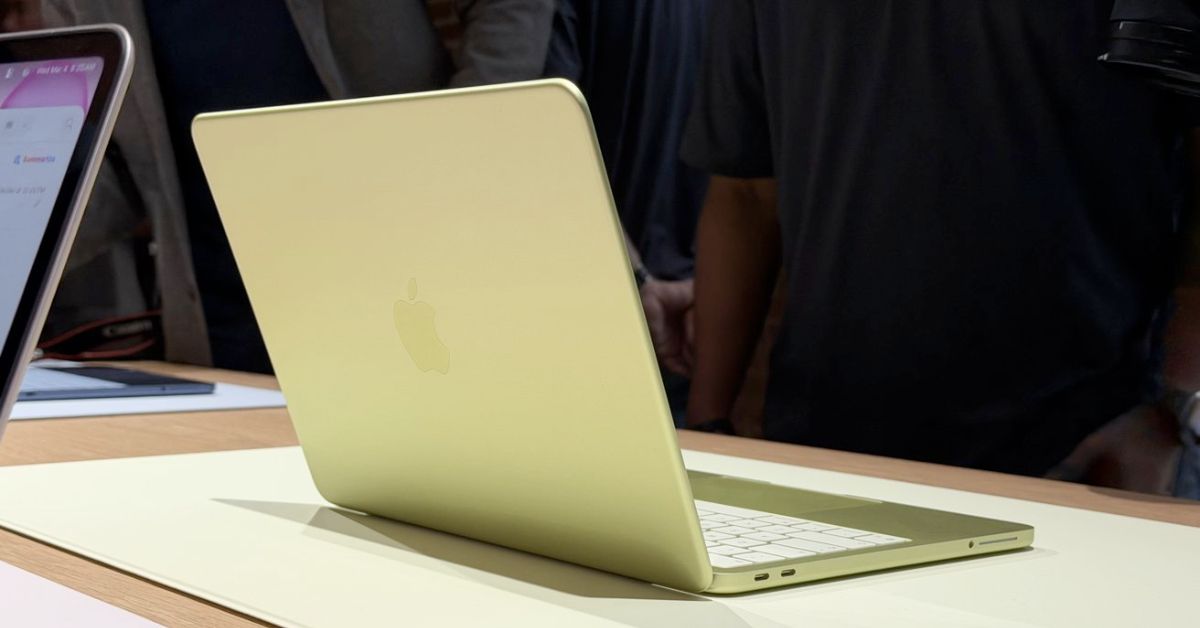
First MacBook Neo Benchmarks Reveal Power of Apple’s A18 Pro Chip
The first MacBook Neo benchmarks are now online, revealing how Apple’s A18 Pro chip performs inside a laptop. Early results show impressive single-core performance that even surpasses the original M1 MacBook Air.
 VikhyatMarch 6, 2026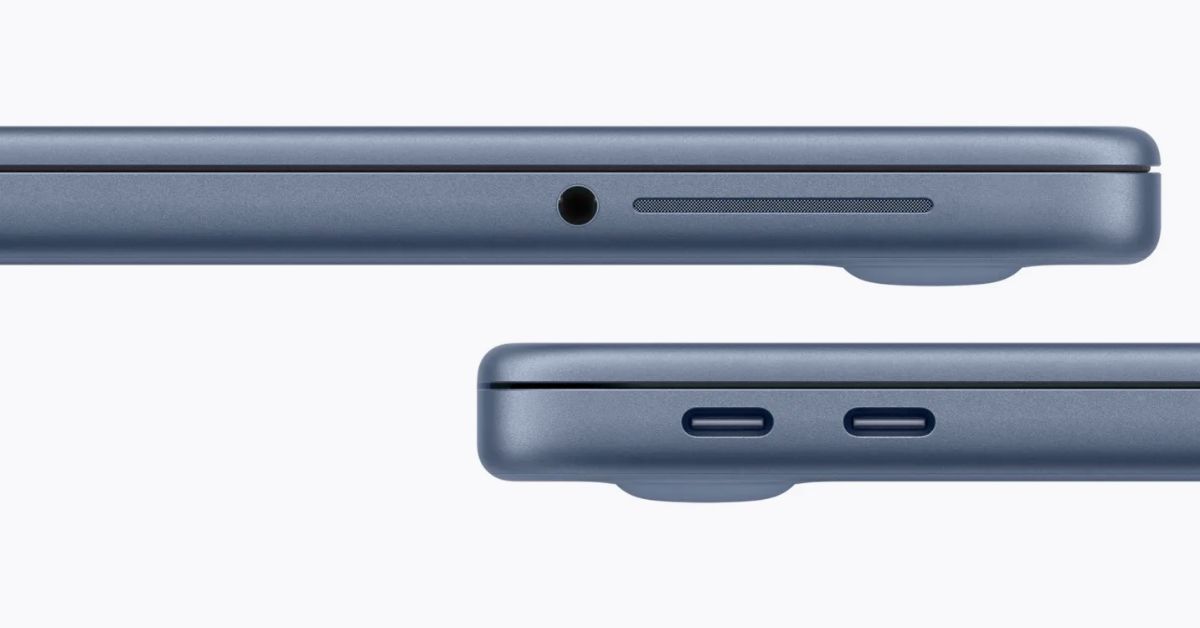
macOS Will Flag the Slower USB-C Port on MacBook Neo
The MacBook Neo includes two USB-C ports with different capabilities. The left port supports faster speeds and external displays, while the right port is limited to USB 2 speeds for charging and basic accessories.
VikhyatMarch 5, 2026
Apple Launched Studio Display and Studio Display XDR: Full Specs, Features, and Price
Apple launches Studio Display and Studio Display XDR built for creators with Thunderbolt 5, stunning visuals, and pro-level performance. Here’s all the specs, features, and price.
 Ava BiswasMarch 4, 2026