
Government Appeals Google Search Ruling, Keeping Pressure on Apple Deal
The U.S. government is appealing a ruling that allowed Google to keep paying for default search placement, keeping pressure on its powerful Apple partnership.
The U.S. antitrust case against Google is far from over. The Department of Justice, along with several states, has appealed a court ruling that allowed Google to keep major parts of its search business unchanged. The move signals that regulators believe the court did not go far enough in limiting Google’s power over online search.
At the center of the dispute is Google’s long running practice of paying companies, including Apple, to make its search engine the default option. While a judge ruled that Google broke the law to protect its dominance, the remedies imposed so far have allowed many of those deals to continue.
A Judge Found Google Broke the Law to Protect Its Search Power
In August 2024, a federal judge ruled that Google illegally maintained its dominance in the U.S. search market. The court found that Google used unfair tactics, including agreements with major partners, to make it harder for rival search engines to compete.
Rather than ordering immediate and dramatic changes, the court moved the case into a remedies phase. This stage focused on deciding how Google’s behavior should be corrected without causing major disruption to consumers or business partners.
The Court Allowed Google to Keep Paying for Default Search Status
The final remedies ruling, issued last September, placed limits on Google but stopped short of the toughest penalties regulators had requested. The judge rejected calls to force Google to break up parts of its business or to ban payments for default search placement entirely.
Under the ruling, Google can continue paying companies to make its search engine the default option. However, those deals cannot be exclusive, must be reviewed every year, and cannot include incentives that lock partners in for the long term. The court also decided that forcing new choice screens on users would not meaningfully increase competition.
Apple Can Keep Google as Default While Exploring Other Options
Apple remains a key player because it controls search defaults on popular devices. The ruling allows Apple to keep Google as the default search engine while still giving Apple the freedom to promote or integrate alternative search tools.
The decision also prevents agreements from blocking Apple’s ability to work with non-Google AI assistants. This reflects the court’s view that newer technologies could change how people search for information in the future.
The DOJ and States Say the Remedies Do Not Go Far Enough
After the final judgment was entered in December, Google appealed the ruling. The Department of Justice and a group of states have now filed their own appeal with the federal appeals court.
Although regulators have not yet detailed which parts of the ruling they will challenge, the appeal suggests they want stronger limits on Google’s business practices. The government appears to be seeking changes that would give rival search companies a better chance to compete.
The Legal Fight Will Continue for Months
The appeals process is expected to take a long time, possibly extending well into next year. During that period, the current rules will stay in place, and Google’s existing partnerships can continue.
With both sides appealing, the final outcome remains uncertain. The decision could shape how search engines compete, how tech companies strike major deals, and how people access information online for years to come.

Written by
Ravi Teja KNTSI’ve been writing about tech for over 5 years, with 1000+ articles published so far. From iPhones and MacBooks to Android phones and AI tools, I’ve always enjoyed turning complicated features into simple, jargon-free guides. Recently, I switched sides and joined the Apple camp. Whether you want to try out new features, catch up on the latest news, or tweak your Apple devices, I’m here to help you get the most out of your tech.
View all posts →More from News
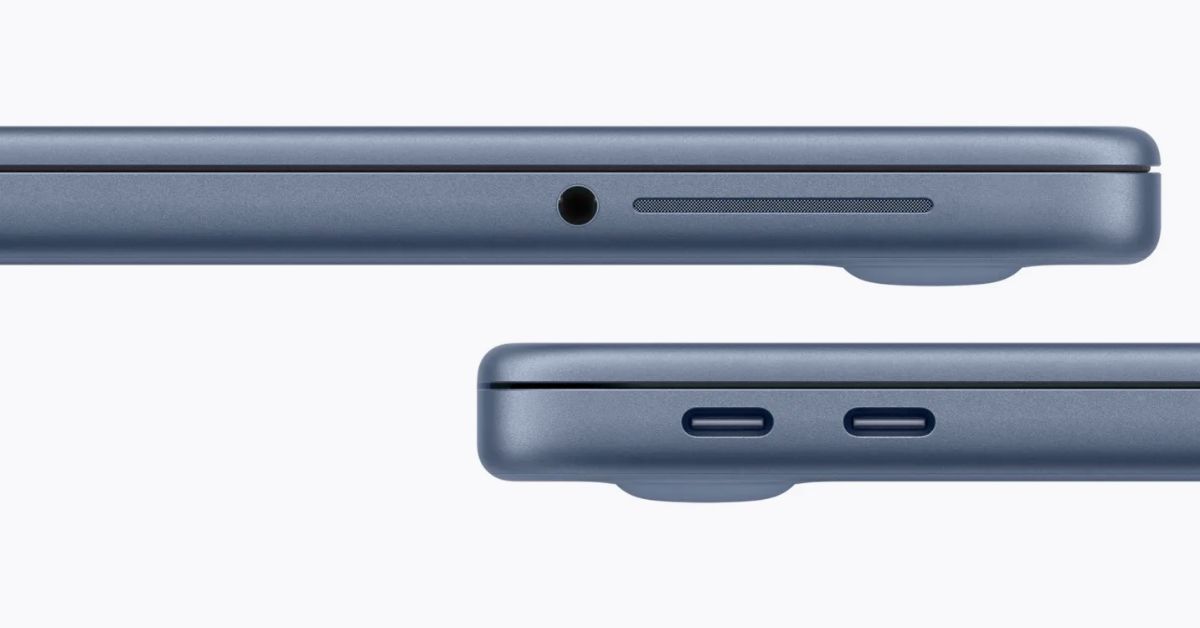
macOS Will Flag the Slower USB-C Port on MacBook Neo
The MacBook Neo includes two USB-C ports with different capabilities. The left port supports faster speeds and external displays, while the right port is limited to USB 2 speeds for charging and basic accessories.
 VikhyatMarch 5, 2026
Apple Launched Studio Display and Studio Display XDR: Full Specs, Features, and Price
Apple launches Studio Display and Studio Display XDR built for creators with Thunderbolt 5, stunning visuals, and pro-level performance. Here’s all the specs, features, and price.
 Ava BiswasMarch 4, 2026
Apple Pre‑Orders Now Live for iPhone 17e, MacBook Neo, M5 Macs and More
Apple has opened global pre-orders for iPhone 17e, MacBook Neo, M5 Macs, and new Studio Displays. Here are the start times, products, and release date.
Ravi Teja KNTSMarch 4, 2026