
Apple Watch May Help Detect AFib After Treatment, Study Finds
A new study suggests the Apple Watch may play a valuable role after atrial fibrillation treatment, helping patients detect recurrence earlier and avoid unexpected hospitalizations.
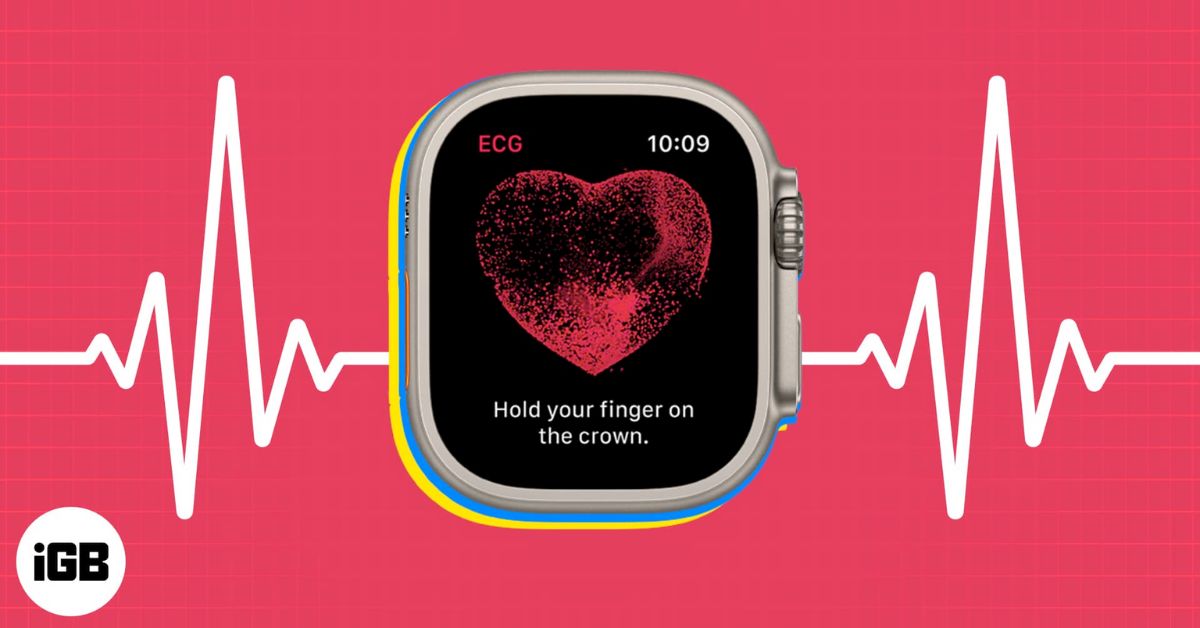
The Apple Watch may be useful not only for spotting heart problems early, but also for monitoring patients after treatment, according to new research. A clinical trial suggests that regular use of the smartwatch can help detect recurring atrial fibrillation (AFib) sooner and reduce unexpected hospital visits.
Studying Recovery After AFib Ablation
The study followed patients who had undergone atrial fibrillation catheter ablation, a minimally invasive procedure designed to restore a normal heart rhythm. While the treatment is widely used, AFib can return, sometimes without noticeable symptoms, making follow-up care especially important.
Researchers at St Bartholomew’s Hospital in London enrolled 168 patients and tracked them for a year. Half of the participants were given an Apple Watch Series 5 and asked to record an ECG every day, as well as whenever the watch prompted them. The remaining patients received standard care, which involved scheduled visits with a heart rhythm specialist.
Earlier Detection and Fewer Hospital Visits
Patients using the Apple Watch were more likely to have a recurrence of AFib detected, and it was identified sooner than in the standard-care group. The smartwatch also picked up more intermittent episodes that might otherwise go unnoticed during routine checkups.
Just as importantly, patients wearing the Apple Watch experienced fewer unplanned hospitalizations. Researchers say the device helped distinguish between serious heart rhythm issues and less concerning symptoms, reducing unnecessary emergency visits.
What It Means for Wearable Health Tech
The findings suggest that smartwatch-based monitoring can play a meaningful role in post-treatment care. By shortening the time to detect recurring heart rhythm problems and reducing hospital visits, consumer wearables like the Apple Watch could become a useful addition to structured medical follow-up.
As health features continue to expand, the study adds to growing evidence that smartwatches may support long-term care, not just by identifying conditions early, but by helping patients and doctors manage recovery more effectively.

Written by
Ravi Teja KNTSI’ve been writing about tech for over 5 years, with 1000+ articles published so far. From iPhones and MacBooks to Android phones and AI tools, I’ve always enjoyed turning complicated features into simple, jargon-free guides. Recently, I switched sides and joined the Apple camp. Whether you want to try out new features, catch up on the latest news, or tweak your Apple devices, I’m here to help you get the most out of your tech.
View all posts →More from News
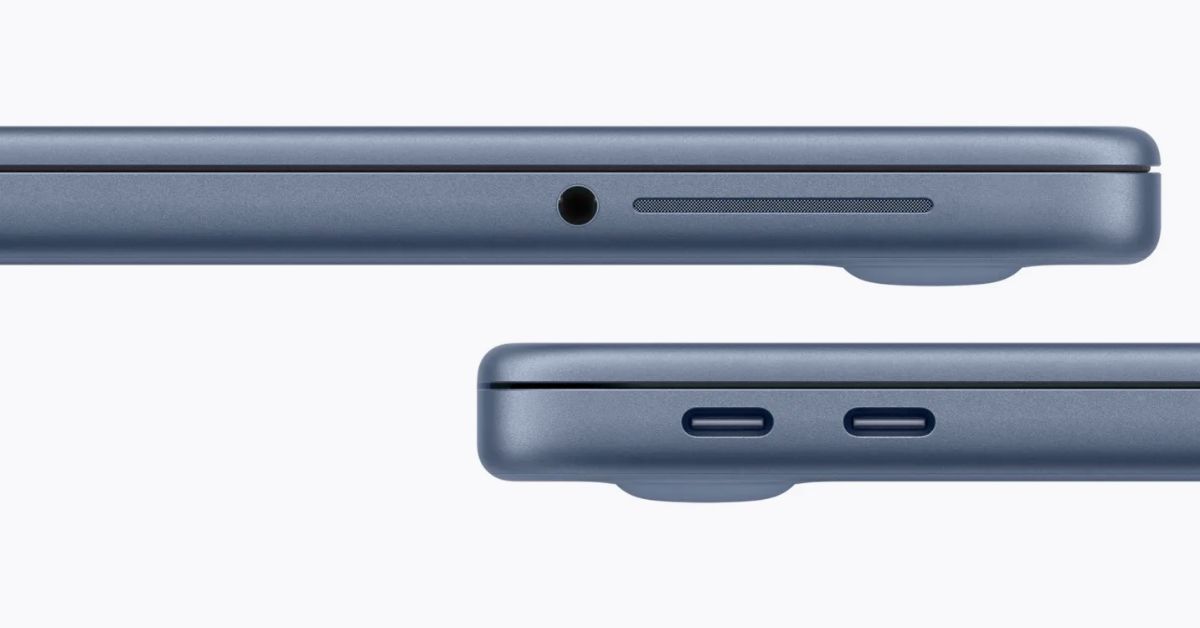
macOS Will Flag the Slower USB-C Port on MacBook Neo
The MacBook Neo includes two USB-C ports with different capabilities. The left port supports faster speeds and external displays, while the right port is limited to USB 2 speeds for charging and basic accessories.
 VikhyatMarch 5, 2026
Apple Launched Studio Display and Studio Display XDR: Full Specs, Features, and Price
Apple launches Studio Display and Studio Display XDR built for creators with Thunderbolt 5, stunning visuals, and pro-level performance. Here’s all the specs, features, and price.
 Ava BiswasMarch 4, 2026
Apple Pre‑Orders Now Live for iPhone 17e, MacBook Neo, M5 Macs and More
Apple has opened global pre-orders for iPhone 17e, MacBook Neo, M5 Macs, and new Studio Displays. Here are the start times, products, and release date.
Ravi Teja KNTSMarch 4, 2026