
Apple Reclaims Top Spot in China Smartphone Market in Q4 2025
Apple staged a strong comeback in China’s smartphone market during Q4 2025. Driven by iPhone 17 demand and improved supply, the company climbed back to first place even as overall shipments declined.
Apple returned to the top of China’s smartphone market in the fourth quarter of 2025, marking a sharp turnaround after a challenging year. The company’s resurgence came at a time when the overall market was contracting, highlighting the impact of strong demand for its latest iPhone lineup during the holiday season.
A Market Under Pressure
According to Counterpoint Research, China’s smartphone shipments declined year over year in the fourth quarter, reflecting weaker consumer demand. Rising component and memory prices pushed device costs higher, making buyers more cautious and putting pressure on most major brands operating in the country.
Against this backdrop, Apple stood out. The company recorded strong shipment growth in China during the quarter, allowing it to capture a 22 percent market share and secure first place, even as the broader market moved in the opposite direction.
iPhone 17 Powered Apple’s Comeback
The iPhone 17 lineup was the primary driver behind Apple’s Q4 performance. A significant share of the company’s China shipments came from these models, with the Pro variants attracting the strongest interest. The lineup helped Apple appeal to buyers who were still willing to spend on premium devices despite rising prices.
Apple’s improved supply situation also played a role. With a faster ramp-up toward the end of the year, the company was better positioned to meet holiday demand, while some competitors continued to face component-related constraints.
iPhone Air Lagged Behind
Not all models contributed equally to Apple’s rebound. The iPhone Air saw limited traction in China during the quarter. Its later launch and trade-offs linked to its ultra-thin design held back demand, leaving it with only a small share of Apple’s total shipments compared to other iPhone 17 models.
Full-Year Rankings Tell a Different Story
Despite Apple’s strong finish, the full-year picture remained highly competitive. Huawei emerged as the leading smartphone brand in China for 2025, with Apple and vivo close behind. Xiaomi and Oppo followed, underscoring how narrow the gap was between the top players throughout the year.
Globally, Apple maintained its leadership position. Worldwide smartphone shipments saw modest growth in 2025, and Apple remained the largest smartphone vendor by shipment volume.
Rising Costs Could Shape 2026
Looking ahead, the outlook for the smartphone market remains uncertain. Memory prices are expected to rise further in early 2026, which could increase device prices and pressure margins. Manufacturers may respond by reducing their focus on low-end models and relying more heavily on subsidies to sustain demand.
Apple’s Q4 performance in China shows that strong flagship appeal and solid supply execution can still deliver results in a difficult market. Whether that momentum carries into 2026 will depend largely on pricing trends and how competition evolves in the months ahead.

Written by
Ravi Teja KNTSI’ve been writing about tech for over 5 years, with 1000+ articles published so far. From iPhones and MacBooks to Android phones and AI tools, I’ve always enjoyed turning complicated features into simple, jargon-free guides. Recently, I switched sides and joined the Apple camp. Whether you want to try out new features, catch up on the latest news, or tweak your Apple devices, I’m here to help you get the most out of your tech.
View all posts →More from News
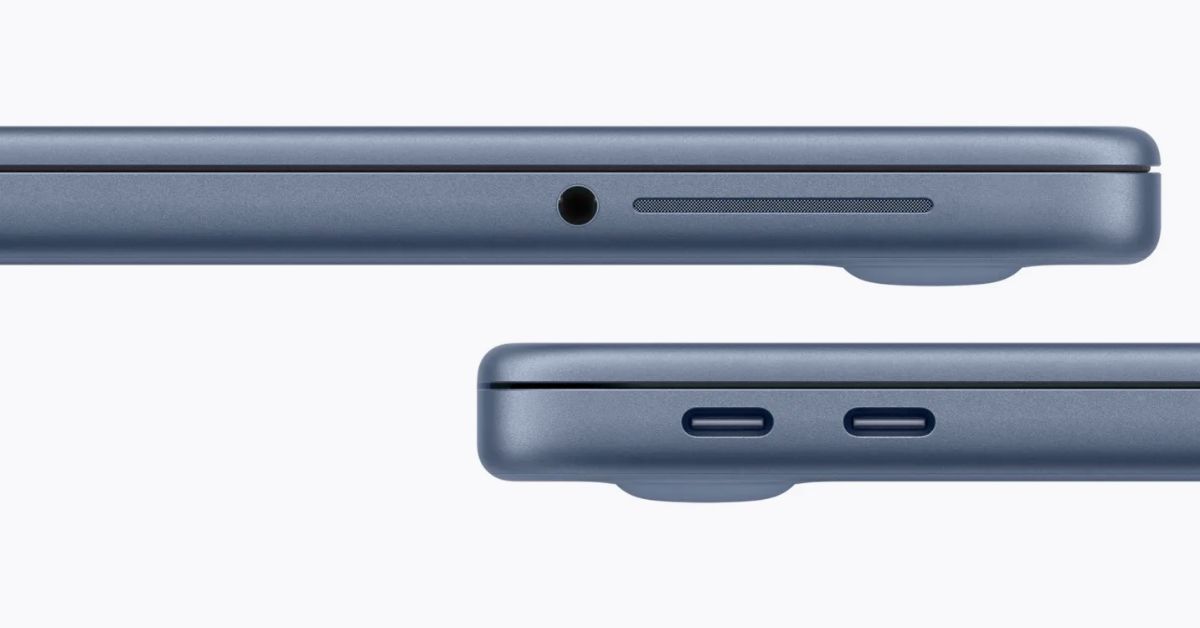
macOS Will Flag the Slower USB-C Port on MacBook Neo
The MacBook Neo includes two USB-C ports with different capabilities. The left port supports faster speeds and external displays, while the right port is limited to USB 2 speeds for charging and basic accessories.
 VikhyatMarch 5, 2026
Apple Launched Studio Display and Studio Display XDR: Full Specs, Features, and Price
Apple launches Studio Display and Studio Display XDR built for creators with Thunderbolt 5, stunning visuals, and pro-level performance. Here’s all the specs, features, and price.
 Ava BiswasMarch 4, 2026
Apple Pre‑Orders Now Live for iPhone 17e, MacBook Neo, M5 Macs and More
Apple has opened global pre-orders for iPhone 17e, MacBook Neo, M5 Macs, and new Studio Displays. Here are the start times, products, and release date.
Ravi Teja KNTSMarch 4, 2026