
Apple’s Next Month at a Glance: Key Dates to Watch From Late January to February 2026
Apple’s quiet start to 2026 is ending. From earnings and creator tools to Apple Arcade games and smart home changes, here are the key Apple dates to watch through February.
Apple’s early 2026 calendar is finally taking shape, and the weeks ahead signal a clear shift from a quiet start to a much busier stretch. While there is still no confirmed product launch on the horizon, Apple has lined up several important dates that touch its services, retail presence, developer ecosystem, and financial performance. Together, they offer a clear snapshot of where the company’s focus lies as the year gains momentum.
January 23: Apple Relocates Its Santa Rosa Retail Store
Apple’s first confirmed date arrives on January 23, when its Santa Rosa retail store in California reopens at a new location in Montgomery Village.
Retail store moves are often overlooked, but Apple treats them as an extension of its brand. New locations typically reflect updated store layouts, greater emphasis on services, and redesigned spaces for product demos and support.
January 28: Apple Creator Studio Officially Launches
One of the most notable developments comes on January 28 with the launch of Apple Creator Studio.
The new subscription bundle brings together Apple’s professional creative apps under a single plan. It includes tools for video editing, music production, motion graphics, and image editing, along with premium content across several Apple apps.
This launch highlights Apple’s growing focus on creators, positioning its software ecosystem as a long-term alternative to standalone app purchases and third-party creative suites.
January 29: Apple Reports Holiday Quarter Earnings
A day later, on January 29, Apple will report its earnings for the first quarter of its 2026 fiscal year, which covers the critical holiday shopping season.
The earnings call is expected to shed light on how Apple’s latest hardware updates performed during the holidays. Apple’s leadership will discuss the results during a live conference call, offering insight into sales trends and overall business performance, even if future plans remain closely guarded.
February 5: New Games Arrive on Apple Arcade
Apple Arcade continues to expand its library, with four new games arriving on February 5.
The upcoming additions include a retro-style arcade experience featuring classic titles, as well as an arcade adaptation of a popular strategy game. The update reinforces Apple’s steady investment in subscription-based, ad-free gaming across its platforms.
February 6: Swift Student Challenge Opens for 2026
On February 6, Apple will begin accepting submissions for the 2026 Swift Student Challenge.
The annual program gives students an opportunity to showcase their coding skills using Swift. Select winners will earn an invitation to visit Apple Park during WWDC 2026, making it one of Apple’s most visible efforts to engage the next generation of developers.
February 8: Apple Music Takes Center Stage at the Super Bowl
Apple Music takes on a high-profile role on February 8 as the official sponsor of the Super Bowl halftime show.
The partnership underscores Apple’s push to turn Apple Music into a cultural brand, using major live events to extend its reach beyond traditional music streaming.
February 10: Apple Ends Support for Older Home App Architecture
February 10 marks an important transition for Apple Home users. On this day, Apple will end support for the original Home app architecture.
Users who have not updated to the newer system may experience reliability issues, signaling Apple’s continued move toward a more modern and unified smart home platform.
Also read: Apple’s homeOS: Everything you need to know
February 24: Apple Holds Its Annual Shareholders Meeting
The month wraps up on February 24, when Apple holds its annual shareholders meeting. The event will once again take place virtually.
While these meetings are typically procedural, they remain a formal checkpoint for Apple’s leadership and investors, even if major announcements are unlikely.
The Bigger Picture
Taken together, these dates show Apple laying important groundwork rather than chasing headlines with new products. Services, subscriptions, and developer engagement are clearly in focus, while behind-the-scenes changes continue across retail and smart home platforms.
Hardware announcements may still come unexpectedly, but even without them, Apple’s next few weeks reveal a company steadily setting the tone for the rest of 2026.

Written by
Ravi Teja KNTSI’ve been writing about tech for over 5 years, with 1000+ articles published so far. From iPhones and MacBooks to Android phones and AI tools, I’ve always enjoyed turning complicated features into simple, jargon-free guides. Recently, I switched sides and joined the Apple camp. Whether you want to try out new features, catch up on the latest news, or tweak your Apple devices, I’m here to help you get the most out of your tech.
View all posts →More from News
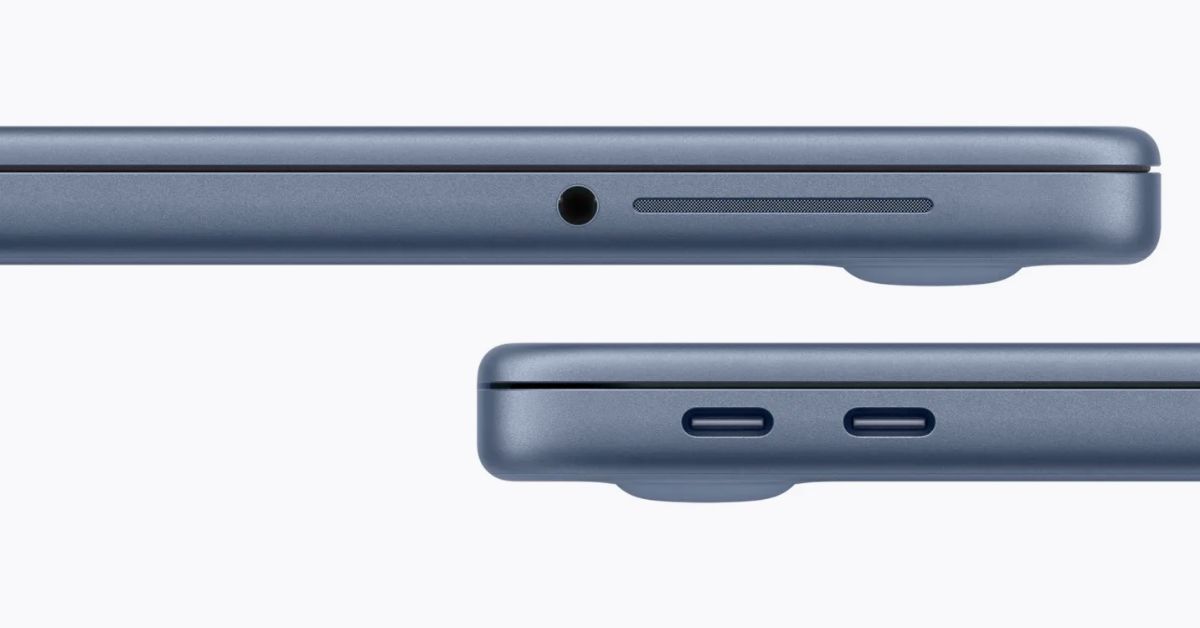
macOS Will Flag the Slower USB-C Port on MacBook Neo
The MacBook Neo includes two USB-C ports with different capabilities. The left port supports faster speeds and external displays, while the right port is limited to USB 2 speeds for charging and basic accessories.
 VikhyatMarch 5, 2026
Apple Launched Studio Display and Studio Display XDR: Full Specs, Features, and Price
Apple launches Studio Display and Studio Display XDR built for creators with Thunderbolt 5, stunning visuals, and pro-level performance. Here’s all the specs, features, and price.
 Ava BiswasMarch 4, 2026
Apple Pre‑Orders Now Live for iPhone 17e, MacBook Neo, M5 Macs and More
Apple has opened global pre-orders for iPhone 17e, MacBook Neo, M5 Macs, and new Studio Displays. Here are the start times, products, and release date.
Ravi Teja KNTSMarch 4, 2026