
Apple Study Shows How AI Could Unlock Deeper Heart Insights On Apple Watch
AI research from Apple shows how simple PPG sensors could reveal deeper heart trends and expand future cardiovascular insights.
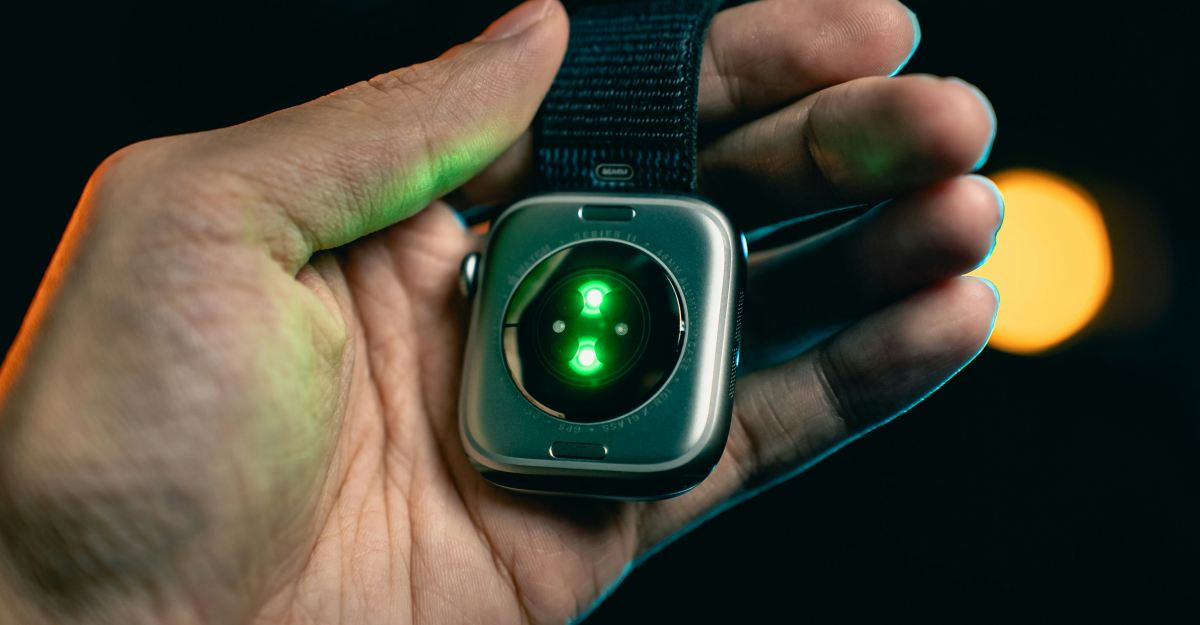
A new study from Apple’s Machine Learning Research team suggests that artificial intelligence may be able to pull deeper heart insights from simple optical sensors. The paper does not mention the Apple Watch directly, but it uses the same photoplethysmography technology found in the device. This work focuses on long term scientific research, not upcoming product features.
Hypertension Notifications Set The Stage For Deeper Heart Analysis
With watchOS 26, Apple introduced Hypertension notifications. The feature uses the optical heart sensor to examine how a user’s blood vessels respond to each heartbeat. It reviews data over a 30 day period and alerts users if it finds consistent signs of hypertension. Apple says the feature does not diagnose the condition, but it could notify more than a million people with undetected hypertension in its first year. This long term, trend based analysis is the foundation for the new research.
The Study Uses AI To Map Simple Finger Sensor Data To Deep Heart Metrics
The paper, titled Hybrid Modeling of Photoplethysmography for Non Invasive Monitoring of Cardiovascular Parameters, explores whether deeper cardiac biomarkers can be estimated from PPG signals.
Researchers used two datasets. One contained simulated arterial pressure waveforms, known as APWs. The other included real world recordings of APW and PPG signals taken at the same time. A generative model was trained to learn the relationship between these two signals so it could generate a plausible APW from a simple PPG input.
A second model studied these generated APWs to estimate cardiac biomarkers such as stroke volume and cardiac output. This model was trained using simulated APWs paired with known cardiovascular values. To improve accuracy, the system generated multiple APWs for each PPG segment, calculated the corresponding biomarker values, and averaged them to produce a final estimate with an uncertainty score.
Also Read: Apple Watch’s New AI Predicts Your Health With 92% Accuracy
Results Show Strong Trend Tracking, Not Exact Medical Numbers
Apple evaluated the system using data from 128 surgical patients, which included real APW and PPG recordings along with labeled cardiovascular markers. The AI was able to track changes in stroke volume and cardiac output over time. Although it could not deliver exact absolute values, it outperformed traditional methods in detecting trends. The researchers say this hybrid modeling method is promising for long term monitoring, even if precise measurements remain challenging. They also note that the approach could be adapted for wearable PPG sensors.
What This Could Mean For Future Wearables
The study does not guarantee any new features for the Apple Watch. It is foundational research aimed at understanding what optical sensors can reveal. Still, the work suggests that sensors already inside Apple’s devices may have far more potential. With the right AI models, basic PPG readings could provide heart insights that currently require more advanced medical equipment.
The full study is available on arXiv.

Written by
Ravi Teja KNTSI’ve been writing about tech for over 5 years, with 1000+ articles published so far. From iPhones and MacBooks to Android phones and AI tools, I’ve always enjoyed turning complicated features into simple, jargon-free guides. Recently, I switched sides and joined the Apple camp. Whether you want to try out new features, catch up on the latest news, or tweak your Apple devices, I’m here to help you get the most out of your tech.
View all posts →More from News
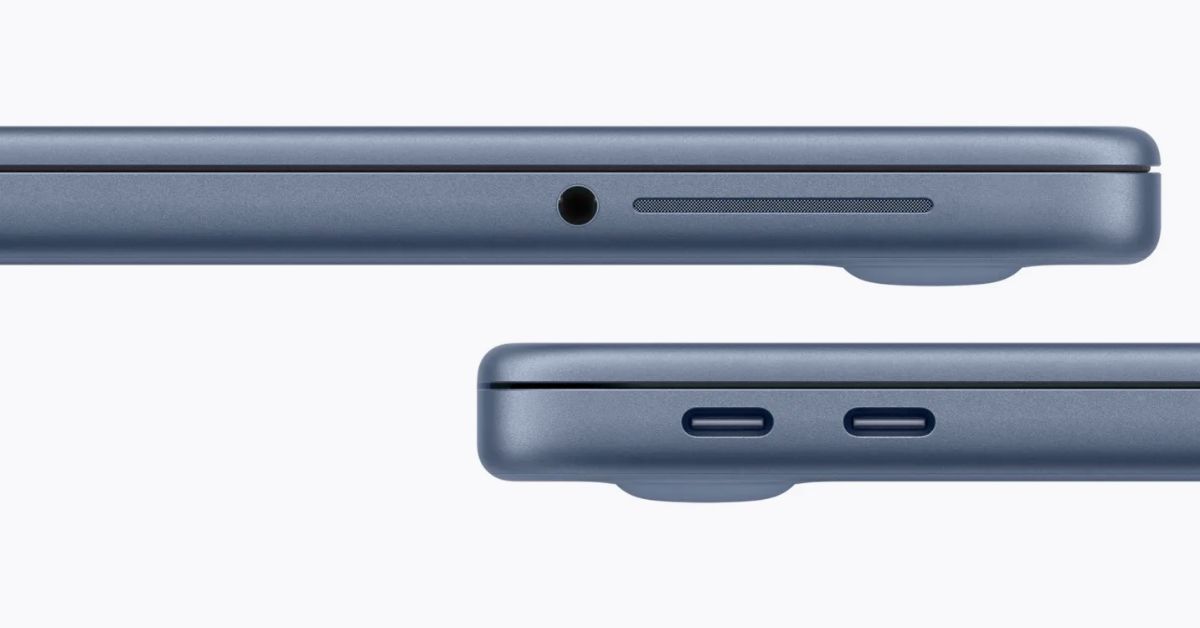
macOS Will Flag the Slower USB-C Port on MacBook Neo
The MacBook Neo includes two USB-C ports with different capabilities. The left port supports faster speeds and external displays, while the right port is limited to USB 2 speeds for charging and basic accessories.
 VikhyatMarch 5, 2026
Apple Launched Studio Display and Studio Display XDR: Full Specs, Features, and Price
Apple launches Studio Display and Studio Display XDR built for creators with Thunderbolt 5, stunning visuals, and pro-level performance. Here’s all the specs, features, and price.
 Ava BiswasMarch 4, 2026
Apple Pre‑Orders Now Live for iPhone 17e, MacBook Neo, M5 Macs and More
Apple has opened global pre-orders for iPhone 17e, MacBook Neo, M5 Macs, and new Studio Displays. Here are the start times, products, and release date.
Ravi Teja KNTSMarch 4, 2026