

Qualcomm says its business with Apple will shrink faster than previously expected as the iPhone maker continues replacing Qualcomm’s 5G modems with its own in-house chips.
CEO Cristiano Amon shared the updated outlook in an interview with Reuters following the company’s third-quarter earnings, signaling that Apple’s modem transition is progressing more quickly than Qualcomm had originally anticipated.
The chipmaker had previously expected Apple-related revenue to fall to around 20% of its former level with the launch of the next iPhone generation. Amon now says the decline will be even steeper because Qualcomm will supply fewer components than originally forecast, with the sharper drop expected to begin during the company’s fourth fiscal quarter.
Apple continues moving away from Qualcomm modems
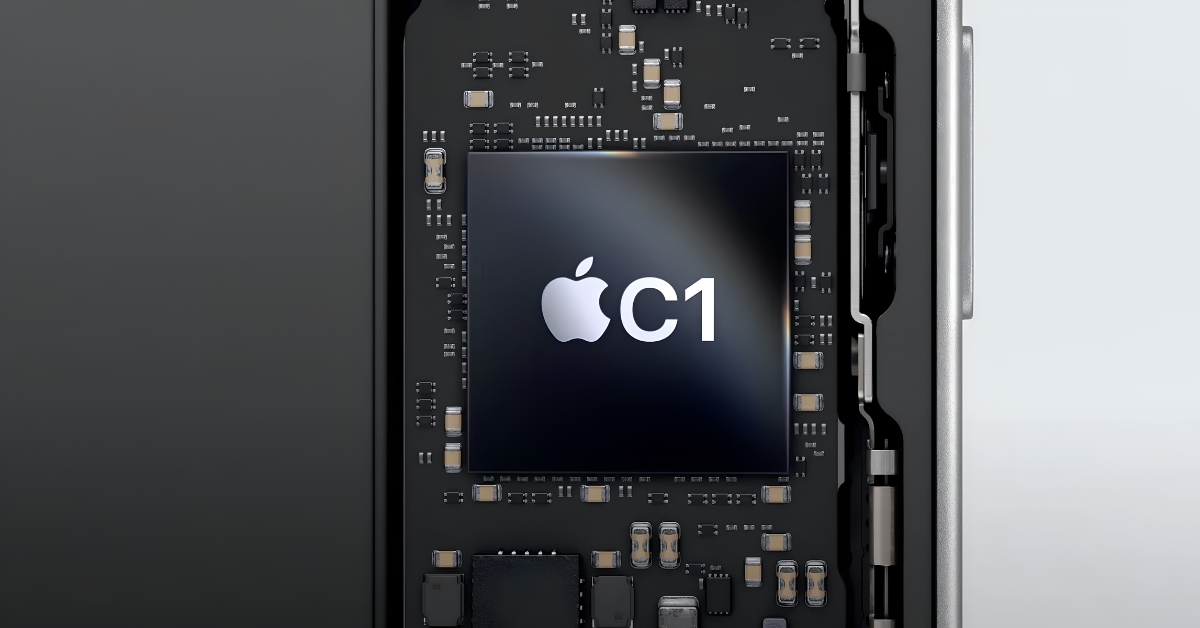
Apple has been steadily replacing Qualcomm’s cellular modems with its own custom-designed chips.
The company’s in-house modem has already debuted in the iPhone 16e, iPhone 17e, and iPhone Air, while multiple reports suggest the transition will continue across the upcoming iPhone 18 lineup.
Apple is also reportedly developing its next-generation C2 modem, which is expected to deliver improved network performance, better power efficiency, and enhanced overall connectivity.
As Apple’s custom modem technology expands to more iPhone models, Qualcomm is expected to supply fewer modem components with each new generation, further reducing one of its long-standing revenue streams.
Qualcomm is looking beyond the iPhone
Alongside the expected decline in Apple-related revenue, Qualcomm also announced that it will increase prices beginning September 1 to help offset rising supply chain costs.
Amon told Reuters that the company is passing those higher costs on to customers as part of its broader strategy to manage increasing manufacturing and supply chain expenses.
Looking ahead, Qualcomm expects its business to become less dependent on smartphones. The company believes continued growth in areas such as data centers, AI infrastructure, and other connected technologies will help offset declining revenue from Apple as the iPhone maker continues expanding its in-house modem strategy.
Apple and Qualcomm’s current patent licensing agreement remains in effect through March 2027. It remains unclear whether Apple will renew the agreement or complete its transition to proprietary modem technology across its entire iPhone lineup before the deal expires.
Do you think Apple will eventually eliminate Qualcomm modems from every iPhone, or will the two companies continue working together beyond 2027? Let us know your thoughts in the comments below.