
OpenAI has introduced ChatGPT for Teens, a version of ChatGPT that under-18 accounts get automatically. It leans on Study Mode for schoolwork, adds new Study Hours and homework reminders, and turns on stricter content protections and parental notifications by default. Anyone who says they are 13 to 17, or who OpenAI’s age-prediction system estimates is under 18, is placed in it without creating a new account.
The rollout started on August 18 for eligible teen accounts on Free and paid personal plans, and OpenAI says availability will expand over the coming weeks. Australia is expected to get full access on September 8.
Study Mode becomes the default for homework
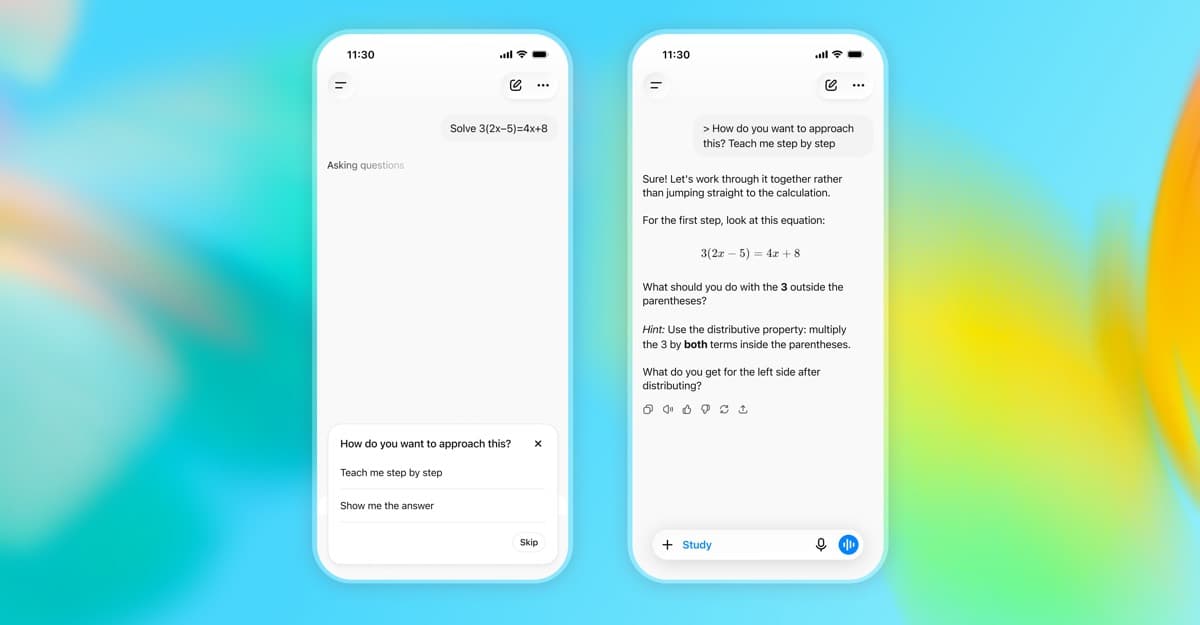
The biggest change is how ChatGPT handles schoolwork. Study Mode, which walks students through a problem with guiding questions and step-by-step hints instead of handing over the answer, is the centerpiece of the teen experience. New responsible homework reminders try to spot when a teen appears to be shortcutting an assignment and steer them into Study Mode.
Two other pieces round it out:
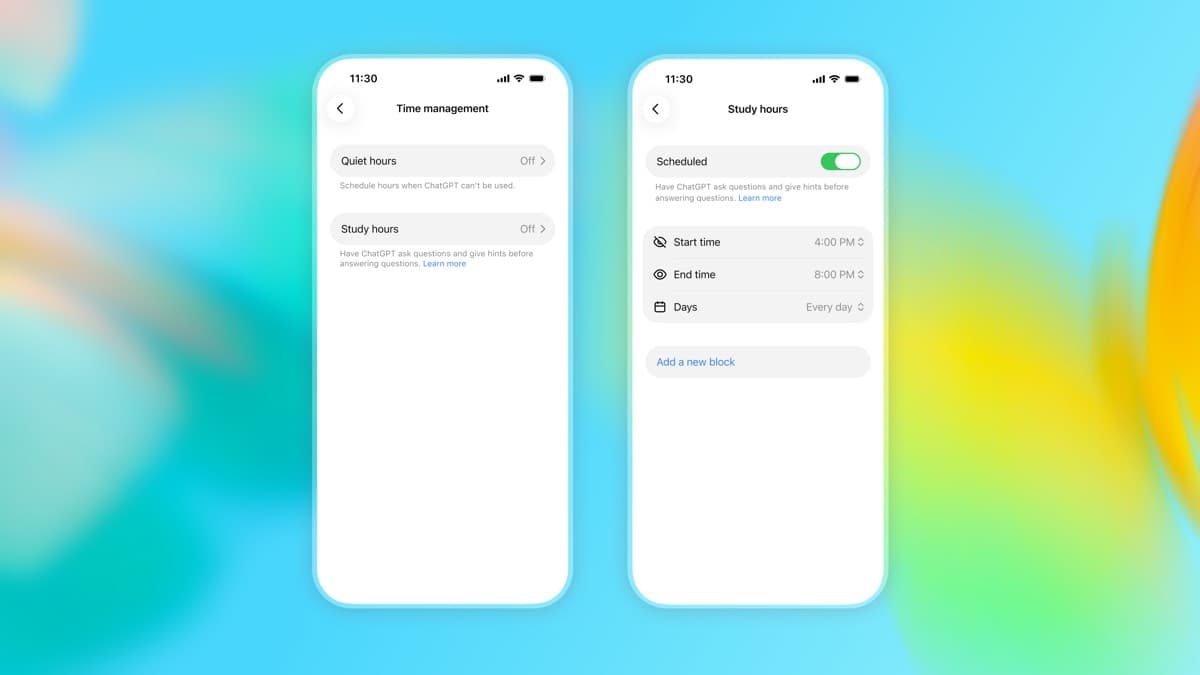
- Study Hours let a teen, or a linked parent, pick times when new chats start in Study Mode by default. It does not block ChatGPT; it just changes how ChatGPT answers during those hours.
- Quizzes and Learning Visualizations give teens ways to test themselves and see tricky math or science concepts drawn out.
Teens also get onboarding that walks through these tools, learning-focused starter prompts, and simple customization like accent colors and voice options.
Stronger protections and more parent alerts
ChatGPT for Teens applies OpenAI’s under-18 model rules by default, with extra protections in higher-risk areas such as self-harm, violence, eating disorders, dangerous activities, and explicit or graphic content. The model is also told not to use romantic language, encourage emotional dependence, or suggest it has feelings or consciousness. That goes beyond blocking romantic roleplay, which OpenAI restricted for teens earlier.
The break reminders ChatGPT added last year show up more often for teens during long sessions, and ChatGPT will nudge teens to check a photo for private details before uploading it, even something as ordinary as a photo of handwritten notes.
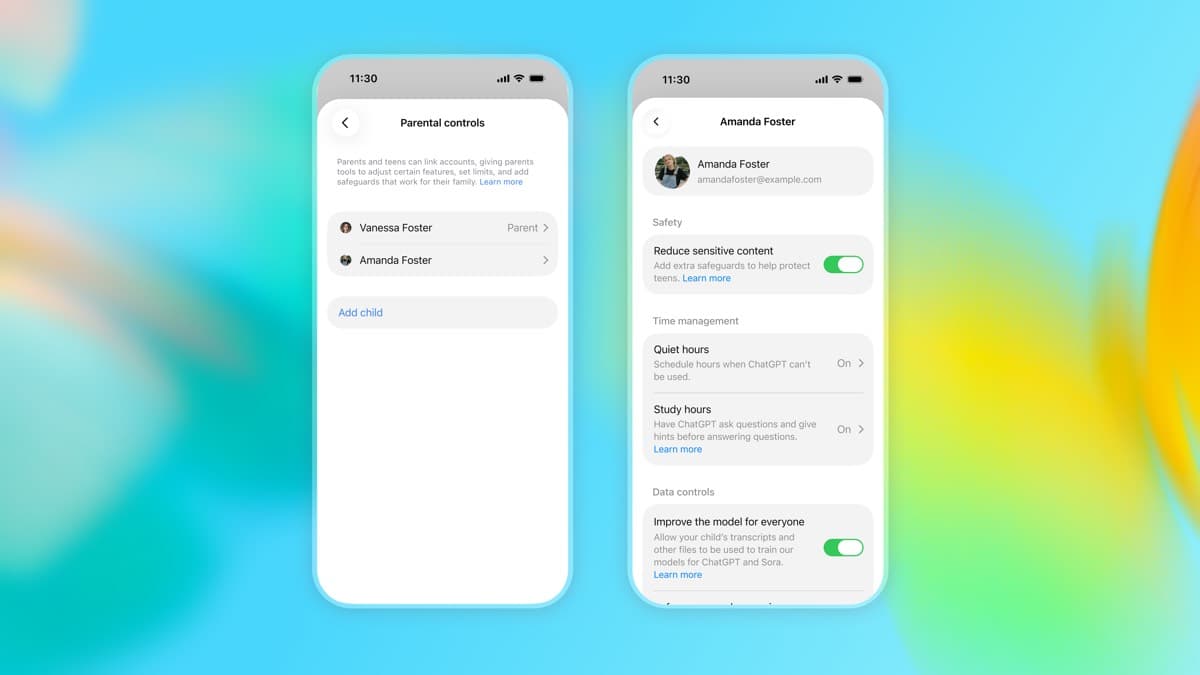
Parents with linked accounts keep the tools that came with ChatGPT’s parental controls last September: Quiet Hours that limit access at set times, control over selected settings, and safety notifications in limited high-risk situations. OpenAI is now adding notifications related to eating disorders on top of the existing alerts for signs of acute distress. Parents still cannot read a teen’s conversations, and OpenAI says it shares only what is needed to help in a safety situation.
The move follows Meta AI’s parent alerts for self-harm conversations, so parent notifications are becoming the norm across the big AI assistants rather than an OpenAI-only feature.
What happens if you land in it by mistake
Because placement relies partly on age prediction, some adults will end up in ChatGPT for Teens. OpenAI’s fix is the same as before: verify your age with OpenAI to have the teen protections removed. Going the other way, when ChatGPT decides an account holder has turned 18, the account may move out of the teen experience, which can also end a linked parental-controls connection.
OpenAI is also starting to publish under-18 evaluations in its system cards, showing how its models handle teen-specific tests around self-harm, eating disorders, violence, age-restricted goods, and sexual content. That is a small step toward outside scrutiny of claims that have so far been hard to check.
The company still faces lawsuits from families who say ChatGPT contributed to harm to their children, and critics such as Common Sense Media maintain that social AI companions are not safe for kids at all. ChatGPT for Teens is OpenAI’s answer to that pressure: keep teens on the platform, but change what the platform does for them.