
iPhone 17e Expected to Get Slimmer Bezels While Keeping Older OLED Panel
Slimmer bezels and the same 6.1-inch OLED panel show how Apple plans a cost-focused refresh for the upcoming iPhone 17e.
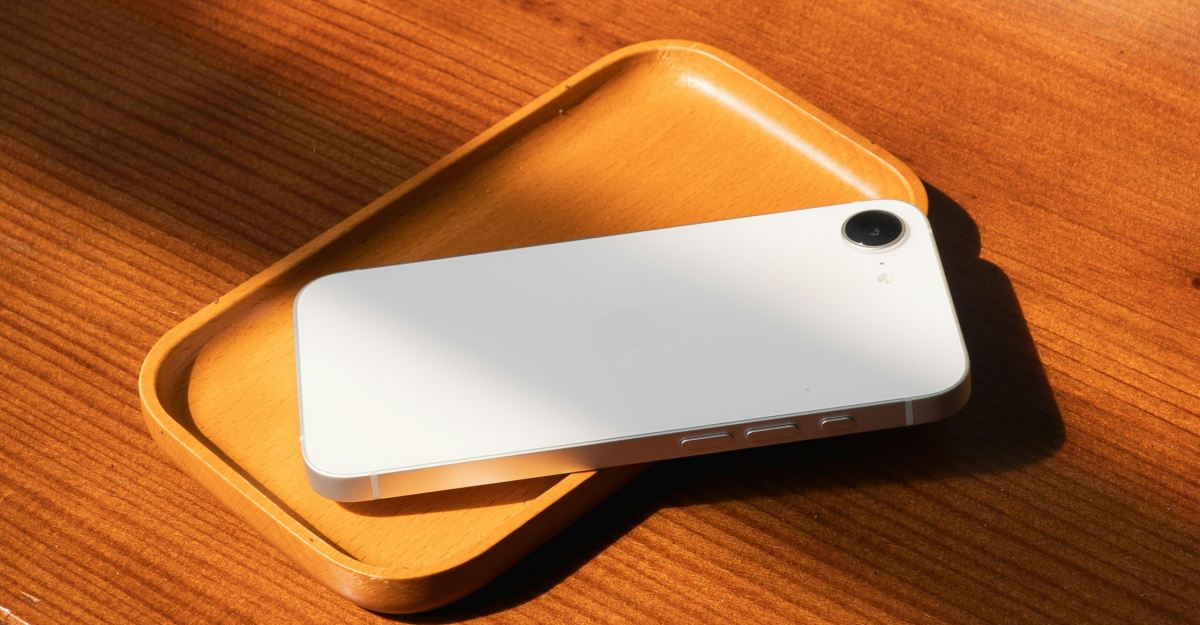
Apple’s next budget iPhone, the iPhone 17e, is expected to feature slimmer display bezels while using the same OLED panel found in the iPhone 16e and based on the iPhone 14 screen. This information comes from The Elec, which cites supply chain sources familiar with Apple’s plans.
The report gives a clear look at how Apple plans to update the design without increasing costs, and why some rumored features like Dynamic Island may not arrive this year.
Slimmer Bezels With the Same Display Panel
The Elec reports that BOE will again supply most OLED panels for the iPhone 17e, with Samsung Display and LG Display providing the rest. Apple is expected to stick to the same 6.1 inch OLED panel with a 60 Hz refresh rate.
The panel itself will not change, but Apple can reduce the bezel size by tightening how the screen fits inside the frame. Bezel thickness is controlled more by the chassis engineering than the panel technology. So Apple can refresh the design with thinner borders while still using a mass produced older display to keep pricing low.
This approach is consistent with Apple’s “e” strategy which focuses on cost control. Users get a visual upgrade without Apple redesigning major components.
Dynamic Island Upgrade Looks Unlikely
There have been earlier rumors, including one from the Weibo leaker Digital Chat Station, claiming the iPhone 17e would gain the Dynamic Island and Apple’s A19 chip. But The Elec does not support that claim.
Adding Dynamic Island is not a small change. Apple would need to redesign the TrueDepth camera layout, change sensor placement, and update display masking. The current notch design from iPhone 13 and iPhone 14 won’t support a pill shaped cutout without major component changes.
Reworking the sensor system also breaks Apple’s plan to reuse existing production parts. New tooling would increase costs and go against the “affordable” positioning of the iPhone e lineup. Keeping the notch also helps Apple separate the budget model from the more expensive iPhone 17 and iPhone 17 Pro.
Same 6.1 Inch LTPS OLED at 60 Hz
The display specs of the iPhone 17e are expected to stay the same as the 16e:
• 6.1 inch OLED
• 60 Hz refresh rate
• LTPS panel (not LTPO)
BOE has not yet been able to mass produce LTPO panels for iPhone 17 models. LTPO allows a variable refresh rate and features like Always On Display. The LTPS panel used in 16e and now 17e can only run at a fixed refresh rate.
Many Android phones in the same price range already offer 90 Hz or 120 Hz screens. But Apple seems focused on reusing proven hardware instead of pushing display upgrades in the second generation of the e model.
Production Timeline Remains on Schedule
The report aligns with other reliable Apple sources including Ming Chi Kuo and Bloomberg’s Mark Gurman. All agree that the iPhone 17e is on track for an early 2026 launch window.
BOE is expected to lead panel production again, giving Apple a stable supply chain with controlled costs. Using the same display design also reduces manufacturing risks since Apple already has working tooling and production lines from the iPhone 16e.
A slimmer bezel will make the phone look like a fresh design without Apple spending heavily on new display tech. That is the kind of careful upgrade the “e” model is built for.

Written by
Ravi Teja KNTSI’ve been writing about tech for over 5 years, with 1000+ articles published so far. From iPhones and MacBooks to Android phones and AI tools, I’ve always enjoyed turning complicated features into simple, jargon-free guides. Recently, I switched sides and joined the Apple camp. Whether you want to try out new features, catch up on the latest news, or tweak your Apple devices, I’m here to help you get the most out of your tech.
View all posts →