
Apple has removed Jack Dorsey’s Bitchat messaging app from the India App Store after a government demand, according to an Apple notice the developer shared on October 3. The notice says India’s Ministry of Electronics and Information Technology (MeitY) requested the removal under Section 69A of the Information Technology Act, claiming the app includes content that is illegal in India. The government’s order and the alleged content were not public in the reports reviewed.
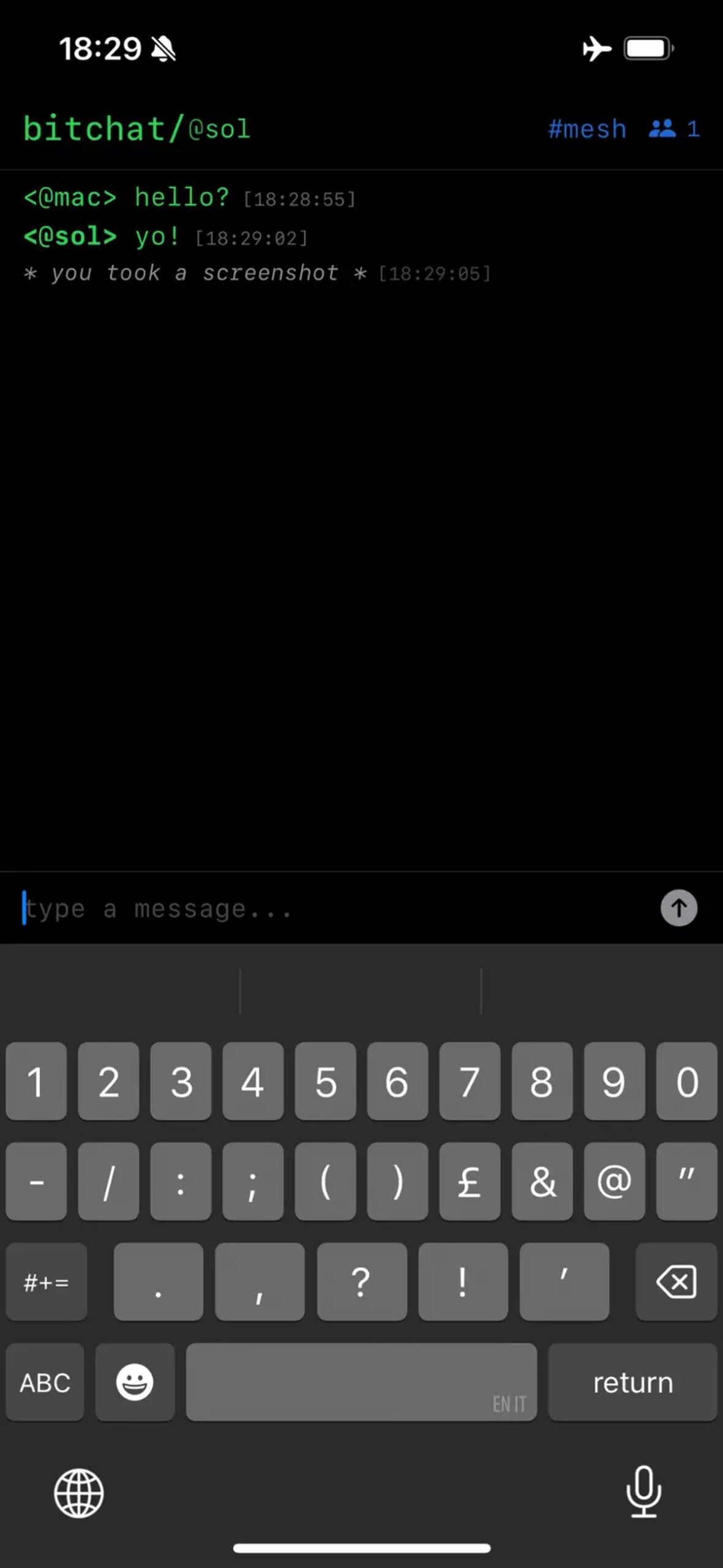
Apple’s notice also says Bitchat will remain available in other App Store territories, while its TestFlight version will no longer be available for testing in India. That cuts off new iPhone downloads and the beta channel. It does not say Apple has deleted copies already installed on users’ phones.
What Indian users can still access
Bitchat’s project describes two ways to send messages: a Bluetooth mesh for nearby offline communication and Nostr relays for internet-based messaging. Removing the App Store listing does not by itself switch off the Bluetooth mode on an existing phone, though it depends on other nearby devices running Bitchat. The status of internet-based features may depend on access to the relays and networks.
The app was also missing from Google Play in India when TechCrunch checked on October 3. That report said it was unclear whether Google had received a separate government direction. Apple, Google, and MeitY had not responded to the publication’s requests for comment at that time, so the confirmed demand in the notice is the one Apple acted on.
If you want a quick explanation of how the app’s offline mode works, see our earlier guide to Jack Dorsey’s Bitchat messaging app.
This follows an earlier attempt to restrict Bitchat
Indian authorities sought to have GitHub remove repositories associated with Bitchat in July. That action used a different legal provision from the Section 69A demand in Apple’s October notice. The earlier dispute centered on the app’s ability to keep nearby users connected during internet shutdowns and the difficulty of tracing its communications, according to the government’s stated rationale as reported at the time.
The timing matters because Bitchat drew attention during shutdowns. TechCrunch reported that demonstrators had turned to Bitchat and Briar during July protests after internet services were suspended. Sensor Tower data cited in the report showed India accounted for about 85% of Bitchat’s worldwide downloads from July 17 to 23, compared with roughly 1% in the previous 30 days.
The Internet Freedom Foundation said the latest removal was unconstitutional, arguing that Section 69A is intended to block unlawful information rather than an app because it can work during shutdowns. That is the group’s legal position, not a court ruling. It also said the government had not made the blocking order or the alleged illegal content public.
For now, the practical change for iPhone users in India is that they cannot get Bitchat through the local App Store or its TestFlight beta. Apple’s notice does not describe an effect on existing installations, and the app’s Bluetooth mesh is designed to work without internet access. The wider questions about the government’s order and the app’s Google Play status remain unanswered.