


Accidentally deleting call history is more common than people admit. You open the Phone app to find a number or confirm a call, and it is no longer there. This can be stressful, especially when the call was important. The good news is that deleted call history on an iPhone is not always permanently gone. In many cases, it can still be recovered if you know where to look and act in time.
This article explains all the practical ways to recover deleted call history on an iPhone.
Can You Really Recover Deleted Call History on iPhone?
Yes, in many situations, recovery is possible. When you delete a call log, the iPhone does not remove it instantly. The data stays hidden until new data overwrites it. Recovery mainly depends on how recently the call was deleted and whether a backup or external record exists.
Apple supports recovery through backups, mobile carriers store call records independently, and recovery tools may scan the device before data is overwritten. Each option works differently, so choosing the right one matters.
Method 1: Recover Deleted Call History Using iCloud Backup
If iCloud backup is enabled on your iPhone, this is the most reliable and Apple-supported method. iCloud automatically backs up call history along with other phone data.
This method helps when you have enabled iCloud backup and you are sure the backup was created before the call history was removed. However, restoring an iCloud backup replaces all current data on your iPhone, and you cannot restore only call history.
- Open the Settings app and go to General.
- Tap Transfer or Reset iPhone, then select Erase All Content and Settings.
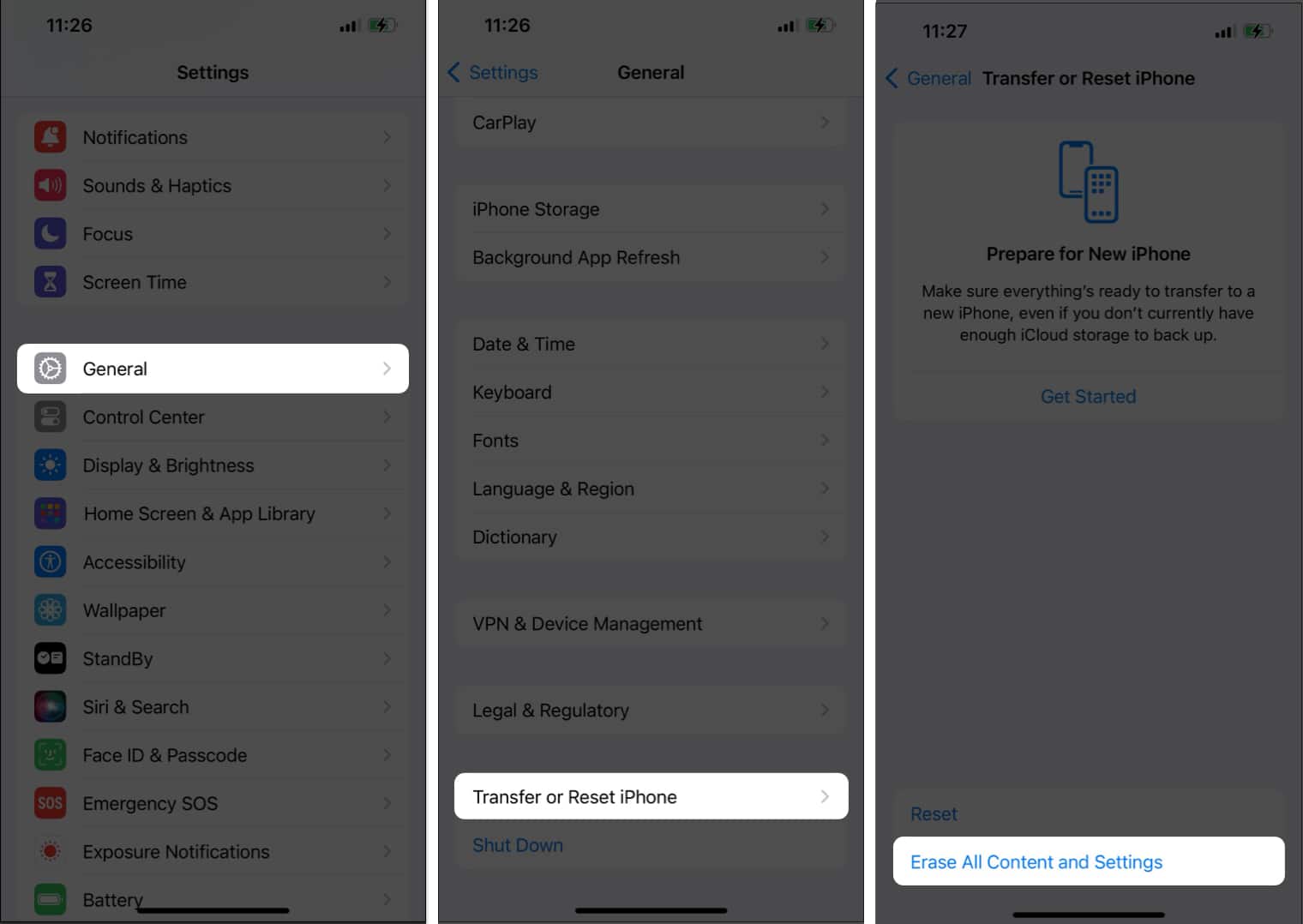
- Tap Continue and enter your iPhone passcode.
- When asked to back up, tap Skip Backup.
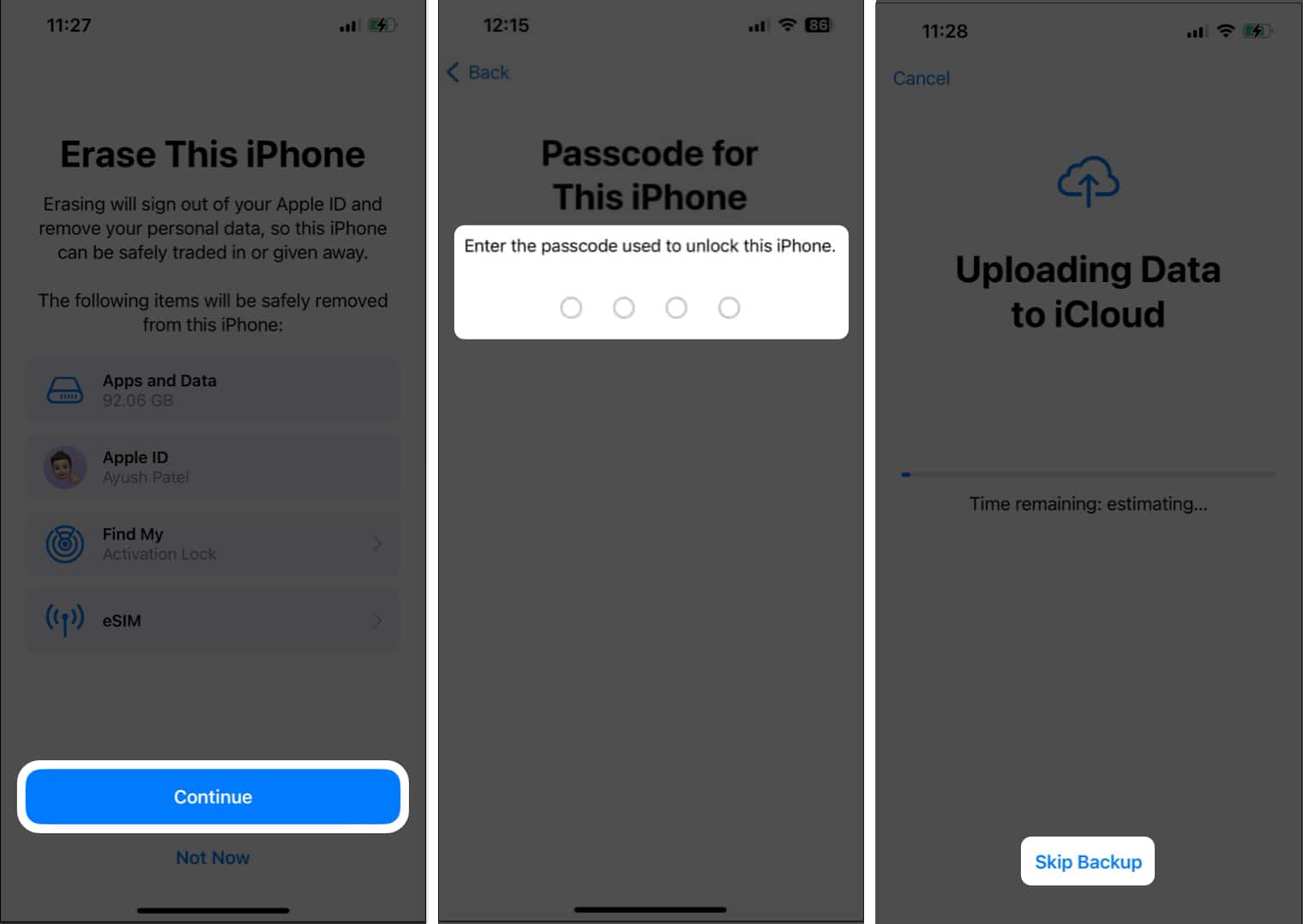
- Now we need to set up the iPhone from scratch
- Follow the setup process until you reach the Apps & Data screen.
- Select Restore from iCloud Backup.
- Sign in with your Apple ID.
- Choose a backup created before the call history was deleted.
After the restore completes, open the Phone app and check the Recents tab. If the backup contains your deleted calls, they should now be visible.
Method 2: Recover Call History Using Finder or iTunes Backup
If you previously backed up your iPhone to a computer, you can restore that backup to recover deleted call logs. Finder is used on macOS Catalina and later, while iTunes is used on older Macs and Windows PCs. This method restores the entire backup and overwrites current data similar to the previous process.
- Connect your iPhone to your computer using a cable.
- Unlock your iPhone and tap Trust if prompted.
- Open Finder or iTunes.
- Select your iPhone from the sidebar or device list.
- Click Restore Backup.
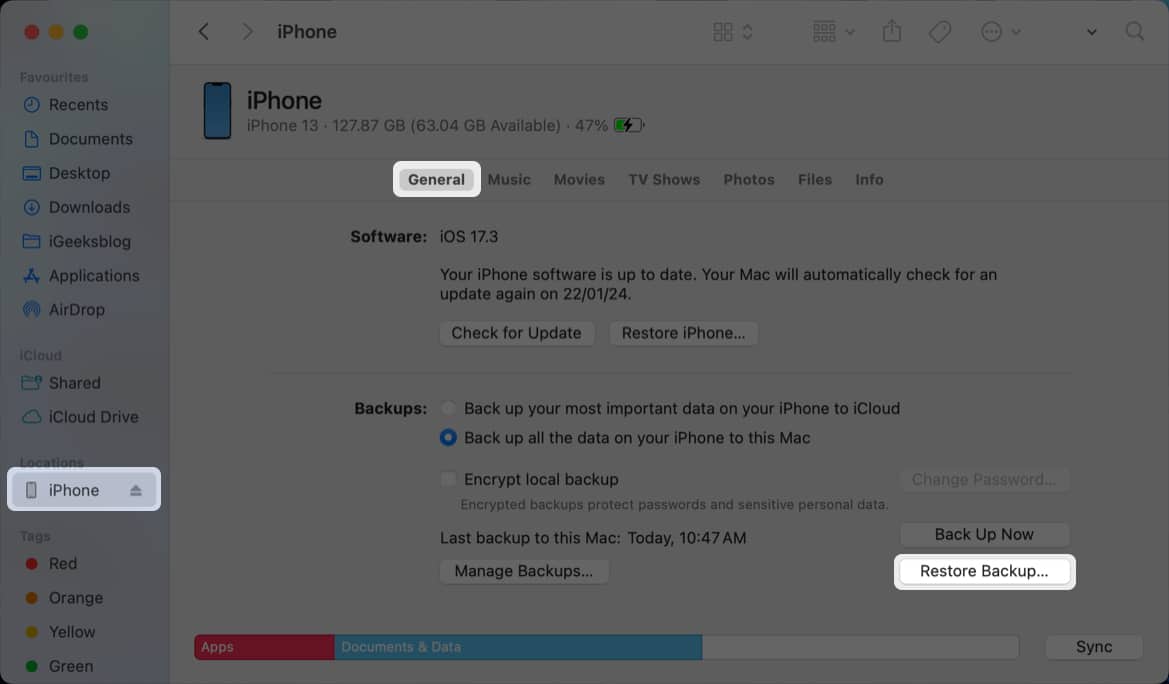
- Choose a backup created before the call history was deleted.
- Click Erase and Restore to confirm your decision and start the process.
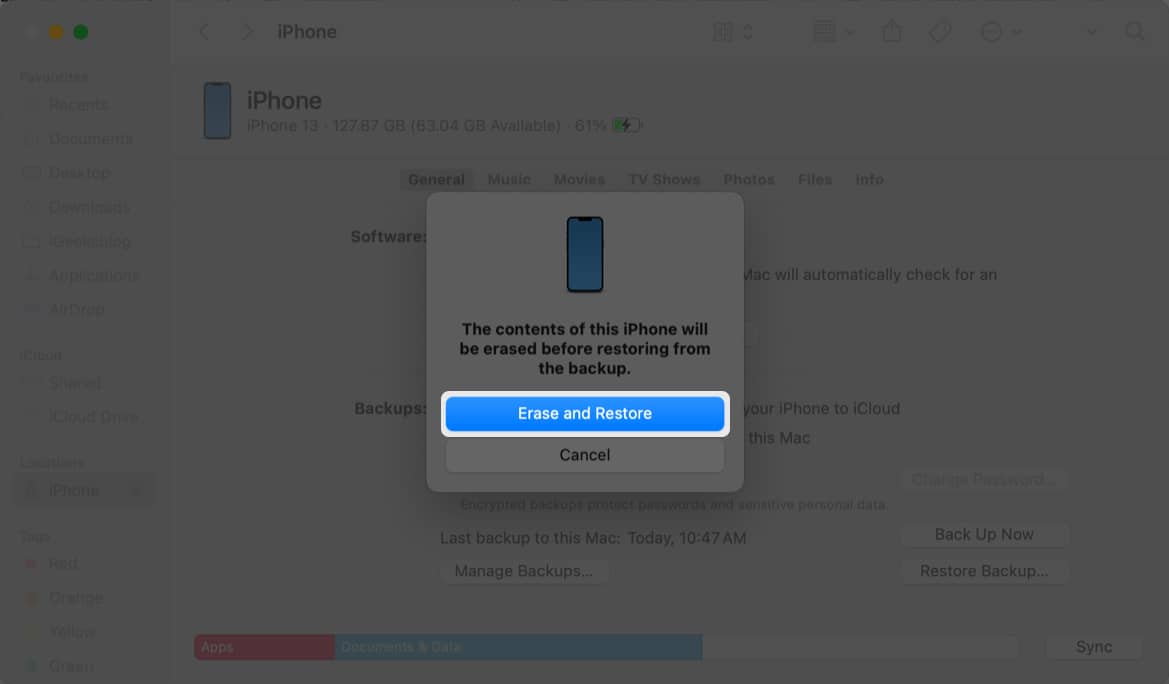
Once completed, open the Phone app and check your call history. If the selected backup included the missing call logs, they should now be restored. This option is useful if you regularly back up your iPhone to a computer. Remember, data created after the backup will be lost, similar to the previous process.
Also check out: How to Restore iPhone from Backup for a more detailed guide.
Method 3: Recover Deleted Call History Without Backup Using Recovery Tools
If you do not have an iCloud or computer backup, recovery becomes more time-sensitive. Deleted call logs may still exist inside the iPhone database until new data overwrites them. Some recovery tools scan the iPhone directly and attempt to locate deleted call records, sometimes allowing selective recovery without resetting the device.
Use caution with these tools. They require deep access to your device, and not all of them respect user privacy. Choose reputable software only. This approach works best when the deletion happened recently and the phone has not been heavily used since.
These tools are usually run from a Windows PC or Mac and work by scanning for fragments of deleted data, giving you a chance to preview and recover specific items.
Here are some tools that many users try:
- PhoneRescue for iOS – A popular recovery tool that scans both the device and backups. It lets you preview deleted data and recover just the call logs you need.
- iMyFone D-Back – Known for its ability to preview call history before recovery and retrieve deleted logs without affecting current data.
- Syncios Data Recovery – Another tool that lets you scan your iPhone directly for lost call logs and other deleted data.
Method 4: Request a Copy of Your Data From Apple
Apple allows users to request a copy of personal data associated with their Apple ID, which may include call history. This method does not erase your device, but it can take several days.
- Visit Apple’s Data and Privacy page in a browser.
- Sign in with your Apple ID and complete two-factor authentication.
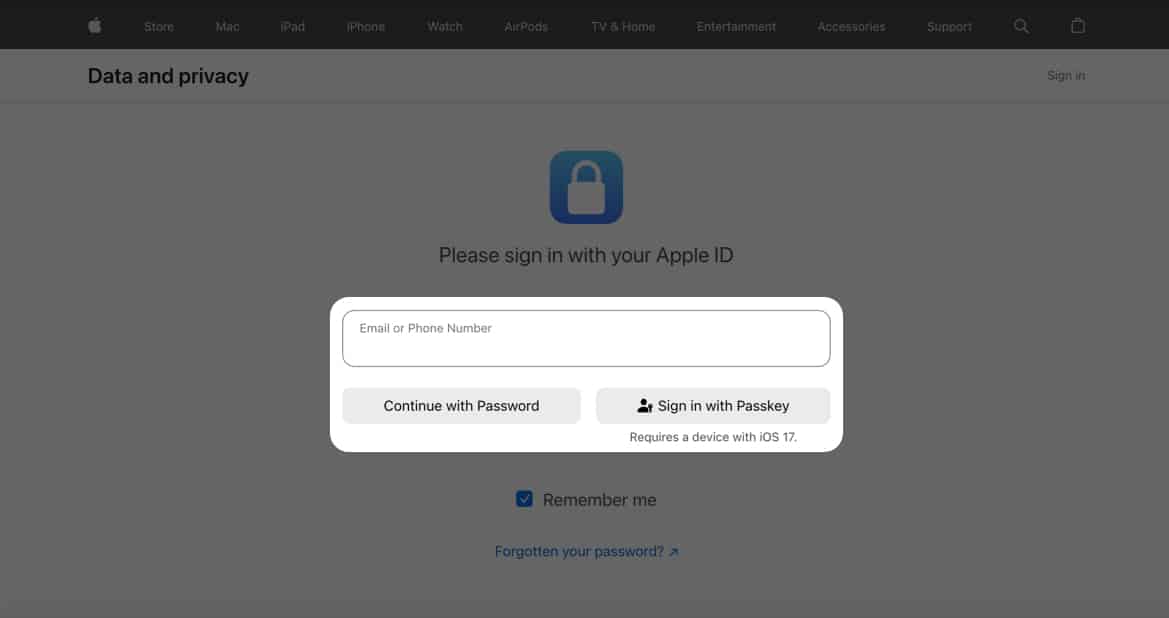
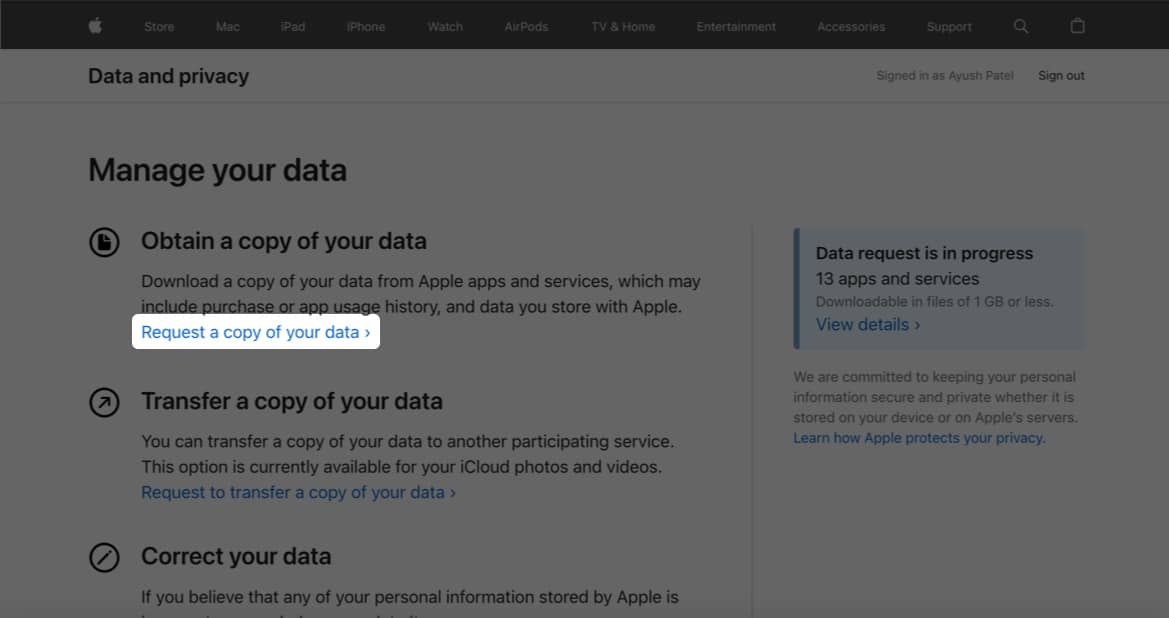
- Select Request a copy of your data.
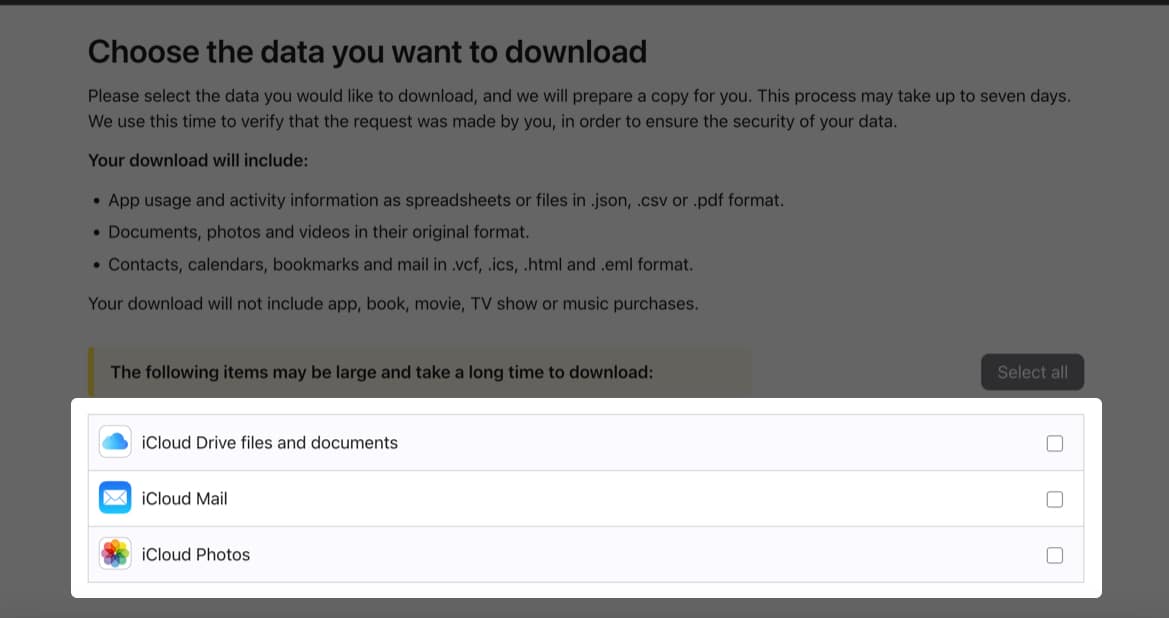
- Choose the data categories you want to download.
- Select a file size and submit the request.
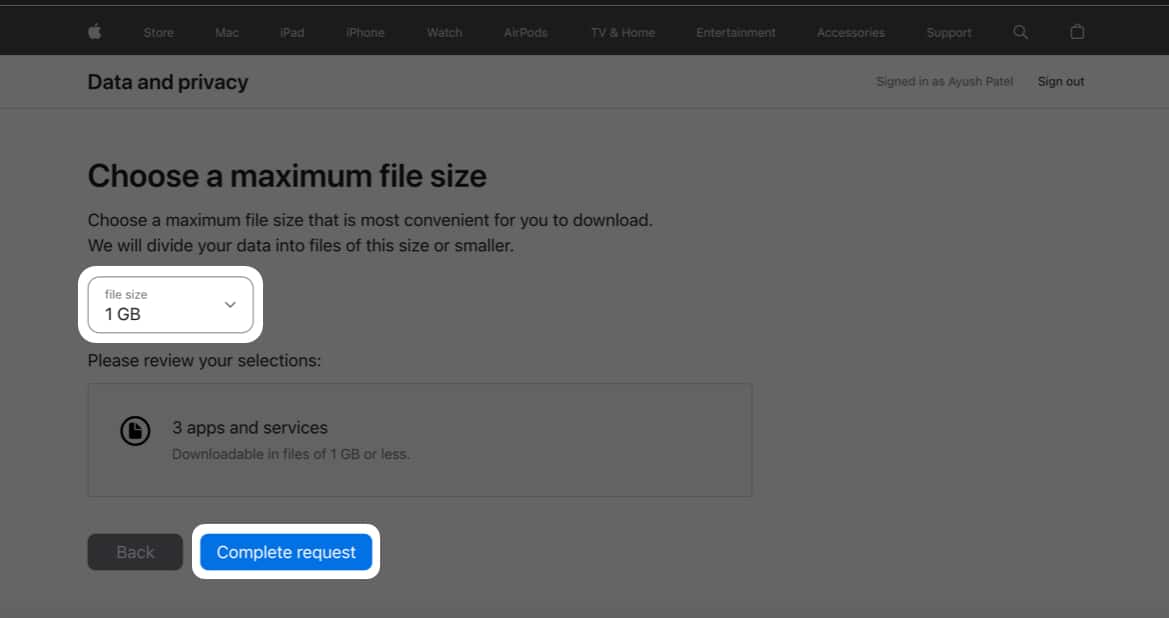
Apple will notify you by email when the data is ready. Once downloaded, you can review the file to check whether your call history is included. This method is slower, but it is safe and officially supported by Apple.
Method 5: Check Call History From Your Mobile Carrier
Mobile carriers store call records for billing and account purposes, often for several months. You can check these by logging into your carrier’s website or app, where call dates, numbers, and durations may be listed.
If the information is not visible, you can contact carrier support and request it directly. Carrier records cannot restore call history to your iPhone, but they can help recover important details. This option is especially helpful when you only need call dates, numbers, or durations.
Comparison: Which Recovery Method Is Right for You?
At this point, you may be wondering which method makes the most sense for your situation. The right choice depends on whether you have a backup, how quickly you need the information, and whether you are comfortable resetting your iPhone. The table below gives a quick comparison to help you decide.
| Method | Requires Backup | Erases Current Data | Best For |
|---|---|---|---|
| iCloud Backup | Yes | Yes | Users who regularly use iCloud and do not mind resetting their iPhone |
| Finder or iTunes Backup | Yes | Yes | Users with computer backups who want an official Apple method |
| Recovery Tools | No | No | Recent deletions without backups and users who want selective recovery |
| Apple Data Request | No | No | Users who want an official option and can wait several days |
| Carrier Records | No | No | Users who only need call details like numbers and dates |
Important Things to Know Before Recovering Call History
Before you start trying to recover deleted call history, it helps to understand a few practical limitations and realities. These points set clear expectations and can save you time, effort, and unnecessary data loss.
- Recovery depends on how recently the call history was deleted.
- Restoring from backups replaces current data.
- Deleted calls become unrecoverable once overwritten.
- Recovery tools may help but require privacy awareness.
- Carriers often store call records longer than iPhones.
Final Thoughts
Deleting call history by mistake can feel frustrating, especially when the call matters. In most cases, there is still a way to retrieve the information. Whether you use an iCloud backup, a computer backup, Apple’s data request option, or your carrier’s records, each method offers a possible solution. Choose the option that best fits your situation and act as soon as possible. With the right approach, lost call history does not always stay lost.